
Last updated September 24, 2026
How to Hire a Insulation Contractor in Milpitas: A Step-by-Step Guide
Ask any contractor bidding your attic: “What is my current ACH50 and what will it be after the job?” If they don’t know what ACH50 means - air changes per hour at 50 pascals, the blower-door benchmark that measures how much conditioned air your home leaks - you already have your answer. In Milpitas, where summer highs hit the 90s and winter nights dip into the 40s, a contractor who quotes by square footage alone is selling you material, not performance. This guide gives you the technical screening questions, contract red flags, and unit-cost framework to separate diagnostic contractors from material-pushers, and you can explore more guides & resources on our blog.
Quick Answer
To hire an insulation contractor in Milpitas, verify their C-2 license and insurance on the CSLB database, demand a written scope that includes pre-job blower-door numbers and post-job verification, and compare bids using cost per R-value per square foot rather than lump-sum pricing. A legitimate contractor will inspect before quoting, specify air sealing locations by name, and document results with photos and pressure-test readings.
Table of Contents
- The Five Questions That Separate Diagnosticians From Installers
- What a Written Scope of Work Must Include
- California License and Insurance Requirements
- How to Compare Bids Using Unit-Cost Analysis
- Contract Red Flags in Milpitas
- How Milpitas Climate Affects Your Insulation Strategy
- Common Mistakes to Avoid
- When to Call a Professional
- Frequently Asked Questions
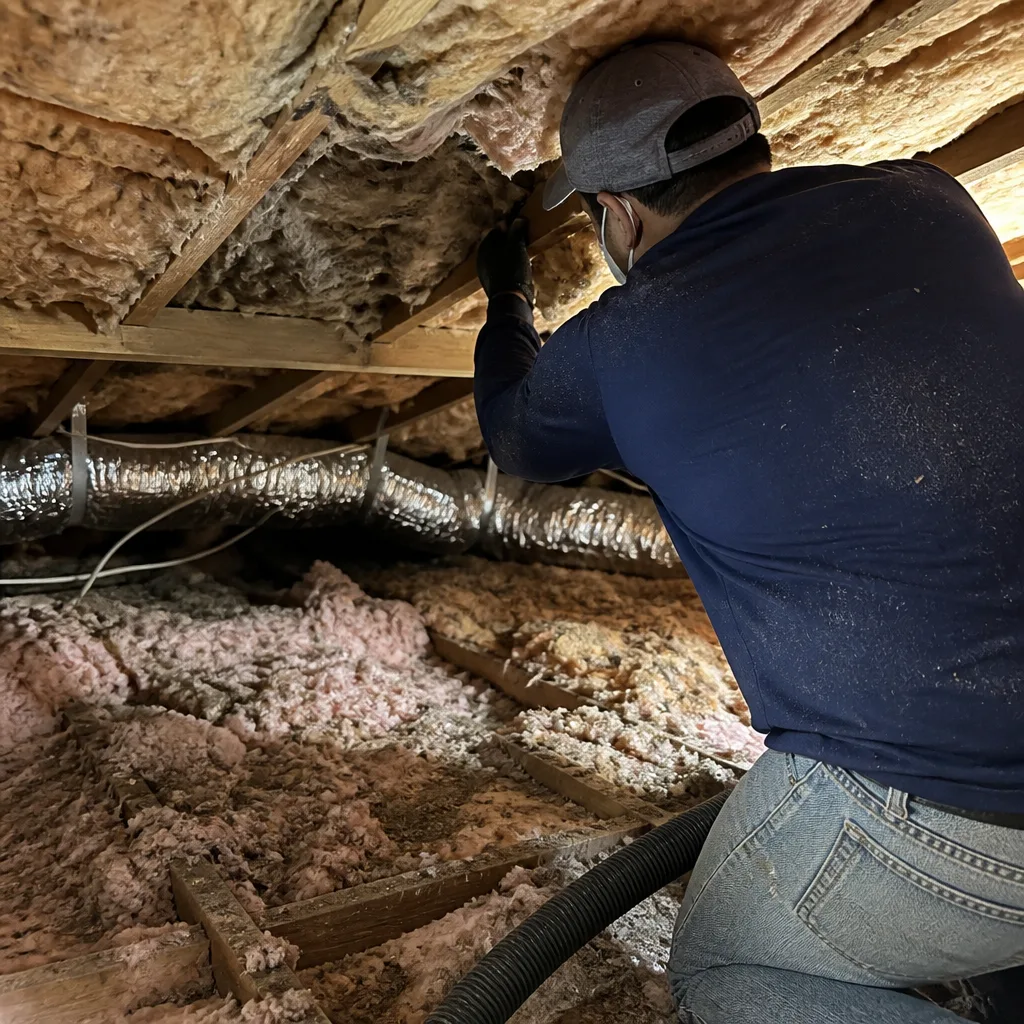 Before
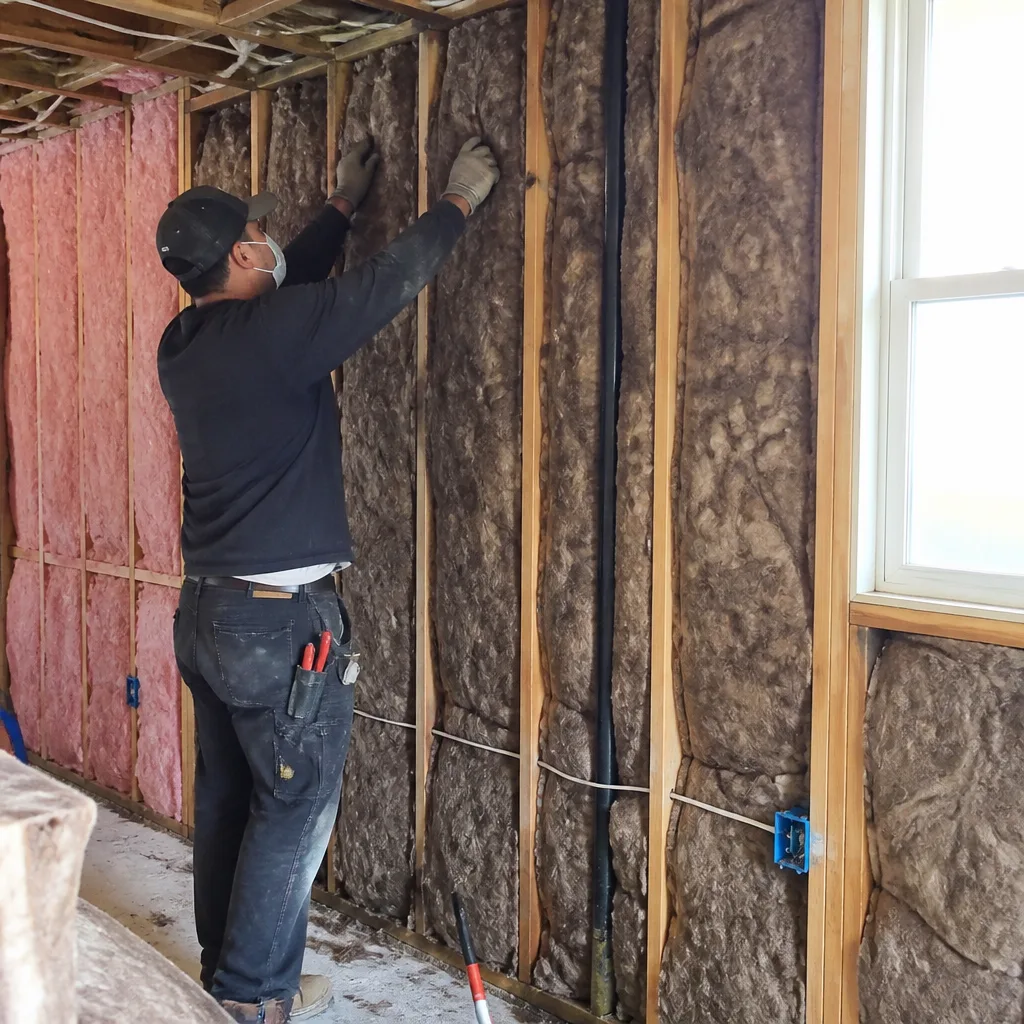 After
AfterThe Five Questions That Separate Diagnosticians From Installers
We’ve sealed and insulated over 9,000 homes since 2016. The proposals that hold up are the ones built on measured data, not assumptions. Here are the five questions to ask every contractor who walks through your door in Milpitas, with the answers that signal competence.
1. “What is my current ACH50, and what do you project it will be after the job?”
ACH50 - air changes per hour at 50 pascals of pressure - is the blower-door test result. A contractor who doesn’t take this reading before work begins is guessing at your home’s leakage rate. In our experience across Milpitas, pre-1970s homes in the Manor neighborhood often test at 8-12 ACH50, while 1980s-1990s tract homes in the Midtown area typically land at 5-8 ACH50. A competent contractor will give you a target, not just a material spec. Under Haven Standard: Arrive on schedule, you get a named technician and a text when they are on the way.
2. “Where exactly will you air seal before insulating?”
Insulation over unsealed leaks is a waste. The answer should name specific locations: top plates where interior walls meet the attic floor, can-light penetrations, plumbing and electrical chases, the attic hatch perimeter, and duct boots. If a contractor says “we’ll seal the big stuff” or treats air sealing as an add-on, they’re installing over leaks. Topside Attic Insulation Milpitas home - we seal first, then insulate, in that order.
3. “What R-value are you proposing, and how did you determine it’s appropriate for my home?”
California Title 24 requires R-38 minimum in attics for new construction and major renovations in Milpitas’s climate zone. But existing homes have different constraints - joist height, hatch access, roof pitch. A diagnostician will explain why R-38 blown cellulose fits your 2×6 joist bays but R-49 batts don’t, or why spray foam at R-21 open-cell makes sense for your conditioned attic conversion. A material-pusher will quote R-38 because it’s the code minimum and move on.
4. “What manufacturer and product line are you specifying, and can I see the spec sheet?”
Generic “fiberglass” or “cellulose” isn’t an answer. We source materials from Owens Corning, Johns Manville, Knauf, and Rockwool, among others, and we reference manufacturer spec sheets in every written scope. The spec sheet tells you density, settled R-value, fire rating, and moisture absorption - the variables that determine whether the product performs as advertised in your specific assembly.
5. “What documentation do I receive when the crew leaves?”
The answer should include: photos of work areas before and after, a blower-door test report if air sealing was performed, and a written completion statement with warranty terms. At Envelope Insulation Co., every job closes with a Documented Photo Record; on applicable jobs, before-and-after blower-door readings are provided so the homeowner can verify the air-sealing result. If a contractor shrugs and says “you’ll know it works when your bill drops,” that’s not documentation, that’s hope.
What a Written Scope of Work Must Include
A written price before any work starts is Haven Standard Clause 1. But the price is only as good as the scope it references. Here’s what must appear in writing before anyone lifts a tool.
Pre-Job Conditions Documented
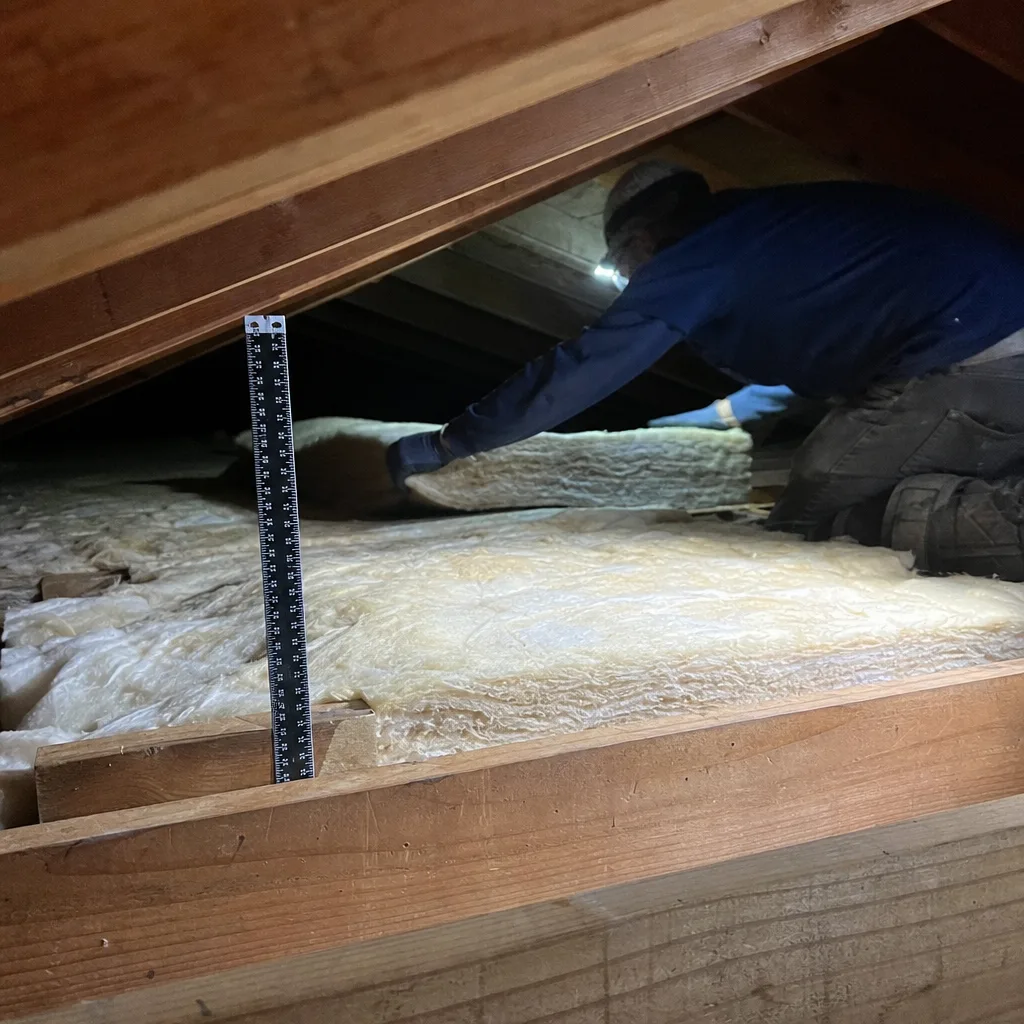
The scope should describe what exists now: current insulation type and depth, visible air leaks, moisture stains or mold, rodent evidence, and access limitations. In Milpitas, we regularly find original R-11 batts compressed to R-8 in 1960s ranch homes near the Great Mall, and blown-in cellulose settled to 4-5 inches in 1980s developments. A scope that doesn’t document starting conditions can’t prove improvement.
Materials With Manufacturer Spec Sheets Referenced
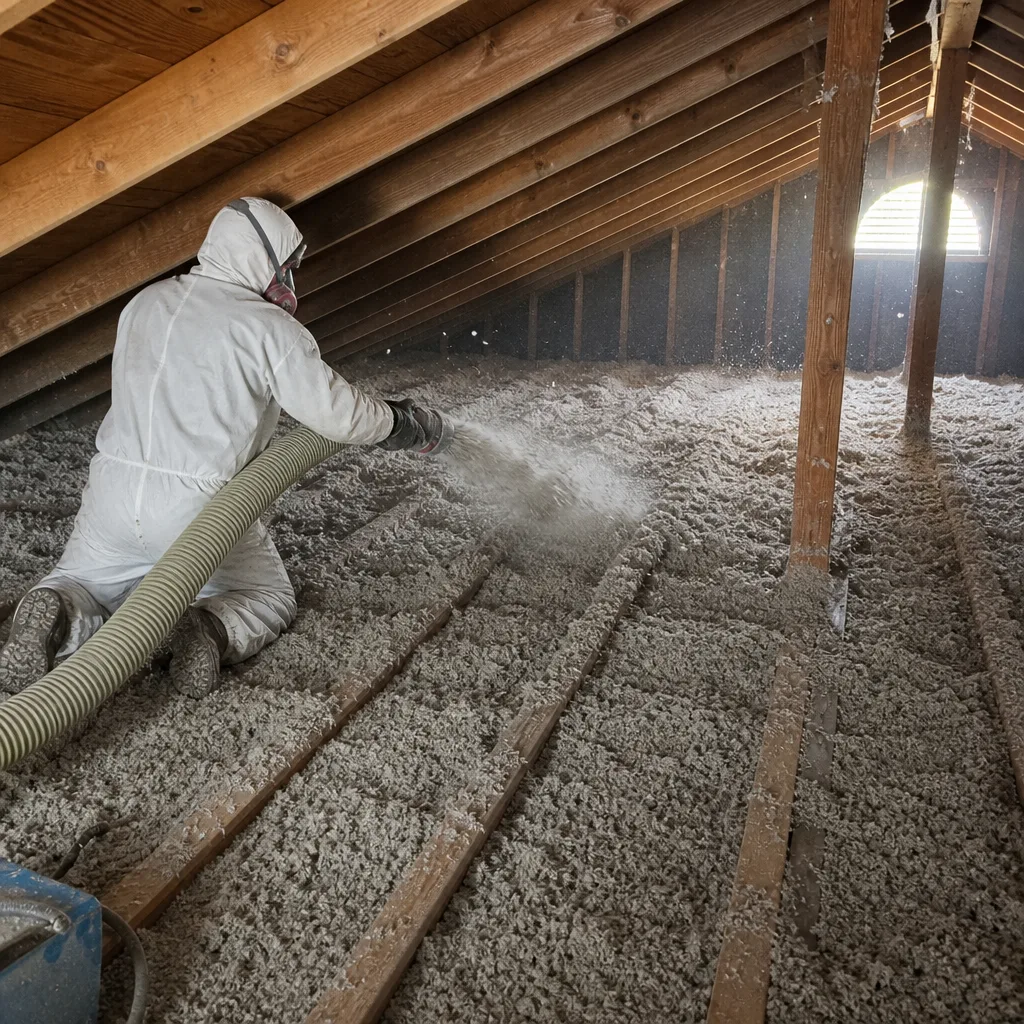
Specify product by brand, line, and performance data. Example: “Owens Corning ProPink L77 loose-fill fiberglass, installed at minimum 12 inches depth to achieve R-38 at settled density of 0.5 lbs/ft³, per manufacturer ICC-ESR report.” This isn’t bureaucracy. It’s the difference between a contractor who can defend their spec and one who buys whatever the distributor had on sale.
Air Sealing Locations Listed by Name
The scope must enumerate every penetration to be sealed. Typical Milpitas attic: top plates of perimeter and interior walls, electrical box penetrations, recessed can lights (IC-rated or non-IC determines approach), plumbing vent stacks, chimney chases, duct boots and flex connections, bathroom fan housings, and the attic hatch or scuttle. Each location gets a treatment specified: fire-rated caulk, spray foam, rigid foam with sealant, or weatherstripped dam.
Post-Job Verification Method Stated
How will you know the work performed as designed? The scope should state: blower-door test repeated after air sealing, infrared camera scan for thermal bypasses, depth markers installed and photographed, or a combination. Under Haven Standard: Have it in writing. If verification isn’t promised in writing, it won’t happen.
Our written scopes also include the 365-Day Done Right Promise - if it’s not done right, we make it right - with the specific warranty language delivered before work begins, not after completion.
California License and Insurance Requirements
California regulates insulation contractors through the Contractors State License Board (CSLB). Here’s what to verify, and how.
The C-2 Classification
Insulation and Acoustical Contractor is a specialty classification. A C-2 holder is qualified to install thermal and acoustic insulation, including spray foam, fiberglass, cellulose, and radiant barriers. General building contractors (B) can also perform insulation work, but the C-2 is the specific credential. Verify at cslb.ca.gov by entering the contractor’s license number.
Insurance Minimums
California requires active general liability insurance and workers’ compensation coverage for contractors with employees. Ask for certificates of insurance naming you as additional insured for the project duration. In Milpitas, where many homes have steep roof pitches and tight attic hatches, workers’ comp isn’t abstract - it’s protection against liability if a technician is injured on your property.
Bonding
California requires a $25,000 contractor’s bond for license issuance. This bond protects you against incomplete work or unpaid subcontractors, not workmanship quality. It’s a baseline, not a substitute for the contractor’s own warranty.
Red Flags in Verification
- License status “Suspended” or “Revoked” - obvious, but check anyway
- Workers’ comp exemption for a contractor who clearly employs crews - illegal in California if they have employees
- License number belongs to a different company name than the one on the proposal - common in shell-game operations
- No local address or only a PO box - makes service calls and warranty claims difficult
We’ve seen homeowners in Milpitas discover too late that their “contractor” was operating under a suspended license from a Central Valley address, with no local presence to honor callbacks. The CSLB database takes two minutes. Use it.
How to Compare Bids Using Unit-Cost Analysis
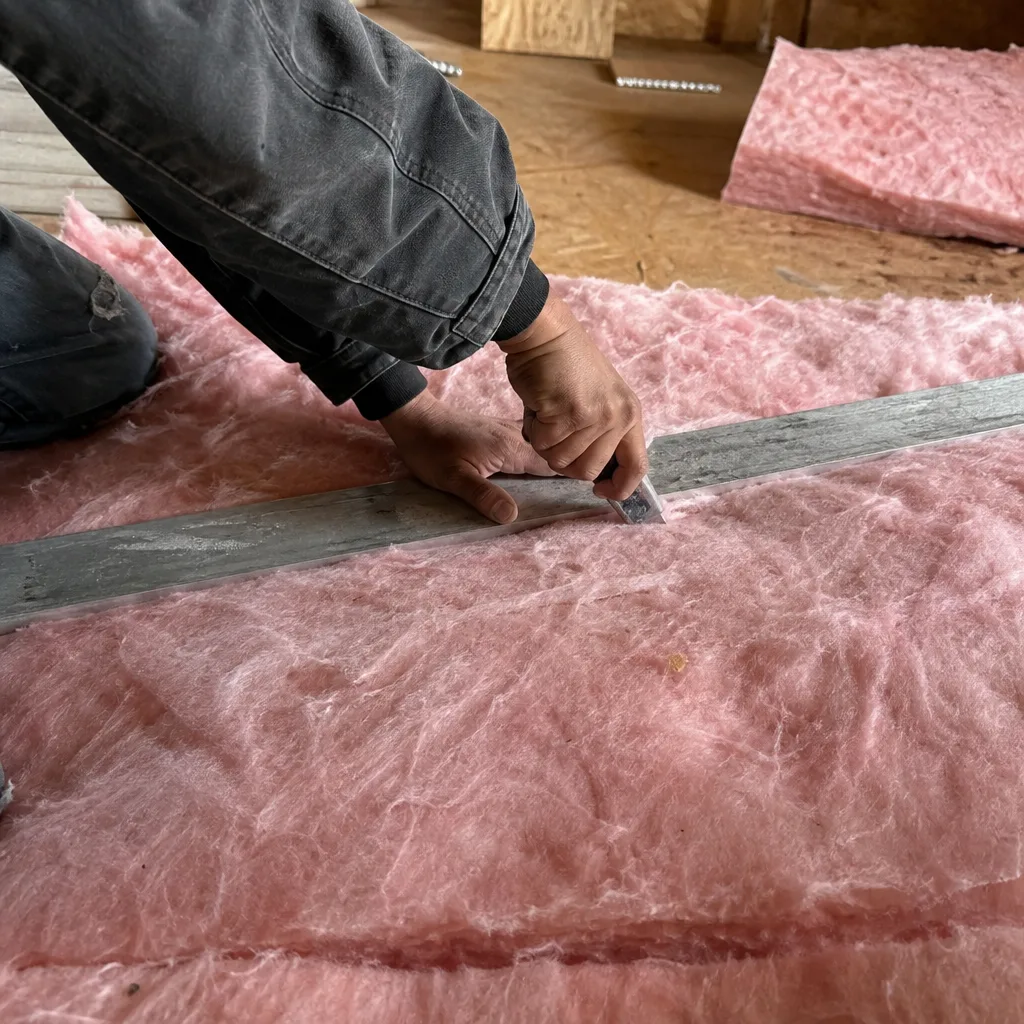
Lump-sum bids obscure what’s actually being purchased. Two proposals at $4,500 could cover radically different scope. The unit-cost framework makes comparison possible.
The Formula: Cost per R-Value per Square Foot
Calculate: Total installed cost ÷ (R-value × square footage of treated area)
Example: Contractor A proposes R-38 blown cellulose in a 1,200 sq ft attic for $3,600. Unit cost: $3,600 ÷ (38 × 1,200) = $0.079 per R-value per square foot.
Contractor B proposes R-49 batts in the same attic for $4,200. Unit cost: $4,200 ÷ (49 × 1,200) = $0.071 per R-value per square foot.
Contractor B appears cheaper per unit of performance. But if Contractor B’s scope omits air sealing that Contractor A includes, the comparison collapses. The unit-cost framework only works when scope is held constant.
Creating Comparable Scope
- Normalize R-value: Convert all bids to the same target R-value, or calculate unit cost at proposed R-value and note the difference
- Isolate air sealing: Separate air sealing labor and material from insulation installation - these are distinct trades with distinct value
- Account for access: Steep-pitch attics, limited hatch openings, or active rodent damage require additional labor - note if one bid includes this and another doesn’t
- Verify material type: Spray foam at R-21 isn’t equivalent to fiberglass at R-38 - different assemblies, different performance characteristics
- Include verification: Blower-door testing, photo documentation, and warranty terms have value - assign them if necessary, or demand all bidders include them
Milpitas-Specific Pricing Context
Attic insulation jobs in Milpitas typically run between $2.80 and $4.50 per square foot for blown-in fiberglass or cellulose to R-38, including basic air sealing of accessible top plates and penetrations. Spray foam applications range from $5.50 to $8.00 per board foot for open-cell, higher for closed-cell in crawl spaces or rim joists. These ranges reflect 2024-2025 material costs and Milpitas labor rates; your specific home may fall outside them based on access difficulty and pre-existing conditions. For a deeper dive, see our Insulation Cost Breakdown: The Milpitas Homeowner’s Reference for 2026.
We publish before-and-after blower-door numbers on every applicable job so homeowners can see the performance change they actually paid for. A lower unit cost with no verification is speculation. A documented result is evidence.
Contract Red Flags in Milpitas
The contract is where promises become enforceable. These four red flags appear frequently in insulation contracts across Santa Clara County.
No Pre-Job Inspection Line Item
A contract that jumps straight to “install R-38 blown insulation” without describing current conditions, identified leaks, or moisture concerns is written for the contractor’s convenience, not your protection. How will you prove the starting state if mold appears six months later?
No Performance Documentation Promised
If the contract doesn’t specify what you receive at completion - photos, test results, depth measurements - the contractor can declare the job done and leave. We include a Documented Photo Record on every visit, included on every job, not available on request.
Change-Order Language That Lets Scope Expand Verbally
Watch for phrases like “additional work as needed” or “contractor may perform necessary extras at prevailing rates.” In Milpitas, where older homes in the Serra neighborhood often conceal knob-and-tube wiring or compromised decking, “as needed” can double your price. Every change requires a written amendment with specific scope and price, signed by both parties, before work proceeds.
Vague Material Specifications
“Fiberglass insulation to code” permits substitution to the cheapest product that technically complies. Insist on manufacturer, product line, and performance data as described in the written scope section above.
We offer a Free Second Opinion on Any Written Estimate - bring us a competing quote; we will read it with you. Not to undercut, but to identify what’s actually being purchased.
How Milpitas Climate Affects Your Insulation Strategy
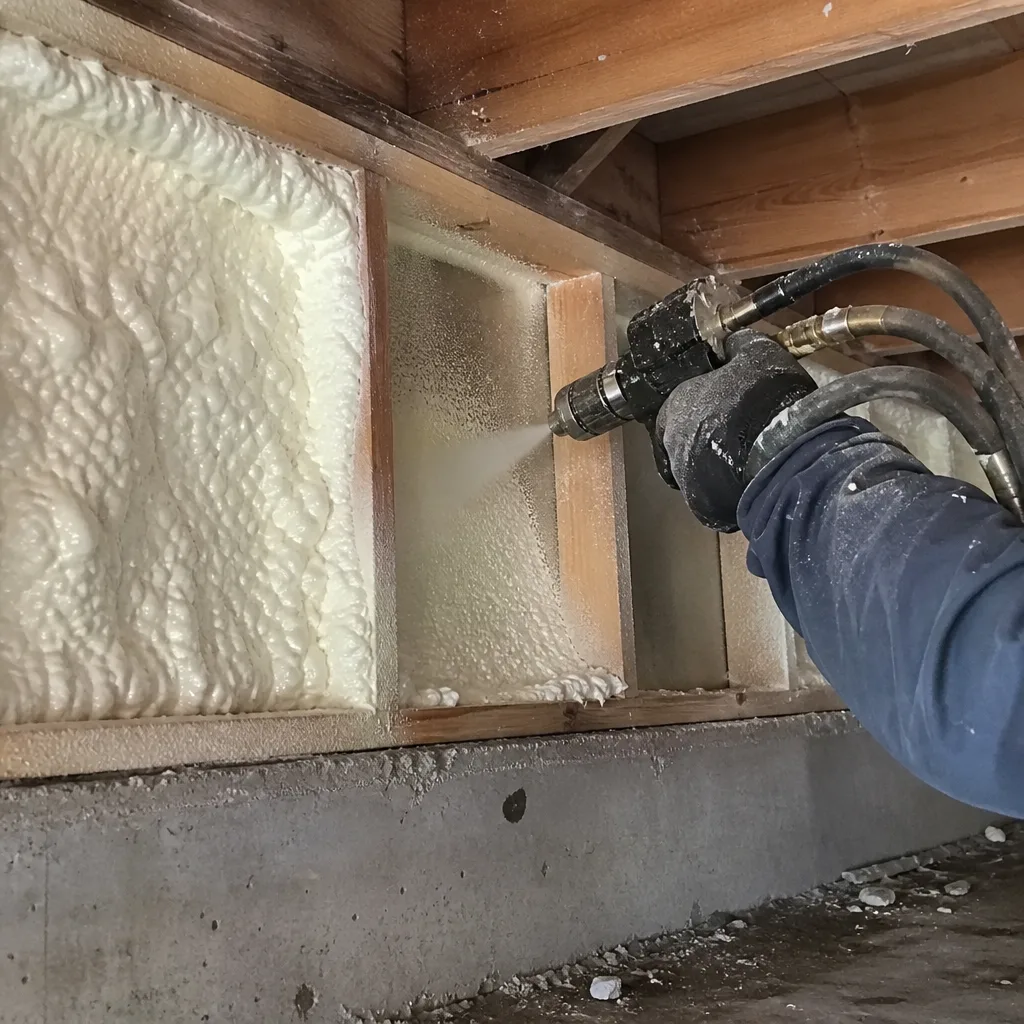
Milpitas sits in Santa Clara Valley with a Mediterranean climate modified by Bay influence. Summer afternoons hit the low to mid-90s; winter nights drop to the upper 30s. The Pacific marine layer moderates extremes compared to inland Central Valley, but the diurnal swing - day-night temperature difference - still stresses building envelopes.
Cooling-Dominant Load
Unlike Midwest or Northeast markets where heating dominates, Milpitas homes spend more on cooling than heating annually. This shifts insulation priorities: attic insulation must resist downward heat flow in summer, not just upward heat loss in winter. Radiant barriers - reflective surfaces that reduce radiant heat gain from roof decks - often provide faster payback in Milpitas than in heating-dominated climates. Attic Insulation in Milpitas covers combined insulation and radiant barrier strategies.
Moisture Management
The marine layer brings high morning humidity, particularly in spring and fall. Attic ventilation must work with insulation, not against it. Improperly installed insulation that blocks soffit vents creates moisture accumulation and mold risk. In crawl spaces, the same marine layer keeps ground moisture elevated year-round. Crawl Space Encapsulation & Vapor Barrier in Milpitas addresses ground moisture control specifically.
Seismic and Structural Considerations
Milpitas is in Seismic Design Category D - high earthquake risk. Heavy insulation additions, particularly dense-pack cellulose in walls, add mass that must be considered in structural calculations for major retrofits. Most attic insulation projects don’t trigger structural review, but wall insulation in older homes with unbraced cripple walls may.
Title 24 and Local Amendments
California’s energy code applies statewide, but local jurisdictions add amendments. Milpitas follows Santa Clara County’s enforcement of Title 24, Part 6, with particular attention to duct sealing and insulation continuity in conditioned space conversions. If you’re finishing an attic or garage, the insulation specification must integrate with the mechanical design - a detail often missed by insulation-only contractors.
Spray Foam Insulation in Milpitas is often specified for conditioned attic conversions where traditional vented attic strategies don’t apply.
Common Mistakes to Avoid
- Hiring based on price per square foot alone. A $2.50/sq ft bid that omits air sealing and verification will underperform a $3.50/sq ft bid that includes both. The cheaper job costs more over the life of the home.
- Assuming all insulation types are interchangeable. Blown fiberglass, dense-pack cellulose, and open-cell spray foam have different air-sealing contributions, moisture tolerance, and installation requirements. Match material to assembly, not budget alone.
- Ignoring the attic hatch. The hatch is often the largest unsealed hole in the attic envelope. A contractor who doesn’t specify hatch weatherstripping and insulation isn’t finishing the job.
- Skipping the pre-job blower-door test. Without a baseline, you can’t verify improvement. We’ve seen Milpitas homeowners pay for “air sealing” with no measurable result because leaks were misidentified.
- Neglecting to verify the CSLB license in real time. Screenshots can be outdated. Check the database the day you sign, not the day you received the proposal.
- Accepting verbal promises for warranty terms. The 365-Day Done Right Promise only matters if it’s in writing before work starts. Verbal assurances evaporate when the crew moves to the next job.
- Installing insulation over active leaks or mold. In Milpitas, roof leaks around chimney flashings and bathroom vent terminations are common. Insulation over wet sheathing traps moisture and destroys material value. Fix first, then insulate.
When to Call a Professional
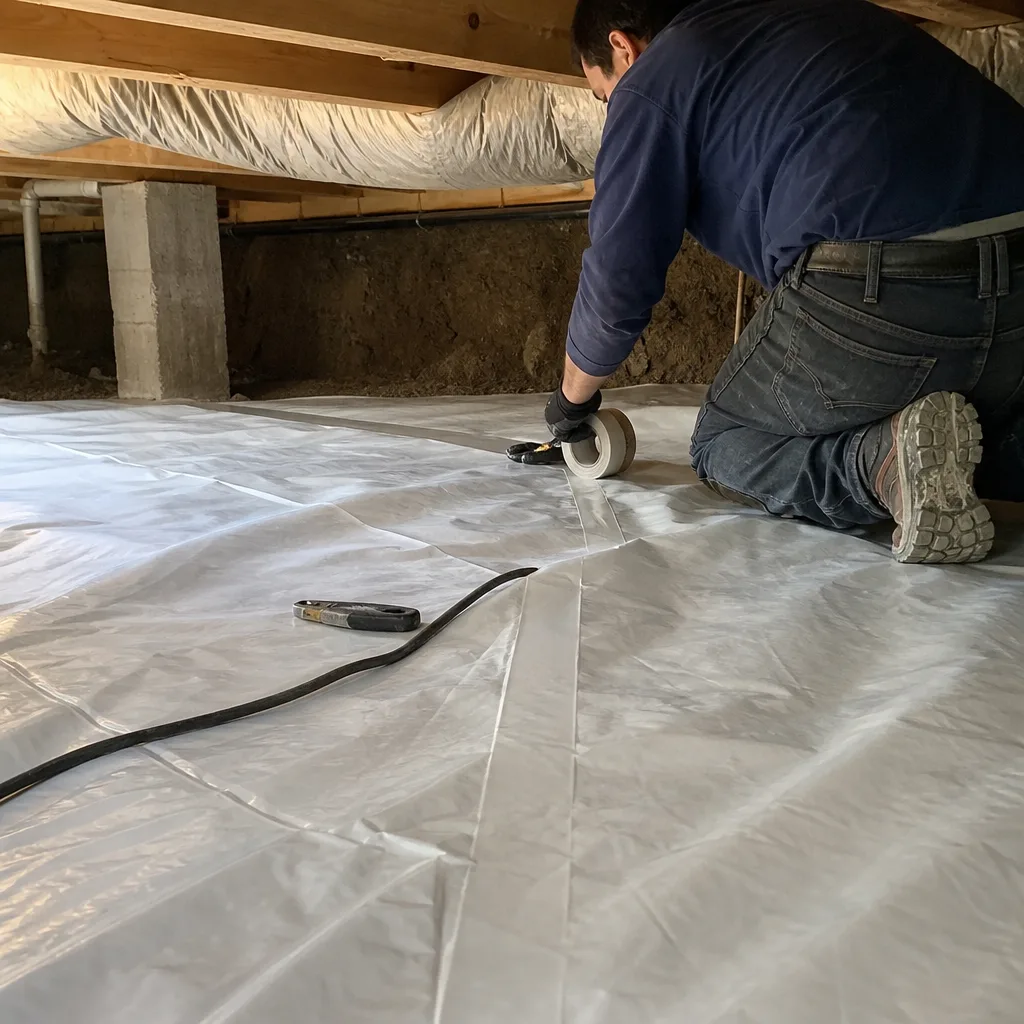
Call a professional when your energy bills trend upward without rate increases, when rooms have persistent temperature stratification, when you find compressed or disturbed insulation with rodent evidence, or when you’re finishing an attic or garage and need Title 24 compliance. Not sure if it’s time? Check Insulation Warning Signs: A Milpitas Homeowner’s Reference Guide. In Milpitas, we also recommend professional assessment before any roof replacement - the optimal time to upgrade attic insulation and air sealing is when the roof deck is accessible.
Topside Attic Insulation Milpitas offers free estimates in Milpitas. Every estimate includes a written scope, upfront pricing, and documentation of what we find. Call (650) 770-8707 to schedule. A live person answers 24/7 - no voicemail loops, no callback windows measured in business days.
Frequently Asked Questions
Most attic insulation jobs in Milpitas run between $2.80 and $4.50 per square foot for blown-in fiberglass or cellulose to R-38, including basic air sealing. Spray foam applications range from $5.50 to $8.00 per board foot for open-cell. The exact price depends on access difficulty, current insulation condition, and the extent of air sealing required. Call (650) 770-8707 for a written estimate - estimates are free, and we provide a Free Second Opinion on any written estimate you bring us.
ACH50 measures air changes per hour at 50 pascals of pressure - the blower-door benchmark that quantifies how much conditioned air your home leaks. A Milpitas home built in the 1970s might test at 10 ACH50; after proper air sealing and insulation, 5 ACH50 or lower is achievable. You should care because ACH50 predicts energy performance more accurately than R-value alone. A contractor who doesn’t measure it can’t manage it.
Repair is rarely cost-effective for insulation that’s compressed, water-stained, or rodent-contaminated. Compressed fiberglass loses R-value permanently; cellulose with urine saturation can’t be sanitized in place. In most Milpitas homes we assess, removal and replacement with new material, plus air sealing of the now-exposed attic floor, delivers better performance than spot repairs. The exception is recently installed material disturbed by a single leak - if the leak is fixed and the material is dry and uncompressed, localized repair may suffice.
Visit cslb.ca.gov and enter the license number. Confirm the status is “Active,” the classification includes C-2 or B, and the business name matches your proposal. Check that workers’ compensation coverage is current if the contractor has employees. Do this the day you plan to sign, not when you first received the bid - status changes.
Yes, and it’s often preferable. Attic temperatures in Milpitas peak above 140°F in July and August, which helps identify the worst thermal bypasses during pre-job inspection. Our crews work early hours to minimize heat exposure, and summer installation means your home is optimized before the cooling season peak. The marine layer typically keeps morning attic temperatures manageable through 10 a.m.
You should receive photos of work areas before and after, a written completion statement with warranty terms, and on jobs where air sealing was performed, before-and-after blower-door readings. At Envelope Insulation Co., every job closes with a Documented Photo Record; on applicable jobs, before-and-after blower-door readings are provided so the homeowner can verify the air-sealing result. If your contractor hands you an invoice and leaves, you didn’t get what you paid for.
The Bottom Line
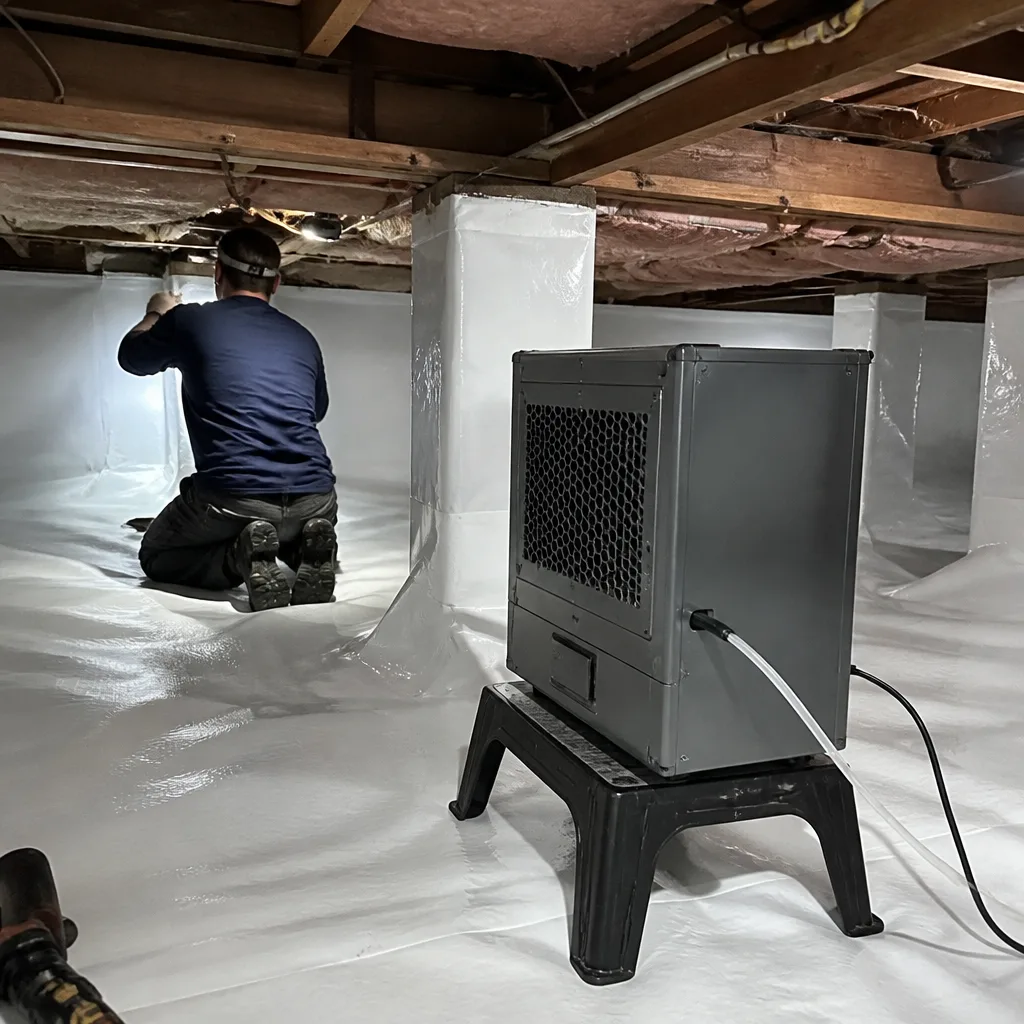
Hiring an insulation contractor in Milpitas comes down to three tests: Do they measure before quoting? Do they put scope, price, and warranty in writing before starting? Do they verify results with documentation you can keep? Contractors who pass all three are diagnosticians. Those who fail are installing material and hoping for the best. Use the unit-cost framework to compare bids fairly, verify licenses in real time, and never accept verbal promises for performance or warranty. The home you seal and insulate properly this year will perform for decades.
Written by Wes Okafor, Owner at Topside Attic Insulation Milpitas, serving Milpitas since 2016.