
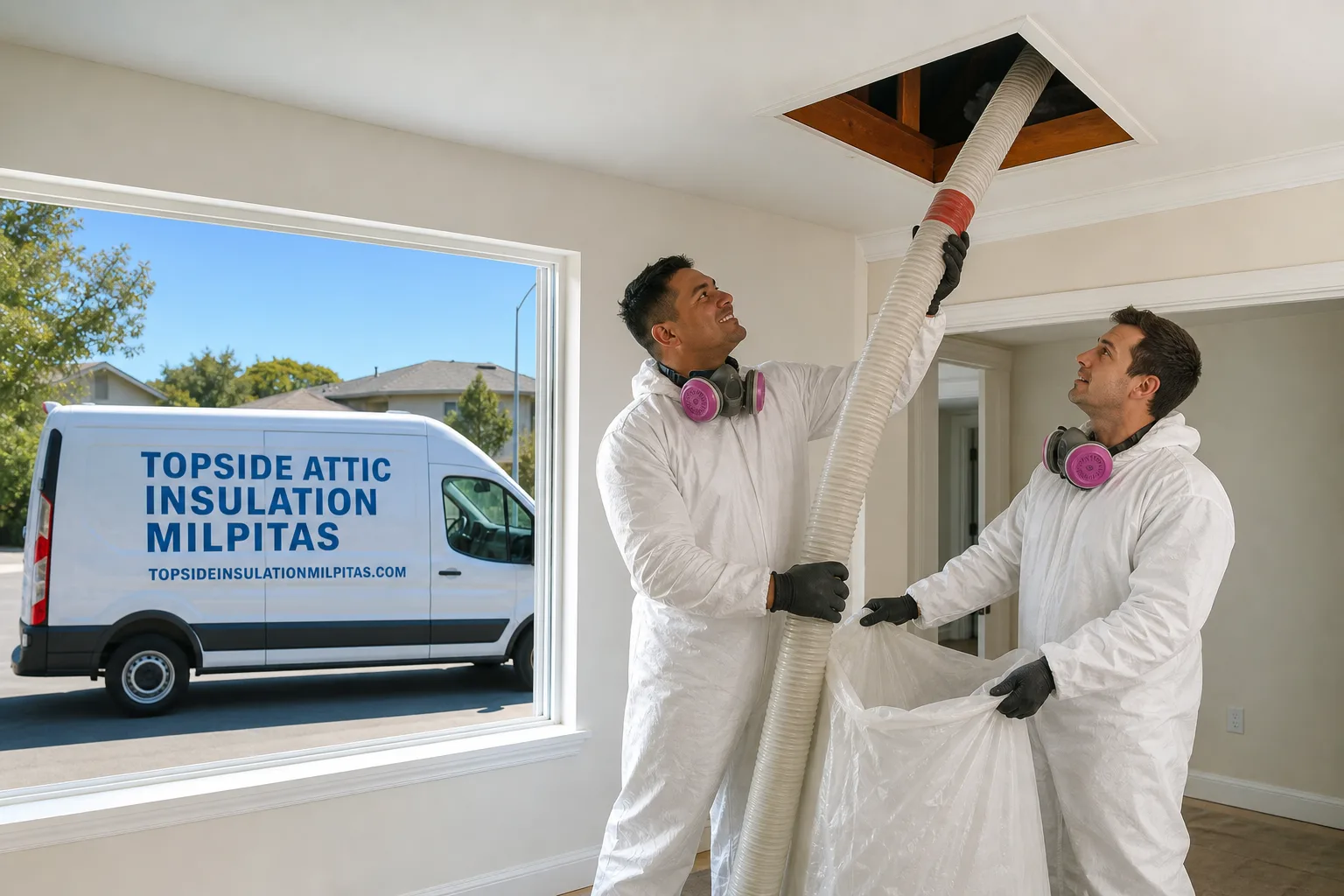
How Much Does Insulation Removal & Replacement Cost in Milpitas?
Our Insulation Removal & Replacement services in Milpitas, CA typically run between $1,800 and $6,500 for a standard single-story home, depending on attic square footage, the type of insulation being removed, and whether air sealing is completed before new material goes in. Most Milpitas homeowners with 1,200-1,800 sq ft attics land between $2,400 and $4,200 for a full remove-and-replace with blown-in insulation and attic air sealing included. Get a written price before any work starts – that’s not a sales pitch, it’s the only way to know what you’re actually comparing.
Insulation Removal & Replacement Cost Breakdown (2026)
These ranges reflect real jobs completed in the Milpitas market through early 2026. Costs vary with attic size, access difficulty, insulation type, and whether contamination (rodent debris, moisture damage) is present. Air sealing is listed separately below because some contractors skip it entirely – that’s a mistake we’ll explain further down.
| Service Item | Typical Cost Range (Milpitas, 2026) | Notes |
|---|---|---|
| Insulation removal only (blown-in/fiberglass batt) | $600 - $1,400 | Vacuumed and bagged; price scales with sq footage and debris volume |
| Attic air sealing (top plates, penetrations, can lights) | $400 - $900 | Should always precede new insulation; blower-door tested before and after |
| Blown-in fiberglass insulation (replacement) | $0.85 - $1.40 per sq ft installed | R-38 to R-49 target depth; most common replacement choice in Milpitas |
| Blown-in cellulose insulation (replacement) | $0.80 - $1.30 per sq ft installed | GreenFiber and similar; good thermal mass, slightly higher moisture sensitivity |
| Fiberglass batt replacement | $1.10 - $1.80 per sq ft installed | Less common in attic decks; still used in knee walls and crawl spaces |
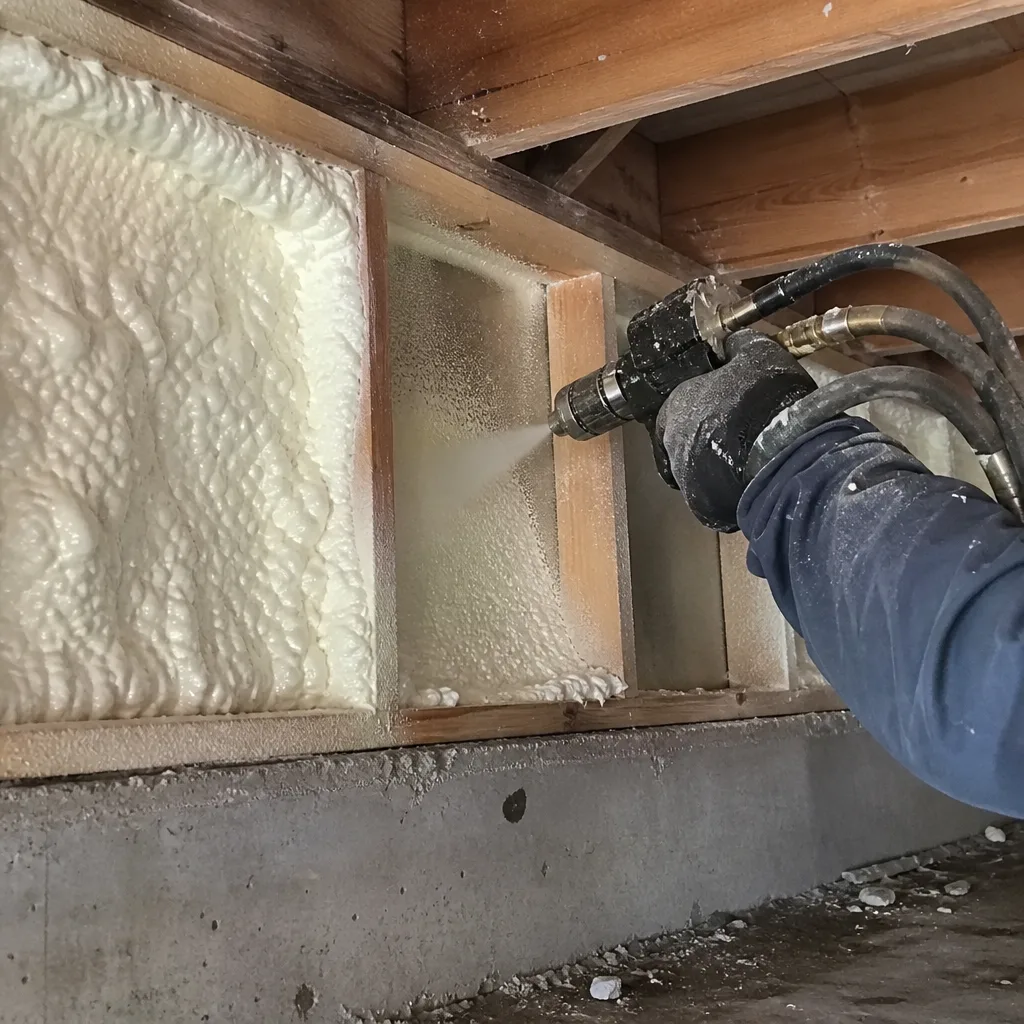
| Open-cell spray foam (selective sealing, not full coverage) | $1.50 - $3.00 per sq ft | Icynene or Demilec; typically used at rim joists and critical penetrations |
| Rodent proofing / attic sanitation add-on | $300 - $1,200 | Necessary when rodent activity has contaminated existing insulation |
| Radiant barrier installation (add-on) | $500 - $1,200 | Foil-based barrier stapled to rafters; reduces radiant heat gain in summer |
| Full remove, air seal, and replace (1,200 sq ft attic) | $2,400 - $3,800 | Most common scope for Milpitas tract homes built 1970s-1990s |
| Full remove, air seal, and replace (1,800-2,400 sq ft attic) | $3,800 - $6,500 | Larger footprints, often with multiple HVAC penetrations and more air sealing work |
A few cost drivers that move numbers up quickly in Milpitas specifically: attics with low pitch (common in older ranch-style homes near Sunnyhills and the Berryessa neighborhoods) require technicians to work in tighter spaces, which adds labor time. Homes built before 1980 sometimes have older vermiculite or compressed fiberglass that clogs vacuum equipment faster, adding to removal hours. And if the insulation removal reveals significant air-sealing work – unsealed top plates, dozens of can lights with no covers, old HVAC boots floating in an insulation sea – the air-sealing scope will push the final number toward the higher end of these ranges. That’s not a bait-and-switch; it’s just what the attic costs to actually fix.
What Affects Insulation Removal & Replacement Pricing in Milpitas
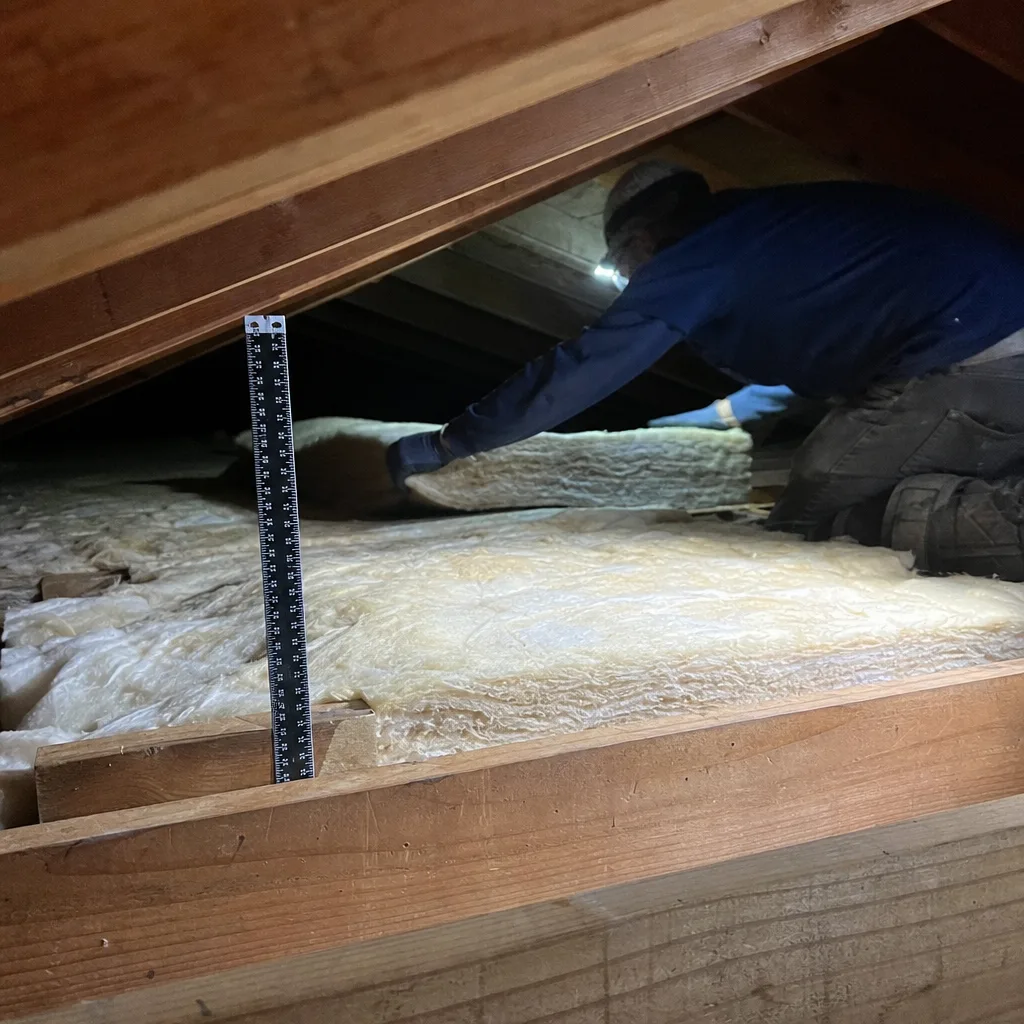
Six factors consistently explain most of the price spread we see in Milpitas jobs. Understanding these helps you evaluate any written estimate – including ours.
- Attic square footage and pitch: Removal and installation pricing scales with floor area, but low-slope or split-level attics common in parts of Milpitas (especially older construction near Calaveras Boulevard) add labor because technicians can’t stand upright. Expect a 10-20% premium on tight-access attics compared to standard full-height decks.
- Type and depth of existing insulation: Wet, compressed, or rodent-contaminated insulation takes longer to vacuum and bag than dry, loose-fill material. Batt insulation that’s been torn up by pests or improper HVAC work has to be hand-removed in pieces, which is slower. Depth matters too – an attic that was over-insulated to 16″ will have more material to remove than a standard 10″ attic.
- Air-sealing scope discovered after removal: You can’t see the attic floor until the old insulation comes out. In Milpitas homes built in the 1970s and 1980s – the majority of the housing stock in areas like Montcalm and East Milpitas – it’s common to uncover 30-60 unsealed penetrations once the insulation is vacuumed away. Each one needs to be foam-sealed before new material goes in. This is the single biggest variable in final cost.
- Contamination and sanitation requirements: The Milpitas area has a well-documented rodent pressure problem, particularly in homes adjacent to the Alviso marshlands and the open hillside parcels near Ed Levin County Park. When rodent activity is present – feces, nesting material, urine odor – the removal requires PPE-level containment, antimicrobial treatment, and sealed disposal bags. That adds to both time and material cost.
- Insulation type selected for replacement: Blown-in fiberglass (Owens Corning, Johns Manville, Knauf) and blown-in cellulose (GreenFiber) are the most cost-effective choices for flat attic decks in Milpitas. Spray foam at the deck level is significantly more expensive and rarely the right call for a standard attic floor replacement – though it’s appropriate at rim joists and certain air-sealing applications.
- R-value target and local energy code: California’s Title 24 energy standards require R-38 minimum for existing homes in Climate Zone 4 (which covers Milpitas). Many homeowners choose R-49 when replacing anyway, since the marginal cost of additional blown-in depth is small relative to total labor. Going from R-30 to R-49 adds roughly 3-4″ of blown-in material – a modest cost increase for a meaningful performance gain at this climate’s mild but variable temperatures.
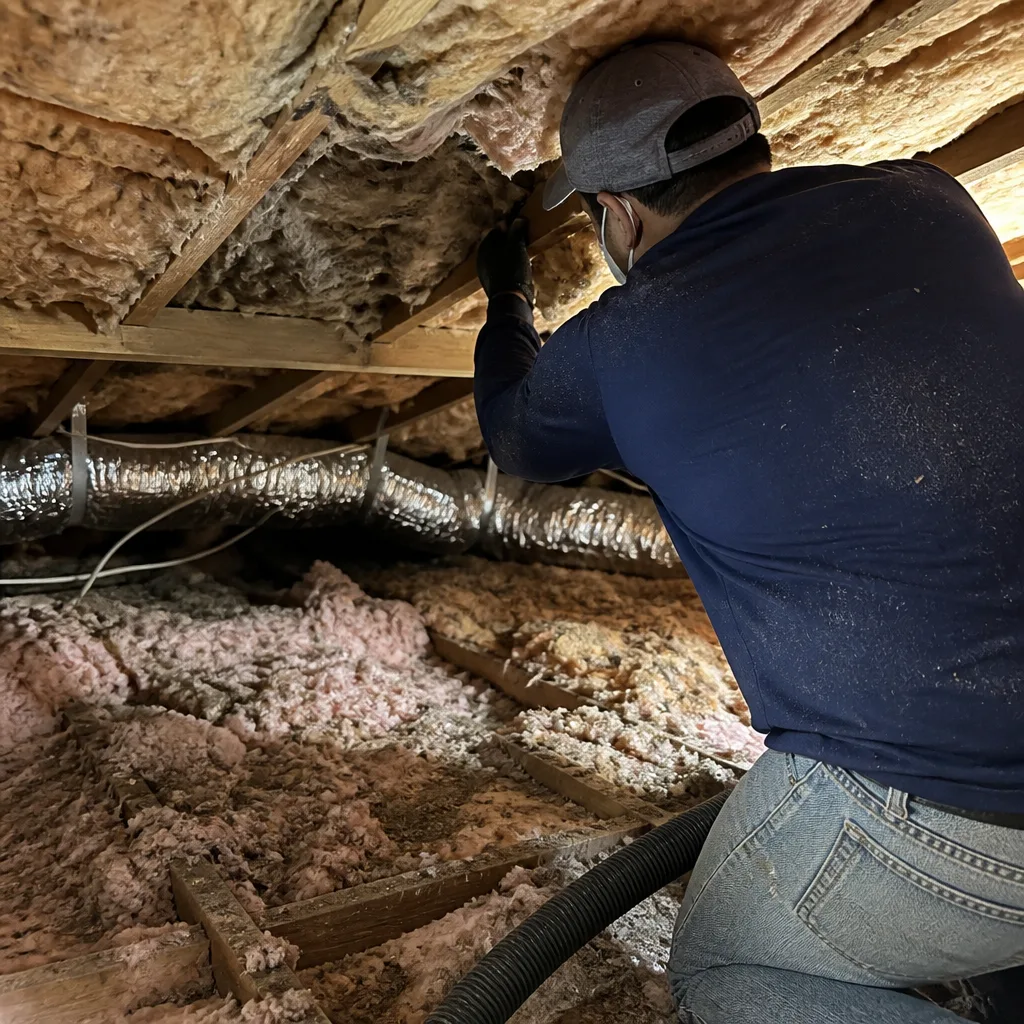 Before
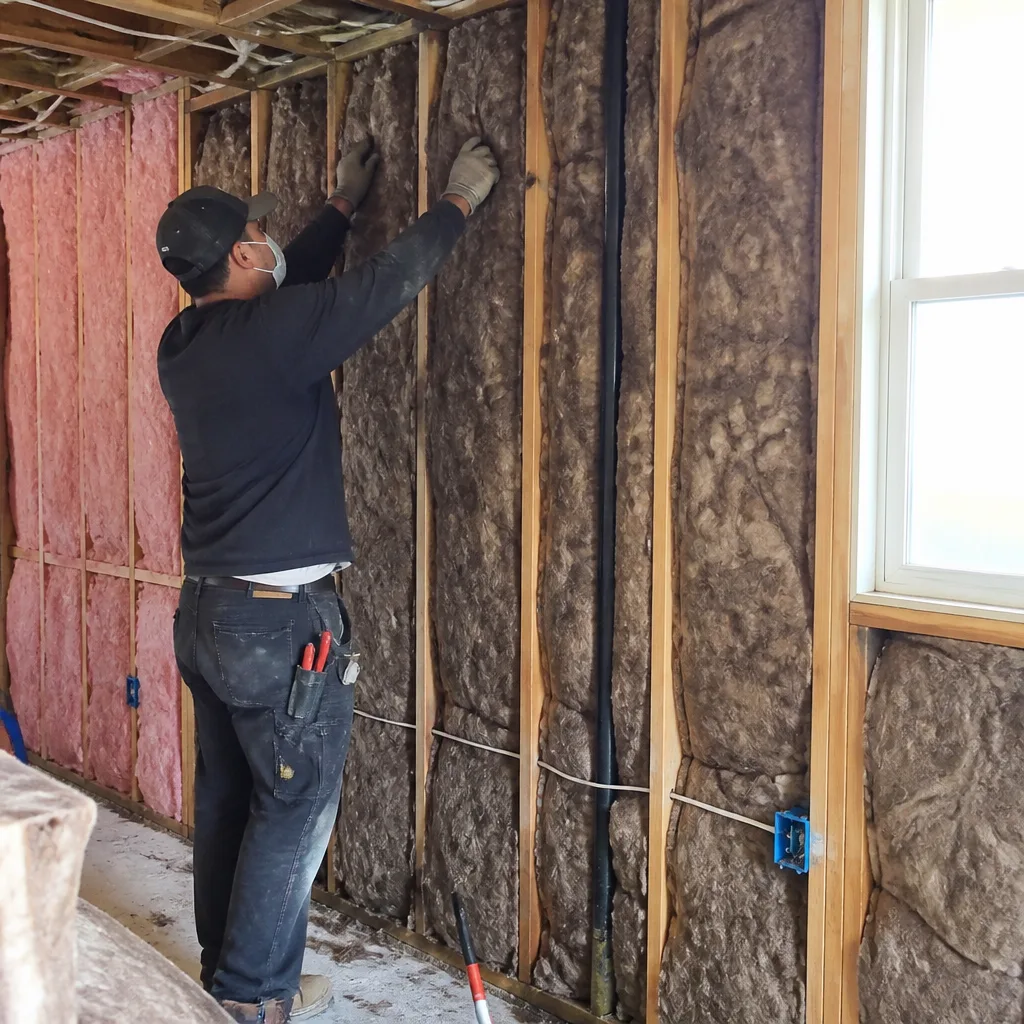 After
AfterWhy Air Sealing Comes First – Every Time
This is the part most contractors skip, and it’s the part that determines whether the new insulation actually does its job.
Milpitas sits in a climate zone where summer afternoons push into the high 80s and 90s while winter nights can drop into the 30s. That temperature swing means homes are pressurized and depressurized constantly – warm air rises through attic penetrations in winter, and hot attic air finds every gap in summer. Insulation slows conductive heat transfer. It does almost nothing about air movement. If the top plates, can lights, electrical penetrations, and HVAC boots aren’t sealed before insulation goes in, you’re adding R-value while leaving the real energy loss untouched.
At Envelope Insulation Co., we complete attic air sealing before any new insulation is added – always. That’s not an upsell offered at the end of a job; it’s the first line of the written scope. We use a blower-door test – a pressurization measurement that shows, in one number, how much conditioned air the home is losing – before we start and again after air sealing is complete. Those two numbers get documented and left with the homeowner. On a recent job in the Sunnyhills neighborhood, the pre-seal reading was 3,800 CFM50; after sealing 44 penetrations across the attic floor, it dropped to 1,950 CFM50. That’s the kind of result that shows up in your utility bill, not just in a contractor’s marketing copy.
If you’re reviewing a competing estimate and air sealing isn’t listed as a separate line item with a scope description, ask what happens to those penetrations. The answer will tell you a lot.
Milpitas-Specific Factors That Affect Your Cost
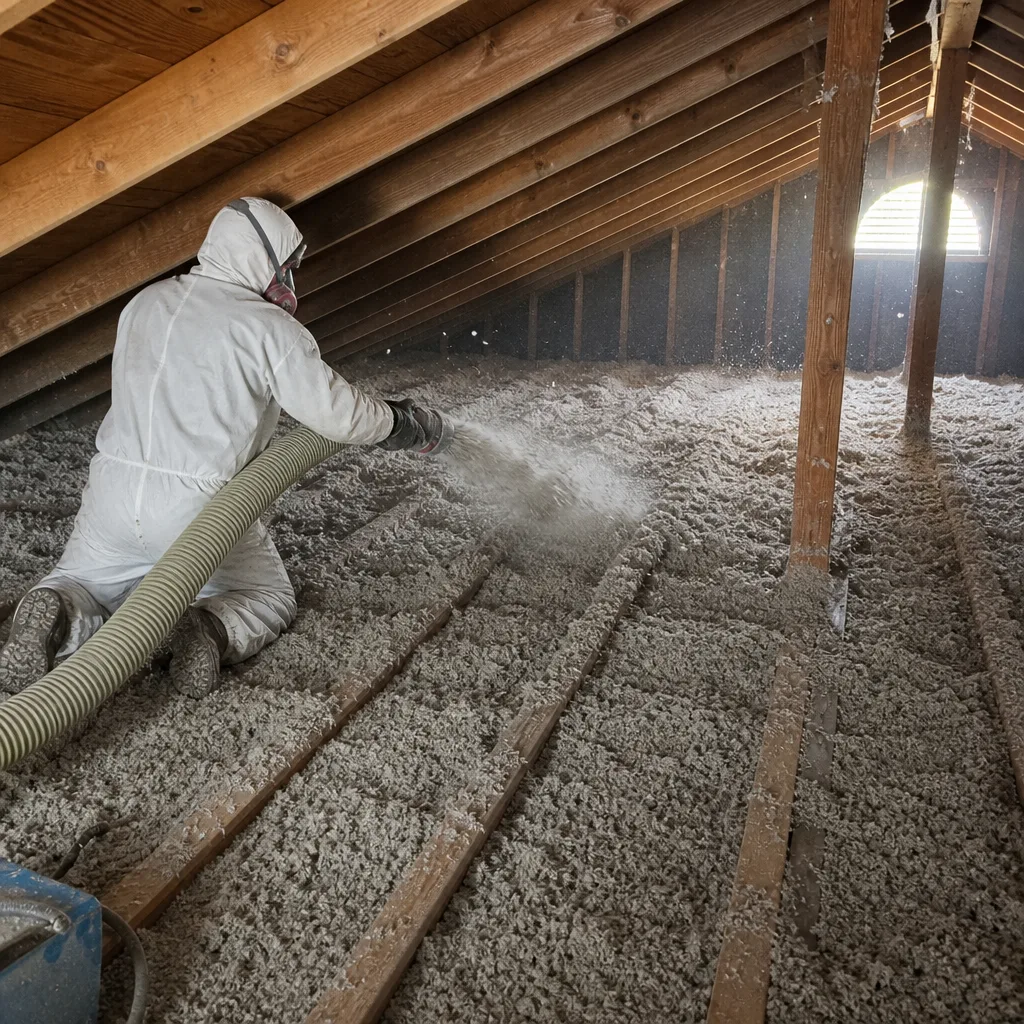
Generic insulation pricing guides don’t account for conditions specific to this market. A few things worth knowing before you get any estimate in Milpitas:
Older tract housing stock: A significant portion of Milpitas homes were built between 1960 and 1990 – many in the Sunnyhills, Hillcrest, and Piper Drive areas. These homes frequently have fiberglass batts that were installed during original construction and have been compressed and degraded for 30-50 years. When we remove this material, it’s often reduced to half its original thickness, which means the R-value on paper never matched what the home actually had. Replacement to current Title 24 standards is almost always the better financial decision over topping off degraded batts.
Rodent pressure near Coyote Creek and Alviso: Homes in the southern and eastern portions of Milpitas, particularly near the Coyote Creek corridor and within a mile of the Alviso wetlands, consistently show higher rates of rodent activity in attics than homes elsewhere in the South Bay. When rodent contamination is confirmed during removal, California Department of Public Health guidelines apply to disposal – sealed, double-bagged, and transported as solid waste. That’s a real cost line, and any contractor who doesn’t mention it probably hasn’t thought through the scope.
HVAC ductwork in the attic: Many Milpitas homes in the 1970s-1980s vintage have HVAC ducts running through the attic deck rather than in conditioned space. When those ducts have gaps or aren’t properly supported, burying them under blown-in insulation actually traps the problem. A complete job identifies duct issues before insulation goes in. This may add a duct-sealing scope item to your estimate, but it also means the new insulation performs the way it’s supposed to.
How to Save on Insulation Removal & Replacement
There are real ways to reduce cost without cutting corners on the scope. There are also false economies that will cost you more later. Here’s the difference.
- Get a written scope, not just a number. A low quote that doesn’t include air sealing isn’t a bargain – it’s an incomplete job. When you compare written estimates side by side, confirm that air sealing of top plates and penetrations is included. If it’s not, add the $400-$900 range to the competing quote’s total before comparing. Envelope Insulation Co. offers a free second opinion on any written estimate – bring us the quote and we’ll read it with you.
- Check for utility rebates before scheduling. PG&E’s Energy Upgrade California program and the federal 25C tax credit (extended through 2032 under current law) can offset a portion of insulation and air-sealing costs for qualifying homeowners in Milpitas. The 25C credit currently covers 30% of qualified energy-efficiency improvements, up to $1,200 per year for insulation. Ask for an itemized written invoice that separates air sealing from insulation material – that documentation is what the IRS requires for the credit claim.
- Schedule removal and replacement as one job, not two. Some homeowners price removal separately and plan to get new insulation later. In practice, this approach usually costs more: the attic is already set up for access, the vacuum equipment is already on-site, and the air-sealing work happens most efficiently right after removal. Splitting the job into two mobilizations adds duplicate travel and setup costs.
- Don’t add R-value over degraded batts. Blowing new insulation over old, compressed, or contaminated material is cheaper upfront and worse by every other measure. The old material holds odors, harbors pests, and creates uneven depth that defeats the R-value you’re paying for. Full removal before replacement is the approach that actually delivers the rated performance.
- Ask about material options before signing. Blown-in fiberglass and blown-in cellulose are typically 20-30% less expensive per square foot than spray foam for a standard attic floor application – and they perform equally well in this role. Spray foam is the right answer for rim joists and specific air-sealing applications, not for blanketing the entire attic deck. A contractor who defaults to spray foam for everything isn’t necessarily wrong, but make sure the scope explains why.
If you want a written price for your specific attic before committing to anything, call (650) 770-8707. There’s no estimate fee, and no work starts without a flat written price and a signed scope first – Haven Standard Clause 1, no exceptions.
What the Job Looks Like From Start to Finish
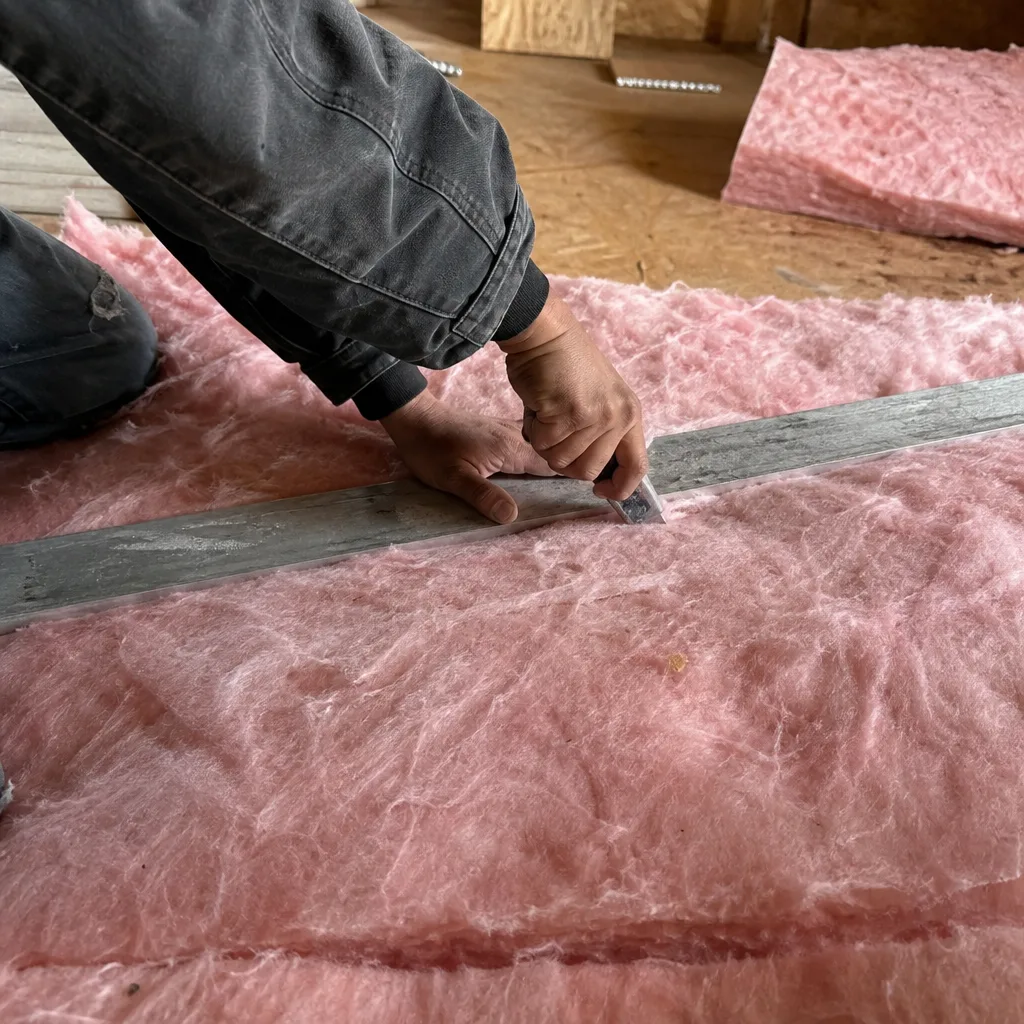
Knowing what to expect helps you hold any contractor accountable. Here’s how a complete remove-and-replace job runs under the Haven Standard.
Before the crew arrives: You receive a written scope and a flat written price. The scope names what’s being removed, what air sealing is included, what insulation product is being installed (brand and R-value), and what the job leaves behind. A named technician texts you when they’re on the way.
Day of removal: The crew sets up containment at the attic hatch, runs a vacuum hose to a truck-mounted unit, and removes all existing insulation. The material is bagged and hauled away. If contamination is found, disposal follows California solid-waste guidelines. After removal, the attic floor is fully visible – this is when the air-sealing scope is confirmed and any additional penetrations are identified.
Air sealing: Every unsealed top plate, can light, electrical penetration, HVAC boot, and pipe chase gets foam-sealed before any new insulation goes in. A blower-door test is run before sealing begins and again after it’s complete. Both readings are documented and handed to you.
Installation: New insulation goes in to the specified R-value depth. Baffles are checked at the eaves to maintain airflow. The attic hatch gets a cover or insulation blanket if it wasn’t already treated. The crew photographs the finished depth and coverage.
When the crew leaves: You receive a Documented Photo Record of the finished job, the before-and-after blower-door readings, and a written warranty. The 365-Day Done Right Promise covers the completed work – if it’s not right, we make it right. That’s in writing before anyone starts.
Repair vs. Replace: When Full Removal Is Worth It
Not every insulation problem requires full removal. But in Milpitas, full replacement is the right call more often than homeowners expect. Here’s a plain-language guide to what each situation usually calls for.
- Replace everything if: The existing insulation has rodent contamination (feces, nesting, urine odor), water damage or mold, is older than 25 years and shows significant compression, or was installed without any air sealing underneath. These conditions mean the existing material is either a health hazard or is underperforming badly enough that topping off won’t fix it.
- Adding to existing insulation may be appropriate if: The existing material is clean and dry, was installed within the last 15 years, sits on top of an already air-sealed deck, and is simply below current R-value minimums. In this case, a blower-door test first will tell you whether the deck is actually sealed or just appears to be.
- Get a blower-door test first if you’re unsure: A blower-door reading before any work starts costs less than a full removal job and answers the key question: is air leakage the problem, or is it purely insulation depth? That number tells you what scope makes financial sense.
FAQs – Insulation Removal & Replacement Cost in Milpitas
How much does insulation removal and replacement cost in Milpitas, CA?
Most complete remove-and-replace jobs in Milpitas run between $1,800 and $6,500, with the majority of standard single-story homes (1,200-1,800 sq ft attic) landing in the $2,400-$4,200 range when air sealing is included. Larger homes, contaminated attics, or significant air-sealing scope can push the total higher. The only way to get a number specific to your attic is a written estimate – call (650) 770-8707 and we’ll provide one at no charge.
How much does attic insulation removal cost on its own?
Removal alone – vacuuming, bagging, and hauling out old insulation – typically runs $600-$1,400 for a standard Milpitas attic. The range reflects access difficulty, the volume of material, and whether contamination is present. If rodent debris is involved, add $300-$1,200 for sanitation and compliant disposal. Removal without replacement is less common; most homeowners doing this work have the replacement scope on the same estimate to avoid a second mobilization charge.
Is insulation removal and replacement worth it for a Milpitas home?
For homes with degraded, contaminated, or pre-1990 fiberglass batts, the answer is almost always yes. The combination of removing the old material, sealing the attic floor, and installing new blown-in insulation to R-49 typically reduces heating and cooling load enough to cut HVAC runtime noticeably. On a 1,500 sq ft Milpitas home, a well-documented before-and-after blower-door test will show you the air-leakage reduction in one number. The 25C federal tax credit (30% of qualified costs, up to $1,200 per year) reduces out-of-pocket cost further for qualifying homeowners. That’s not a speculative payback calculation – it’s a documented result paired with a real credit you can apply next April.
How long does insulation removal and replacement take in Milpitas?
A standard 1,200-1,800 sq ft attic removal, air sealing, and replacement runs one full day for most jobs – typically 6-8 hours on-site for a two-person crew. Larger attics, significant air-sealing scope, or contamination cleanup can push the job into a second day. You’ll know the expected timeline before the crew arrives because it’s written into the scope. If the job runs longer than quoted because of conditions found on-site, that’s a conversation that happens before additional charges are added – not after.
Can I get a second opinion on an insulation estimate in Milpitas?
Yes – and you should, especially on estimates above $3,000. Envelope Insulation Co. offers a free second opinion on any written estimate. Bring us the competing quote and we’ll read it with you, line by line: what’s included, what’s missing (air sealing is the most common omission), and what the installed R-value actually means for your home. Call (650) 770-8707 to schedule. No pressure to book, no fee for the review.
Do I need a permit for insulation removal and replacement in Milpitas?
In most cases, insulation removal and replacement in a residential attic in Milpitas does not require a building permit when the scope is limited to insulation material and attic air sealing without structural modifications. However, if ductwork is being modified, electrical fixtures are being relocated, or the project triggers Title 24 compliance documentation (which can apply when permitted work is being done in another trade simultaneously), permit requirements can change. The City of Milpitas Building Department is the authoritative source; we confirm permit requirements as part of the pre-job written scope so you’re not surprised after the fact.
Why Envelope Insulation Co. Handles Milpitas Insulation Removal & Replacement
Since 2016, we’ve completed work on more than 9,000 homes across the South Bay – every one with a written price before work started and a documented photo record when the crew left. Wes Okafor leads our technical team and has personally supervised blower-door testing and air-sealing work on homes across Milpitas, including the older Sunnyhills neighborhood, the Hillcrest area, and newer construction near the McCarthy Ranch corridor.
What makes Envelope different isn’t a list of services – it’s the order of operations. We seal the attic floor before any insulation goes in. We run a blower-door test before and after air sealing and give you both numbers. We write down the price and the scope before anyone starts work. And if the job isn’t done right, the 365-Day Done Right Promise means we come back and fix it – in writing, not as a favor.
We source material from Owens Corning, Johns Manville, Knauf, Rockwool, CertainTeed, Icynene, Demilec, and GreenFiber. No proprietary product lock-in, no upselling to spray foam where blown-in is the right call.
Our full Insulation Removal & Replacement in Milpitas service page covers what’s included in each job scope. And if you want to understand how this service fits into a full building-envelope approach, the home page outlines every service line we run, from crawl space encapsulation to home energy audits.
Key Takeaways
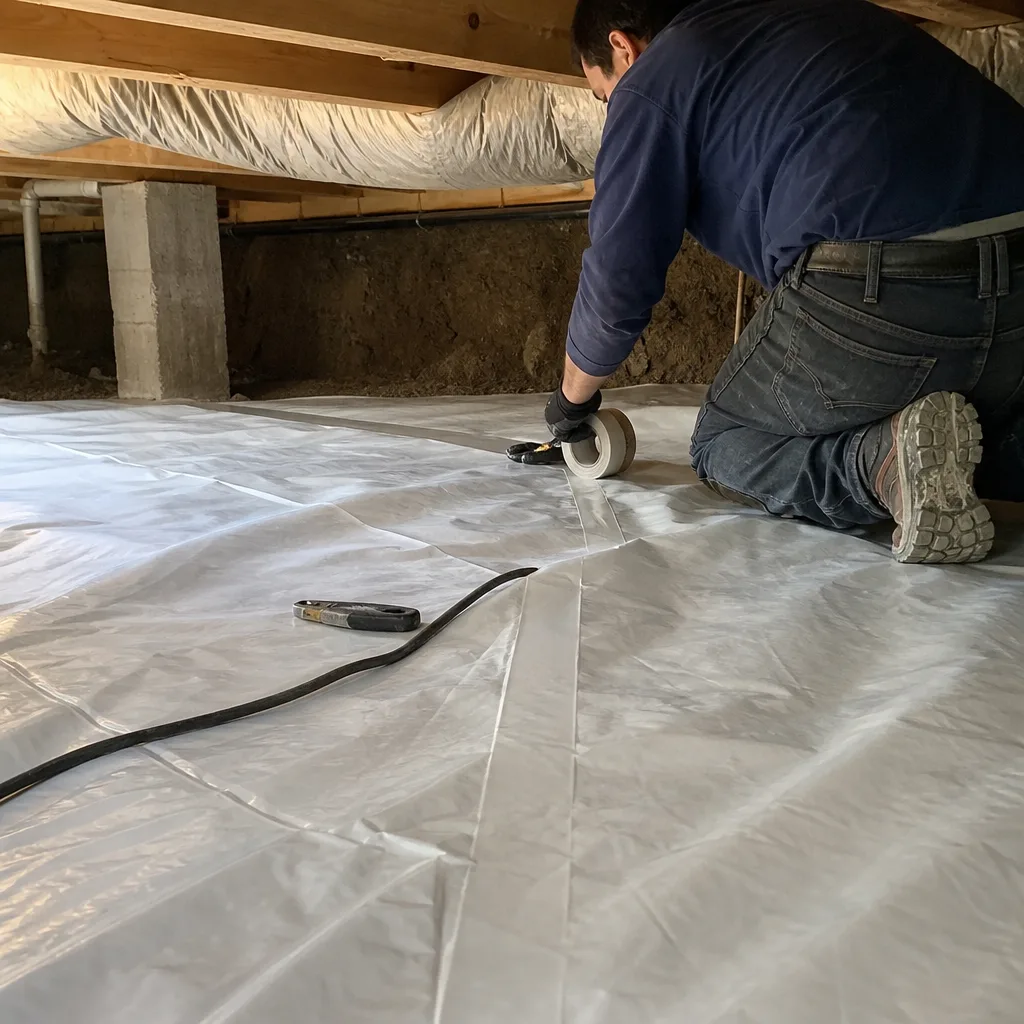
- Insulation removal and replacement in Milpitas runs $1,800-$6,500 for most homes, with the typical range for a standard attic landing at $2,400-$4,200 including air sealing.
- Air sealing must come before new insulation – not as an optional add-on. Without it, the new insulation underperforms from day one.
- Milpitas-specific factors – older 1970s-1980s housing stock, rodent pressure near Coyote Creek, and HVAC ducts in attic decks – frequently affect scope and cost.
- California Title 24 requires R-38 minimum for existing homes in this climate zone. Most homeowners replacing insulation now target R-49.
- The federal 25C tax credit covers 30% of qualified insulation and air-sealing costs, up to $1,200 per year – get an itemized invoice to claim it.
- A written price before any work starts is non-negotiable. So is a documented photo record and before-and-after blower-door readings on sealed jobs.
- Full removal is worth it when insulation is contaminated, older than 25 years with significant compression, or was installed without air sealing underneath.
Call (650) 770-8707 to schedule a free estimate for your Milpitas home. A live person answers – no voicemail loops. You’ll have a written price in hand before we schedule any work, and Wes Okafor’s team will walk you through the blower-door numbers so you know exactly what you’re getting before anyone lifts a tool.
Written by Wes Okafor, Owner at Envelope Insulation Co. / Topside Attic Insulation Milpitas, serving Milpitas since 2016. Pricing reflects the Milpitas market as of 2026. Topside Attic Insulation Milpitas offers free estimates – call (650) 770-8707.
What Our Customers Say
"Turned up on time, protected the hallway, and the written scope matched what was actually done."
- Bruno S."They air-sealed the attic floor before insulating and showed me the blower-door number before and after. The upstairs is finally the same temperature as downstairs."
- Marisol D."Two other companies quoted to blow more insulation on top of what was there. These were the only ones who said the existing material had to come out first, and explained why."
- Clifford E.