
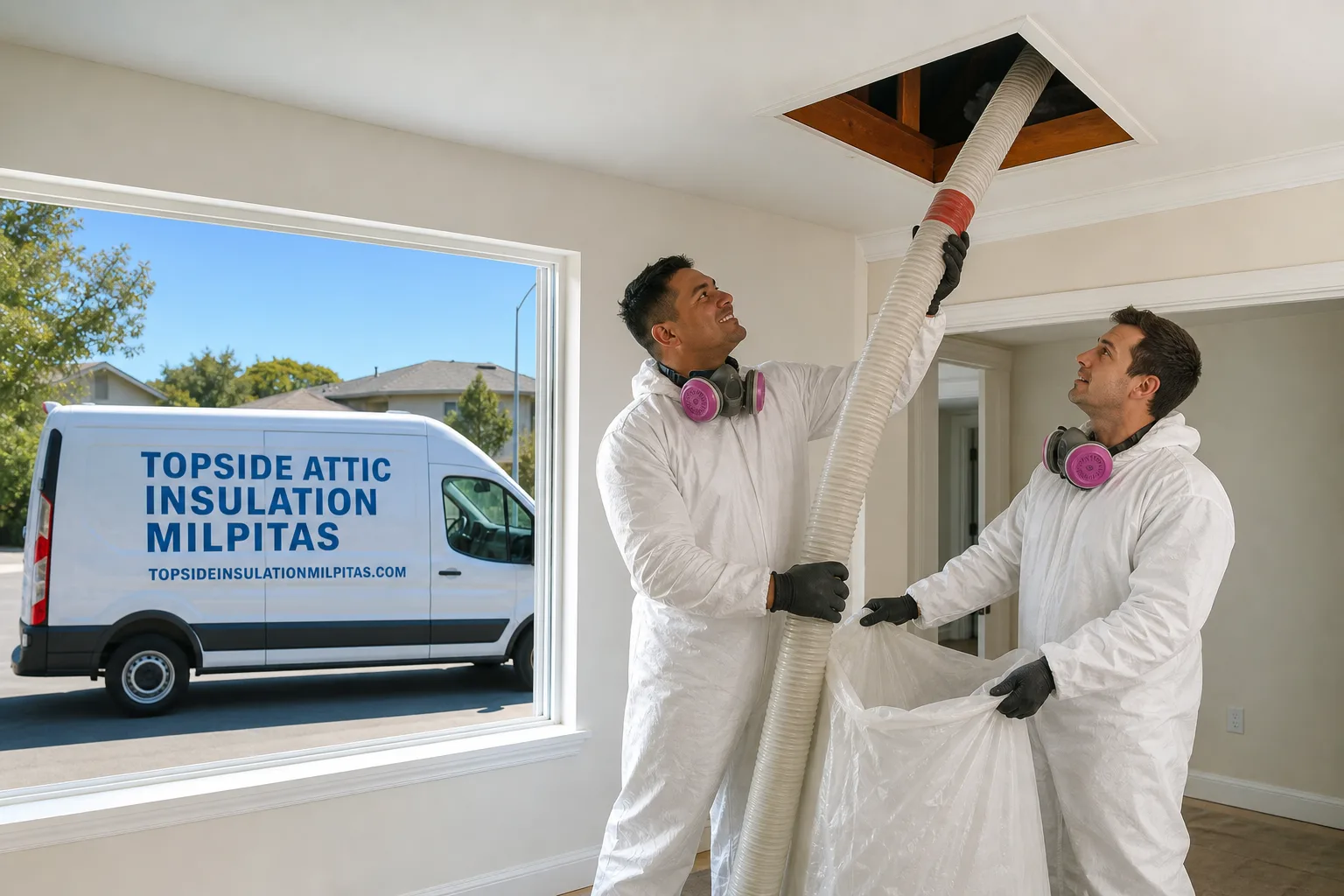
How Much Does a Home Energy Audit Cost in Milpitas?
A home energy audit in Milpitas, CA typically costs between $250 and $600 for a standard blower-door-based assessment of a single-family home. Most homeowners in Milpitas pay around $350-$450 when the audit includes a blower-door test, thermal imaging, and a written report with prioritized recommendations. If you qualify for a utility-sponsored audit through PG&E’s rebate programs, you may pay significantly less – sometimes nothing out of pocket.
Home Energy Audit Cost Breakdown (2026)
A home energy audit in Milpitas is not a single service – it’s a sequence of diagnostic steps, and the price reflects how many of those steps are included. Here’s how the line items break down for the Milpitas market in 2026:
| Audit Component | Typical Cost Range | Notes |
|---|---|---|
| Basic walk-through audit (visual inspection only) | $100 - $200 | No blower-door test; limited diagnostic value |
| Standard blower-door test + written report | $250 - $400 | Most common entry point for Milpitas homeowners |
| Blower-door + thermal imaging camera scan | $350 - $500 | Identifies hidden air leaks behind drywall and at top plates |
| Full diagnostic audit (blower-door, thermal, combustion safety, HVAC assessment) | $450 - $650 | Appropriate for older Milpitas tract homes with gas appliances |
| Utility-rebate-qualifying audit (PG&E programs) | $0 - $150 after rebate | Eligibility varies; income-qualified programs may cover 100% |
| Add-on: duct leakage test (duct blaster) | $75 - $150 | Highly recommended for Milpitas homes with central forced-air systems |
| Add-on: written remediation scope with contractor-ready specs | $50 - $100 | Useful if you’re getting multiple bids on insulation or air sealing work |
For a typical 1,400-2,200 sq ft single-family home in Milpitas – the kind of rancher or two-story tract home common in Sinnott, Sunnyhills, and the neighborhoods near Calaveras Boulevard – a complete blower-door-plus-thermal-imaging audit lands most homeowners in the $350-$500 range. Larger homes or homes with complex HVAC configurations push toward the top of that band.
What drives the number down: homes that are well-documented (you know the insulation type, HVAC age, and year of last major renovation) take less technician time. What drives it up: homes with attic access issues, multiple HVAC zones, or additions built at different times – which is common in Milpitas given the city’s development history from the 1960s through the 1990s – require more diagnostic time and occasionally a second blower-door setup point.
At Envelope Insulation Co., operated as Topside Attic Insulation Milpitas, the written price comes before any work starts – that’s Haven Standard Clause 1, no exceptions. You’ll know the exact dollar figure before the blower-door fan goes in the door frame.
What Affects Home Energy Audit Pricing in Milpitas
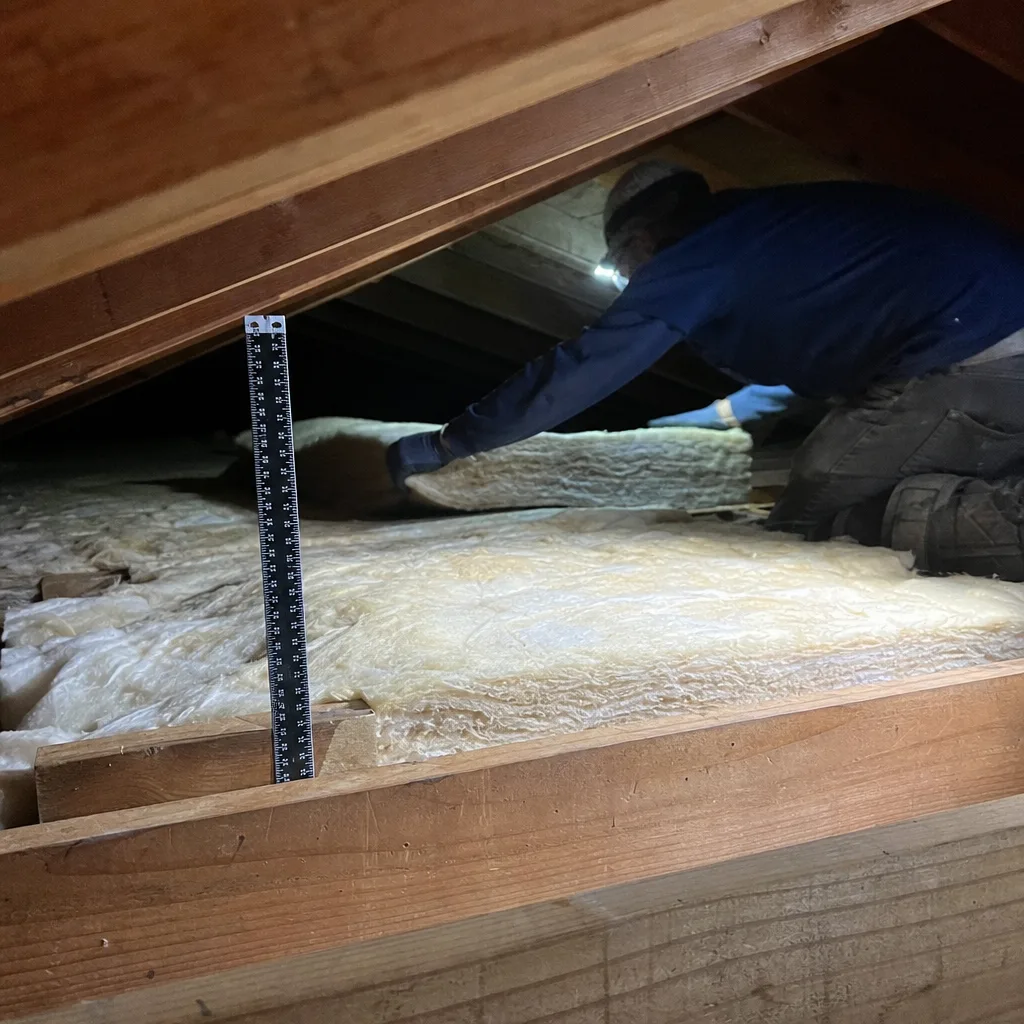
Six factors move the needle on what you’ll pay for a Home Energy Audit in Milpitas. None of them are guesswork once you know what to look for.
- Home size and story count. Blower-door test time scales with the volume of the building envelope. A 1,500 sq ft single-story home in the Ranch Road area takes less depressurization time than a 2,800 sq ft two-story near the Great Mall. Auditors typically price by square footage band, and most Milpitas homes fall into the 1,200-2,400 sq ft range that fits standard pricing.
- Age and construction era of the home. Milpitas has a lot of homes built between 1960 and 1985 – decades when air sealing wasn’t a construction consideration. These homes almost always show more complex leak pathways: open top plates, unsealed can lights, gaps at plumbing penetrations. That complexity doesn’t always raise the audit cost, but it does make the findings more detailed and the report longer.
- Diagnostic equipment included. A visual inspection costs less than a blower-door test. A blower-door test alone costs less than blower-door plus infrared thermal imaging. Thermal imaging – where the auditor scans walls and ceilings while the house is under negative pressure – reveals leak locations that no visual inspection can find. If an auditor quotes you $150 and doesn’t mention a blower-door test, you’re getting a walk-through, not a diagnostic.
- HVAC system complexity. Milpitas has a mild but variable climate: cool, foggy mornings from the Bay shoreline effect and warm afternoons that can push into the upper 80s in summer. Homes that have added mini-splits or supplemental heat pumps alongside older gas furnaces have more to evaluate. A combustion safety test – checking whether gas appliances are back-drafting carbon monoxide into the living space – adds time and cost but is worth it in any home with a gas furnace, water heater, or range.
- Utility program eligibility. PG&E’s Energy Upgrade California program and its income-qualified variants (CARE, FERA) can offset audit costs substantially. In Santa Clara County, income-qualified Milpitas homeowners have historically received audits at no cost under whole-home programs. Eligibility is based on household income relative to the Area Median Income for Santa Clara County – which sits notably higher than state averages, so the thresholds are also higher than you might expect.
- Whether the auditor also does the remediation work. Some contractors – Envelope Insulation Co. among them – perform audits as a precursor to insulation and air sealing work. When the audit is part of a larger project scope, the audit cost is sometimes credited toward the remediation. When you’re hiring an audit-only firm, you pay full diagnostic price with no offset. Neither arrangement is inherently better; it depends on whether you want fully independent findings or a single contractor who can move from diagnosis to repair without a handoff.
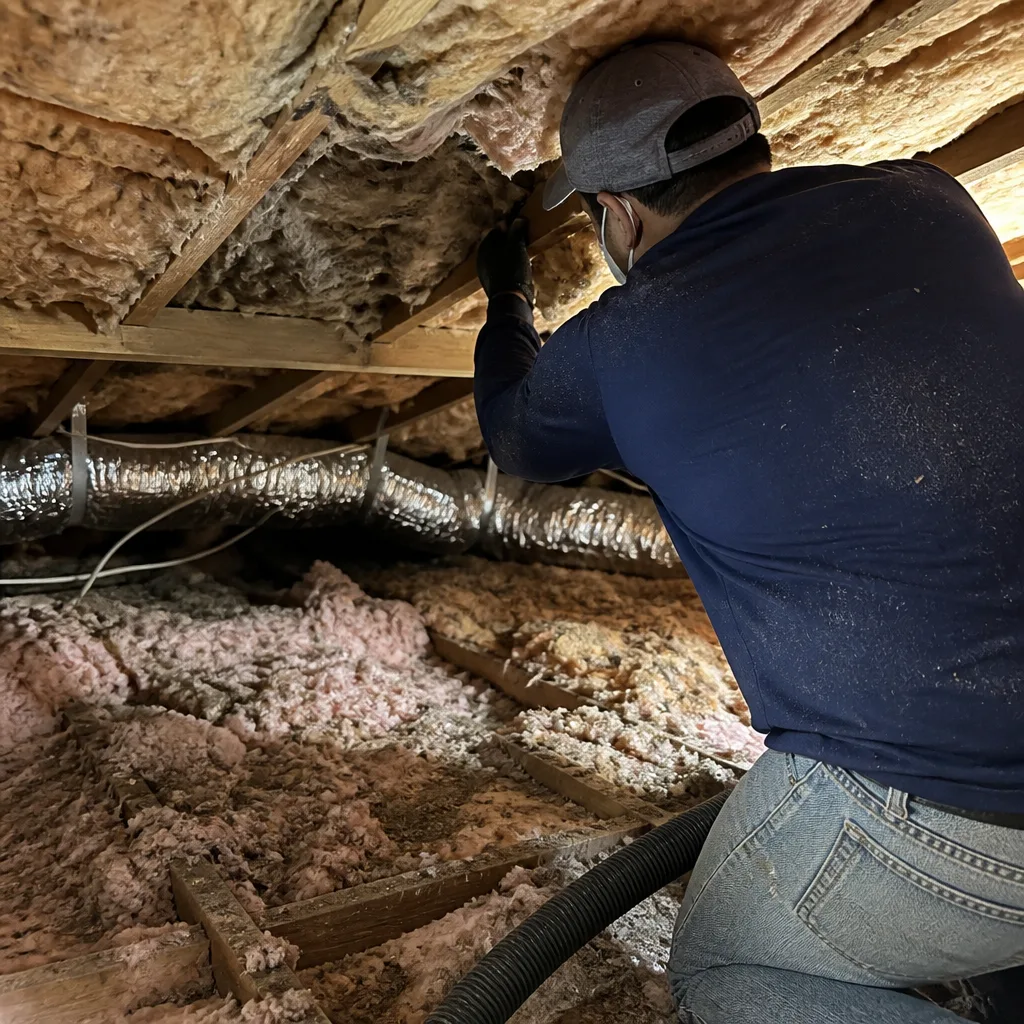 Before
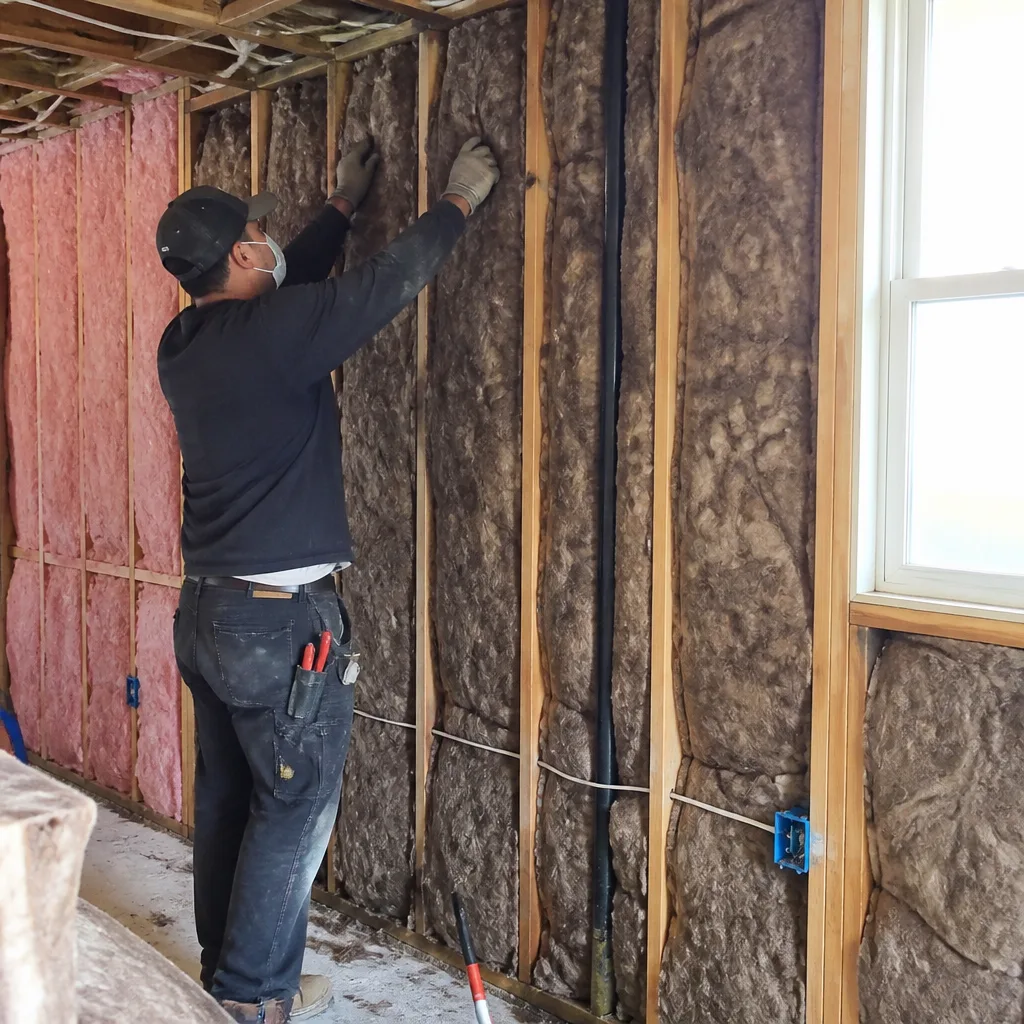 After
AfterWhat the Audit Actually Finds in Milpitas Homes
This section exists because a price guide that doesn’t explain what you’re paying for is only half the information you need.
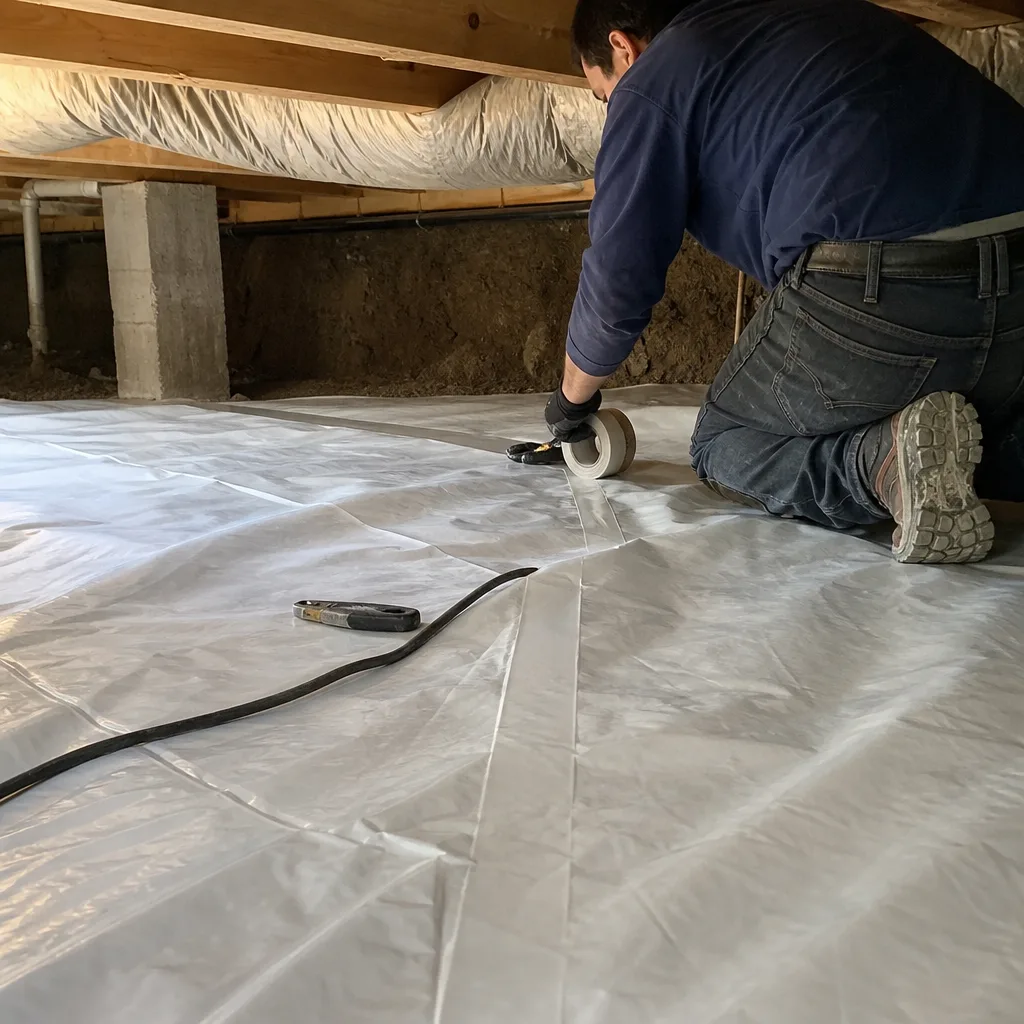
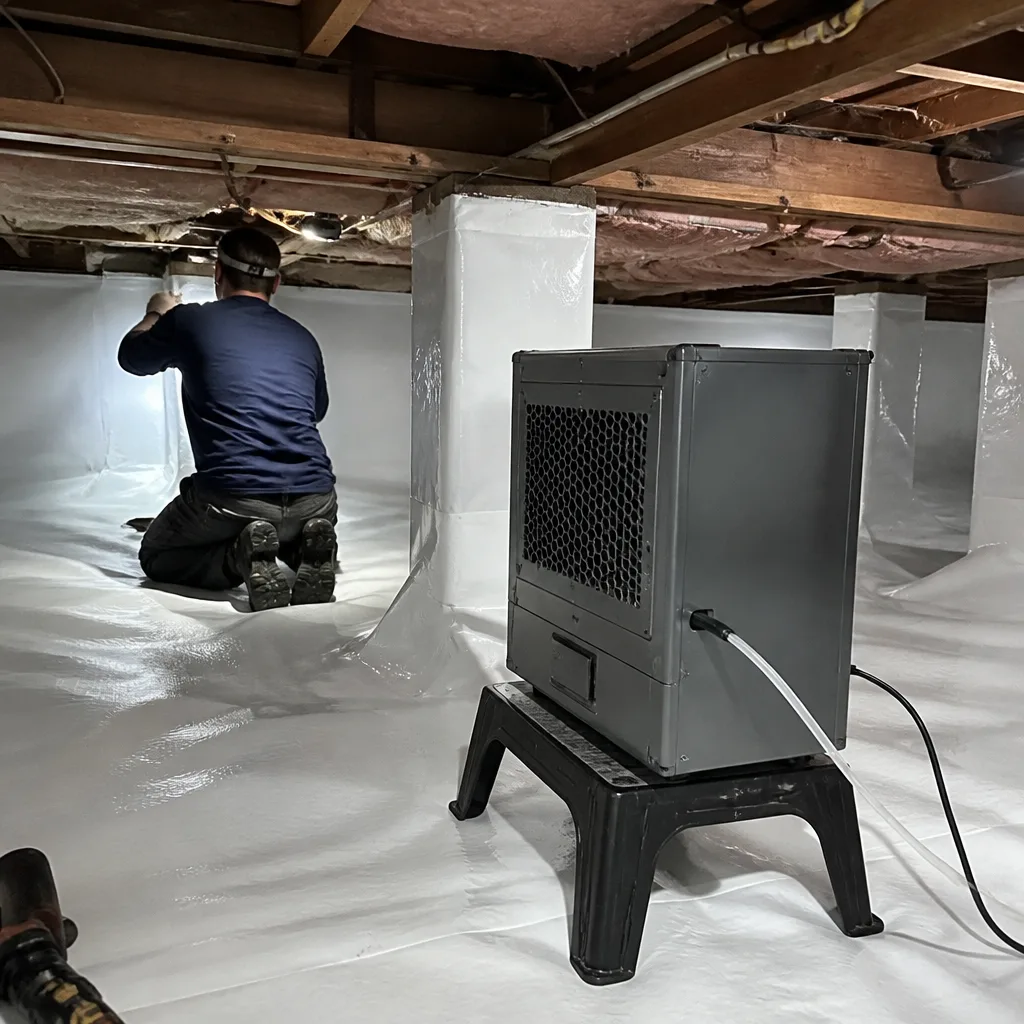
In Milpitas, the most common findings in homes built before 1990 are: attic floors with R-11 or R-19 insulation that has settled to an effective R-value in the single digits; top plates that were never sealed before insulation was blown over them; recessed can lights that are open to the attic and act as chimneys for conditioned air; and crawl spaces – in homes that have them, particularly in parts of Milpitas near Alviso and the lower elevations toward the Bay – that have deteriorated or absent vapor barriers.
The blower-door number tells you the severity. A test result of 3,500 CFM50 – cubic feet per minute of air moving through the envelope at 50 Pascals of pressure – on a 1,800 sq ft home in Milpitas is high. Post-remediation, a well-sealed version of that same home might test at 1,400-1,800 CFM50. That reduction represents conditioned air that stays inside in winter and stays outside in summer, which in Milpitas’s climate translates directly to lower PG&E bills and a house that holds its temperature longer after the HVAC cycles off.
We have documented this pattern repeatedly in Milpitas homes. In Sunnyhills, a 1968 ranch home tested at 4,100 CFM50 before air sealing. After sealing top plates, recessed lights, and attic penetrations – before any new insulation was added – the same home tested at 2,050 CFM50. The insulation went in second, on top of a sealed floor, not over an open one. That sequence matters. Insulation slows heat transfer. Air sealing stops air movement. They do different things, and doing them out of order wastes money on insulation that can’t perform as rated.
That’s the core of how Wes Okafor and the Envelope Insulation Co. team approach every job: seal first, then insulate. The audit is the diagnostic that tells you which sequence of work will produce the largest measurable result for the budget.
How to Save on a Home Energy Audit in Milpitas
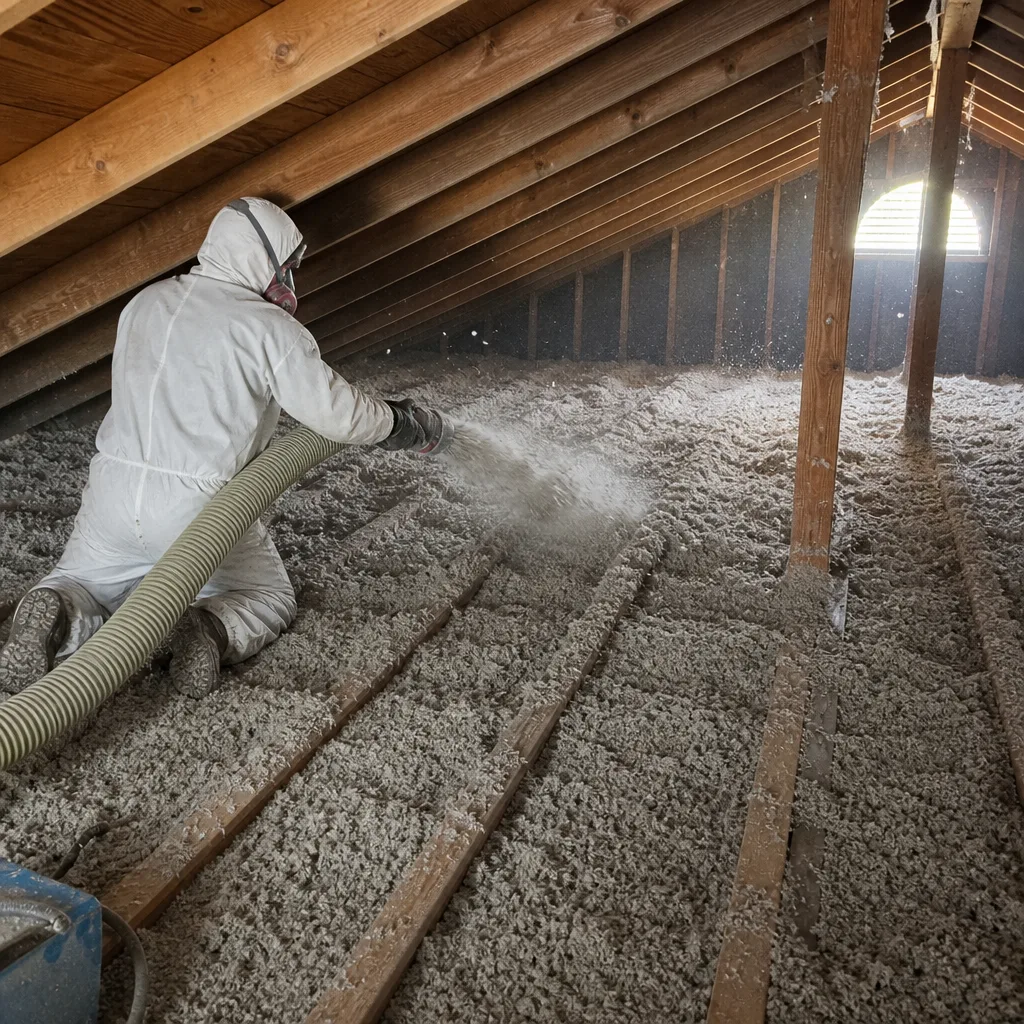
There are four real ways to reduce what you pay – not theoretical ways, but paths that Milpitas homeowners have actually used.
1. Check PG&E’s current rebate programs before scheduling anything. PG&E’s website lists active whole-home rebate programs that can cover part or all of an audit cost. The programs change annually – the 2026 versions have adjusted income thresholds relative to 2024 – so check the current listing rather than relying on what a neighbor paid two years ago. For income-qualified Santa Clara County residents, coverage can be close to complete.
2. Bundle the audit with remediation work. When Envelope Insulation Co. performs an audit as the first step of an air sealing and insulation project, the audit findings feed directly into the written remediation scope. That scope becomes the written price – flat, before any work starts – and in many cases the audit cost is credited toward the project. You’re paying for one mobilization, not two. Call (650) 770-8707 to find out whether your situation fits that model.
3. Have your home records ready. Knowing your home’s square footage, year built, insulation type (if you know it), HVAC model number, and any recent renovations shortens the pre-audit research time. A technician who arrives knowing the basics can spend more time on the building and less time documenting what’s already documented. That doesn’t always reduce the quoted price – which is set before the visit – but it makes the audit more productive.
4. Get a second opinion before accepting a remediation quote. If you’ve already received a written estimate from another contractor for insulation or air sealing work, bring it to Envelope Insulation Co. Under the Haven Standard, we offer a free second opinion on any written estimate. We’ll read it with you and tell you whether the scope makes sense – including whether air sealing is included as a prerequisite or treated as an optional add-on. That’s a real difference in a market where some contractors blow insulation without ever touching the air leaks underneath.
The Document You Walk Away With
A home energy audit is only worth what the report tells you. Here’s what a complete audit report from Envelope Insulation Co. includes:
- Pre-audit blower-door reading in CFM50, with the home’s estimated air changes per hour at natural pressure
- Thermal imaging findings, annotated by location (attic hatch, east wall, recessed lights in kitchen, etc.)
- Duct leakage test result if performed, in CFM25 to outside
- Combustion safety findings if applicable
- Prioritized list of recommended improvements, ordered by estimated energy impact – not by cost
- Documented photo record of every finding, included on every visit, not available on request
- If remediation work is scoped at the same time: the written price, written scope, and written warranty, all before any work begins
On jobs where air sealing and insulation work follows the audit, we provide post-remediation blower-door numbers as well. You’ll have a before number and an after number – both measured with the same equipment on the same home – so you can verify that the work produced a result. That’s not a marketing claim; it’s a measurement.
Milpitas Climate and Why an Energy Audit Matters Here Specifically
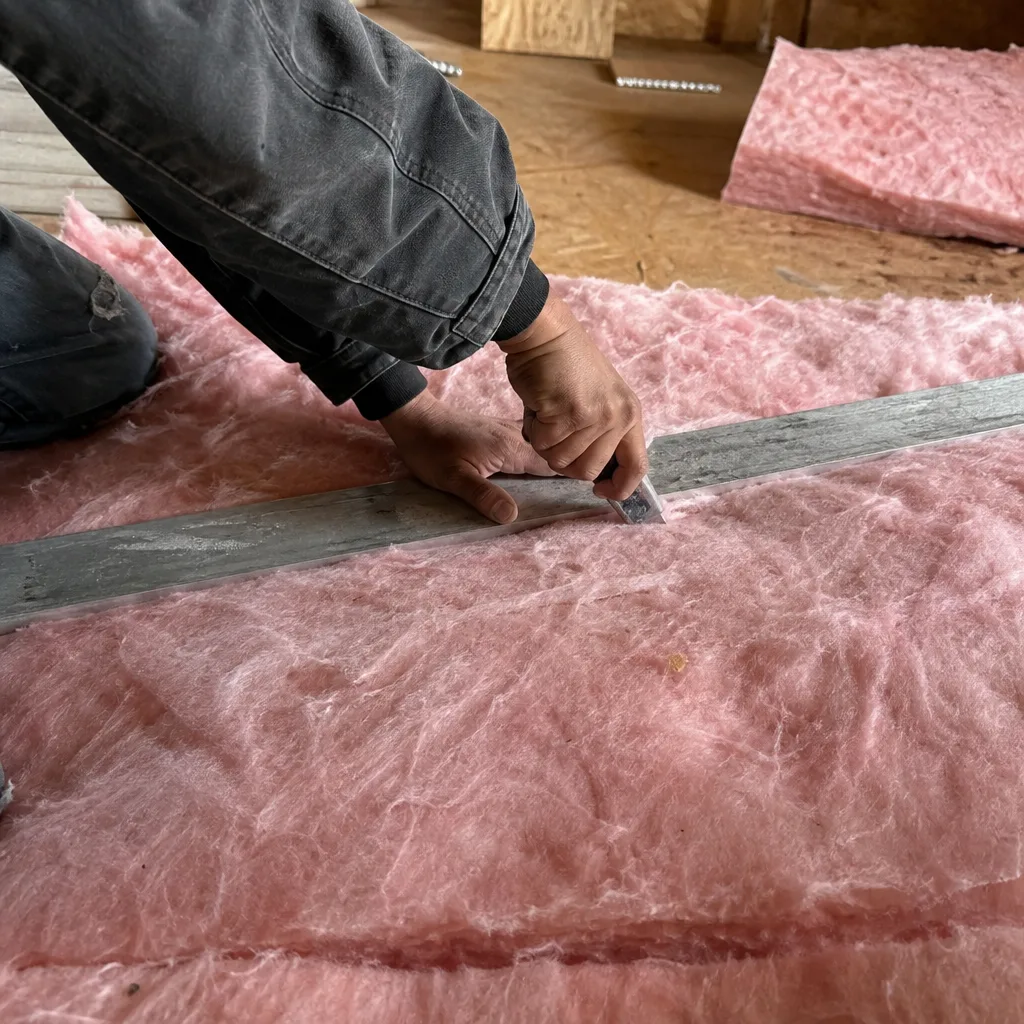
Milpitas sits in a geographic position that makes it more thermally variable than its mild Bay Area reputation suggests. The city is inland enough to escape the persistent summer fog that keeps San Jose’s western neighborhoods cool, and the Diablo Range to the east blocks the afternoon marine layer from arriving before 4 or 5 pm on most summer days. The practical result: Milpitas homes regularly see daytime highs in the mid-to-upper 80s from June through September, with nights that cool quickly into the 50s.
That swing – 30-plus degrees in a single day – puts constant pressure on building envelopes. A home that leaks air in winter loses heated air through the same pathways that let hot air in during August afternoons. The blower-door number doesn’t change by season; the penalty does, because you’re paying to condition air that’s escaping through gaps that were never sealed.
Homes in the lower elevations of Milpitas, particularly in the areas west of I-880 near the Alviso Slough, also deal with elevated moisture levels that accelerate vapor barrier degradation in crawl spaces. An audit that includes a crawl space inspection is worth more in those neighborhoods than in the drier hillside areas east of Interstate 680.
What “Sealed First, Then Insulated” Means for Your Audit Investment
This is worth explaining plainly, because it determines whether an audit recommendation is worth following.
Insulation resists heat transfer – the movement of heat through a material. Air sealing stops air movement – the convective bypass that allows conditioned air to escape around and through insulation. When attic insulation is blown over an unsealed floor, every open top plate, every can light penetration, and every plumbing chase continues to move air regardless of how many inches of blown cellulose sit on top of them. The insulation’s R-value is real, but it’s measured under laboratory conditions where there’s no air moving through it. In the field, unsealed penetrations degrade the effective thermal performance substantially.
Envelope Insulation Co. will not blow insulation over an unsealed attic floor. That’s not a policy position; it’s a sequencing standard. The audit identifies what needs sealing. The air sealing happens. The blower-door is re-run to verify the result. Then the insulation goes in. Wes Okafor has held to that sequence on every applicable job since 2016, and the before-and-after blower-door numbers on those jobs are the evidence that the sequence produces better results.
When you review an audit report and a subsequent remediation scope from any contractor, look at whether air sealing is listed as a prerequisite or as a line item you can skip to reduce cost. A contractor who treats it as optional is telling you something important about their approach.
FAQs – Home Energy Audit Cost in Milpitas
How much does a home energy audit cost in Milpitas in 2026?
Most Milpitas homeowners pay between $250 and $600 for a home energy audit, depending on what’s included. A standard blower-door test with a written report runs $250-$400. Add thermal imaging and the range shifts to $350-$500. Full diagnostic audits that include duct testing and combustion safety run $450-$650. PG&E rebate programs can reduce that cost to $0-$150 for qualifying homeowners. Call (650) 770-8707 and we can tell you, based on your home’s size and age, where your audit is likely to land before you schedule anything.
Is a home energy audit worth it in Milpitas?
For most Milpitas homes built before 1995, yes – the audit identifies remediation work that pays back in reduced PG&E bills within three to five years. In homes where the audit reveals significant air leakage (blower-door results above 2,500 CFM50 are common in pre-1985 Milpitas tract homes), the annual energy savings from air sealing alone often justify the audit cost within the first heating and cooling season. The audit’s value also depends on what you do with it: a report that sits in a drawer produces nothing; one that drives a sequenced air sealing and insulation project produces a measurable, documented result.
Can I get a free home energy audit in Milpitas through PG&E?
PG&E’s current programs in 2026 include whole-home assessment options that can reduce or eliminate audit costs for income-qualifying Santa Clara County residents. The CARE and FERA programs set eligibility at income levels that are higher in Santa Clara County than the state average, so more households qualify than many homeowners expect. Check the current PG&E rebate listings directly, since program availability and rebate amounts change annually. We can also tell you what programs are currently active when you call (650) 770-8707 – we track these for our Milpitas customers regularly.
What does a home energy audit include?
A complete audit includes a blower-door test (a pressurization measurement that produces a single CFM50 number showing how much air your building envelope is losing), thermal imaging to locate air leaks behind surfaces, a duct leakage test if your home has a forced-air system, and a written report prioritizing recommended improvements. Lower-cost audits often omit the blower-door test entirely – those are visual inspections, not diagnostic audits. At Envelope Insulation Co., every audit closes with a documented photo record and, if remediation work is scoped, a written price before any work starts.
How is a home energy audit different from an HVAC inspection?
An HVAC inspection evaluates equipment – the furnace, air handler, condenser, and associated controls. A home energy audit evaluates the building envelope: walls, attic, crawl space, windows, doors, and the junctions between them. Both are useful; they answer different questions. An HVAC inspection tells you whether your equipment is running correctly. A home energy audit tells you whether the air your equipment conditions is staying in the house. In Milpitas homes where the equipment is fine but the utility bills remain high, the culprit is usually the envelope – and a blower-door test will quantify exactly how much the envelope is costing you each month.
Key Takeaways
- Home energy audits in Milpitas, CA run $250-$600 in 2026, with most homeowners paying $350-$450 for a blower-door test plus thermal imaging and written report.
- PG&E rebate programs can reduce that cost to near zero for income-qualifying Santa Clara County residents.
- Homes built before 1985 in Milpitas – particularly in Sunnyhills, Sinnott, and areas near Calaveras Boulevard – almost always show significant air leakage on blower-door testing.
- A visual walk-through is not the same as a blower-door-based diagnostic audit. The price difference reflects a real difference in what you learn.
- At Envelope Insulation Co., operating as Topside Attic Insulation Milpitas: air sealing comes before insulation, written price before any work starts, and before-and-after blower-door numbers on every applicable job.
- Wes Okafor and the team have documented this sequence across 9,000-plus homes sealed and insulated since 2016.
- The 365-Day Done Right Promise applies to all completed work: if it’s not done right, we make it right.
Ready to Schedule Your Home Energy Audit in Milpitas?
If you’re trying to figure out why your PG&E bills are high or whether your home is ready for new insulation, start with the audit. It gives you numbers – not opinions – and a prioritized list of what to fix first. For Milpitas homeowners, that’s usually a combination of attic air sealing and insulation that would have been done in the right order had building codes in the 1970s required it. They didn’t. That’s what we’re correcting now.
Under Haven Standard Clause 1, you’ll have a written price before any work starts. Call (650) 770-8707 to get an estimate for your specific home – size, age, and current setup – and we’ll tell you exactly what your audit will include and what it will cost before we schedule anything. A live person answers every call. No voicemail loops, no callback windows measured in business days.
If you have a written estimate from another contractor, bring it. The free second opinion is there for exactly that reason.
Pricing reflects the Milpitas market as of 2026. Topside Attic Insulation Milpitas offers free estimates – call (650) 770-8707.
Written by Wes Okafor, Owner at Envelope Insulation Co. (operating as Topside Attic Insulation Milpitas), serving Milpitas since 2016.
What Our Customers Say
"They photographed rodent damage in the old insulation that we had no idea about, and priced the exclusion work separately so we could decide."
- Harriet N."Crawl space encapsulation done properly. Photographs of the vapour barrier at every seam, and the damp smell in the hallway is gone."
- Ainsley P."Turned up on time, protected the hallway, and the written scope matched what was actually done."
- Bruno S.