
Icynene Crawl Space Encapsulation: The Milpitas Owner’s Guide
We stock and install Icynene-compatible crawl space encapsulation systems in Milpitas, with most complete jobs running $3,800 to $6,500 depending on square footage and whether the foundation walls need closed-cell foam in addition to the vapor barrier. Same-day assessments are available, and we carry Icynene-compatible materials on our trucks for most common Milpitas crawl space footprints. Homeowners usually discover a problem when they notice musty odors rising through floor registers, see insulation drooping between joists from moisture weight, or find their dehumidifier running non-stop through Milpitas winter rains without ever reaching set humidity.
Which Icynene Models This Applies To
Icynene does not sell crawl space encapsulation as a single branded kit. The name refers to the open-cell and closed-cell spray foam lines (Icynene Classic Plus, Icynene ProSeal, and the Icynene MD-R-200 series) that contractors pair with polyethylene vapor barriers, drainage matting, and mechanical dehumidification to form a complete encapsulation system. If your crawl space was encapsulated by a prior contractor using Icynene foam, the identifying marks are usually on the foam itself: a yellowed or cream-colored tag stamped into the cured surface near the access hatch, or a documentation sticker on the rim joist with the install date and product series.
The critical compatibility gotcha in Milpitas is foundation type. Homes north of Calaveras Boulevard, particularly the 1960s and 1970s tracts near the Great Mall corridor, often have stem-wall foundations with irregular interior footings. Icynene ProSeal, a medium-density closed-cell foam, is rated for direct ground-contact on foundation walls in these applications. Classic Plus, the open-cell line, is not. We have seen homeowners in the Serra neighborhood pay for re-encapsulation after a prior contractor used open-cell foam below grade, where it absorbed ground moisture and degraded within four years. The fix required stripping the failed foam, drying the walls with desiccant heaters, and reapplying ProSeal at 2 inches minimum thickness. For vapor barriers, we stock 12-mil and 20-mil reinforced polyethylene in 10-foot and 12-foot widths to match most Milpitas crawl space spans without field seaming, which is where most DIY and cut-rate jobs leak.
Signs Your Icynene Crawl Space Encapsulation Is Failing
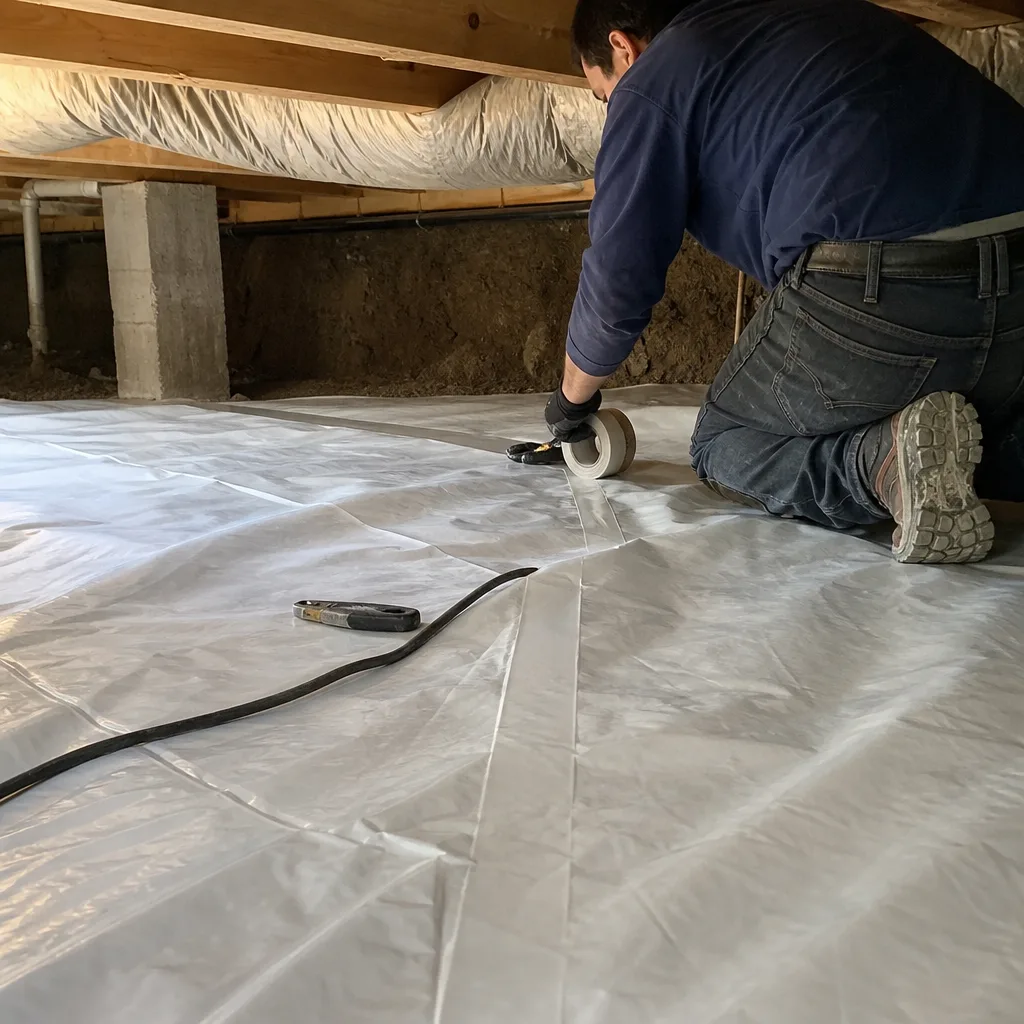
- Musty or earthy smell that worsens after rain. Milpitas sits in a natural drainage channel between the Diablo Range and the Bay, and winter storms push groundwater levels up fast. If your vapor barrier has punctures or the wall foam has separated at the sill plate, that moisture evaporates directly into your floor system. The smell is mold metabolites, not just dampness, and it means the encapsulation seal is breached.
- Insulation falling or sagging between joists. When relative humidity in a crawl space climbs above 70 percent, fiberglass batts absorb moisture and the binding adhesive fails. The weight pulls the batts down onto the vapor barrier or the ground. This is common in Milpitas homes where the original encapsulation did not include a dehumidifier or where the existing unit failed and was never replaced.
- Dehumidifier running constantly without reaching setpoint. A properly sized dehumidifier in a sealed crawl space should cycle. If yours runs 20-plus hours daily, the space is not sealed. The usual culprits are gaps at the access door, untaped seams in the vapor barrier, or foam that pulled away from the rim joist during a hot summer day when the wood expanded and contracted.
- Floor registers blowing noticeably cooler air in winter. This means your crawl space is effectively outside. Unsealed rim joists and missing or degraded foam create thermal bypasses that pull conditioned air down through wall cavities and out through the crawl space. Your heating system works harder, and your first-floor rooms stay uneven in temperature.
- Pest activity or rodent droppings on the vapor barrier. A sealed crawl space should be inhospitable to rodents. If they are present, there is an entry point: a vent that was not permanently sealed, a missing access door gasket, or a gap where the foam meets the foundation wall. Rodents will also chew through thin vapor barrier material, creating new breach points.
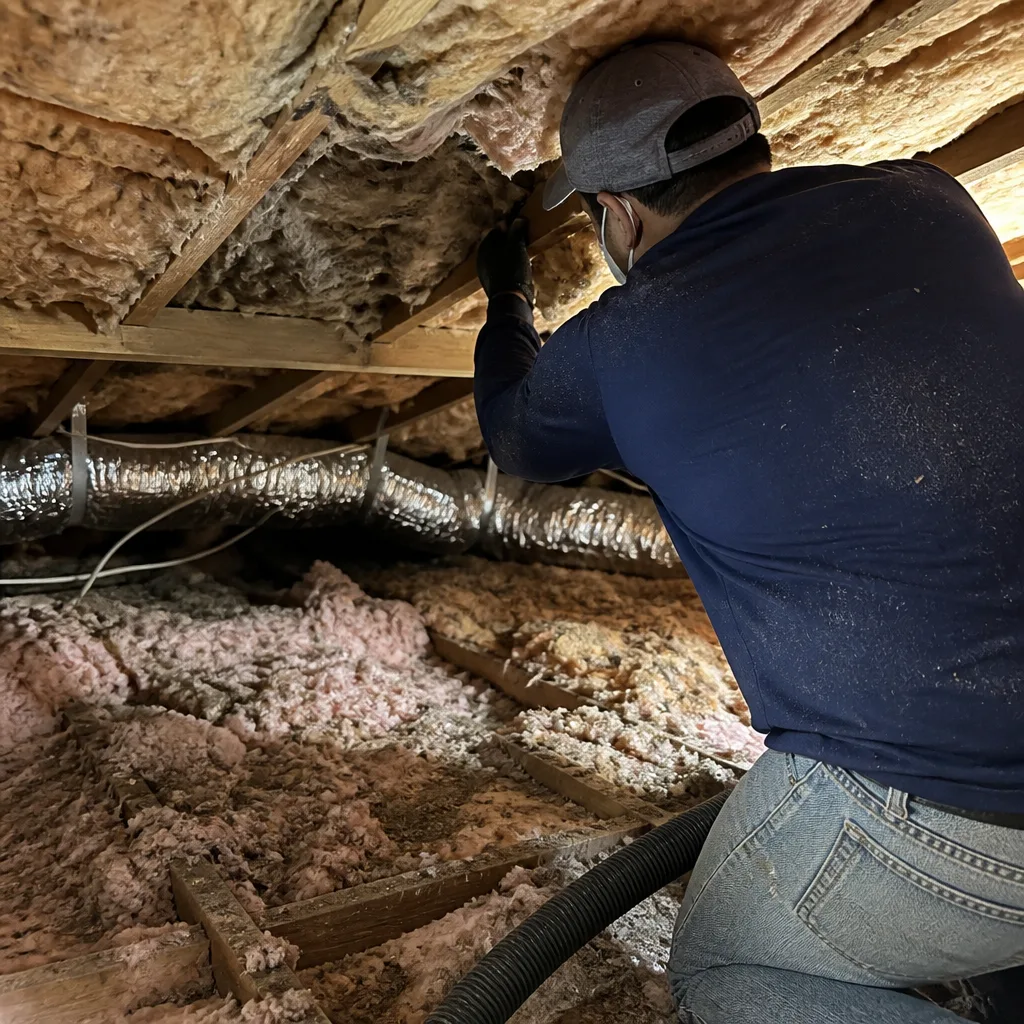 Before
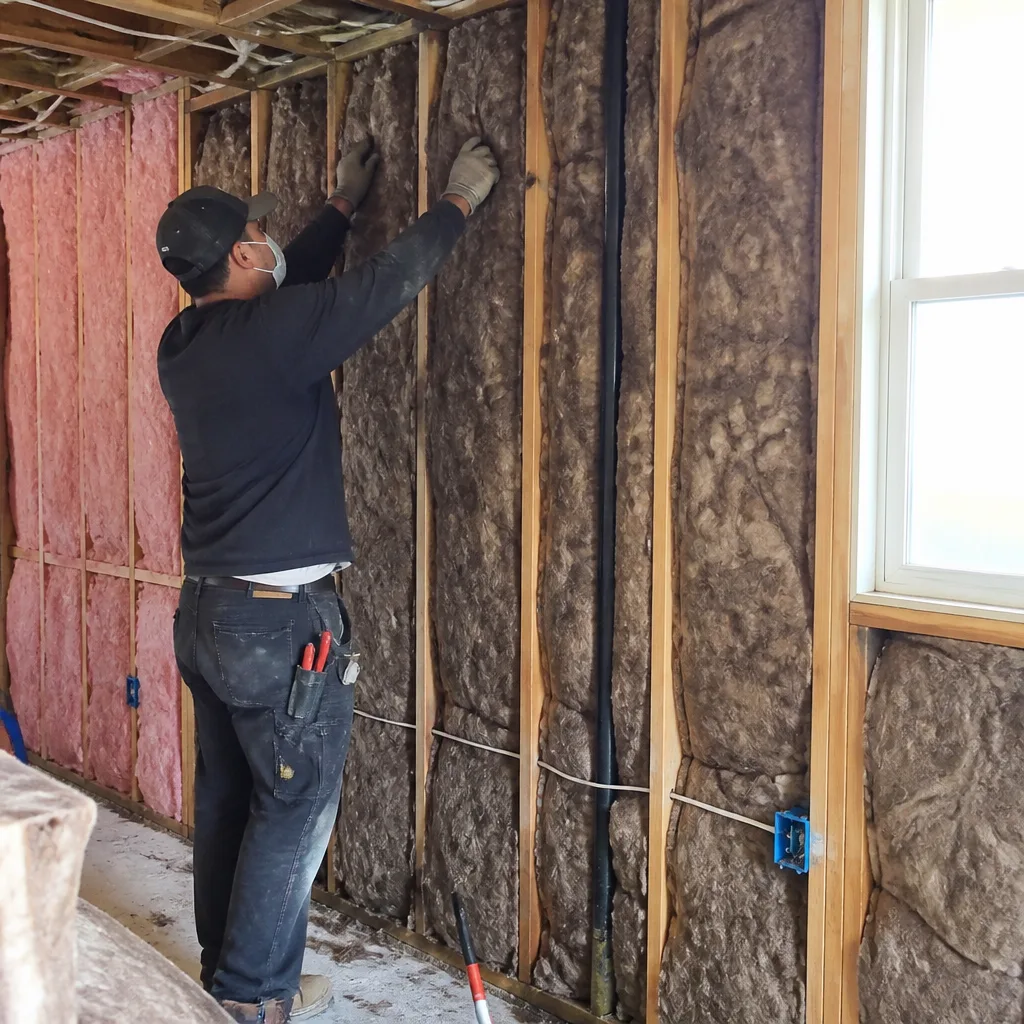 After
AfterReplacement Cost & What’s Included
Complete Icynene-compatible crawl space encapsulation in Milpitas typically runs $3,800 to $6,500 for crawl spaces between 800 and 1,400 square feet, which covers most single-story homes in the Milpitas Manor and Parktown neighborhoods. The low end assumes a straightforward rectangular footprint with good drainage, existing block walls in sound condition, and no active mold remediation needed. The high end includes irregular foundations requiring hand-cutting foam around piers, a dedicated dehumidifier with condensate pump to the exterior, and 20-mil vapor barrier with woven reinforcement for durability during future service access.
| Component | Typical Range |
|---|---|
| Vapor barrier (12-mil reinforced, installed) | $1.20-$1.80/sq ft |
| Vapor barrier (20-mil reinforced, installed) | $1.60-$2.40/sq ft |
| Icynene ProSeal closed-cell foam, foundation walls | $3.50-$5.00/board foot |
| Mechanical dehumidifier with condensate pump | $1,200-$2,400 |
| Access door upgrade (sealed, insulated) | $280-$450 |
| Full encapsulation, typical Milpitas crawl space | $3,800-$6,500 |
Every job includes a written scope and written warranty before work starts, per Haven Standard Clause 1. We also provide a Documented Photo Record of the completed encapsulation, and on jobs where we perform attic air sealing simultaneously, before-and-after blower-door numbers so you can verify the whole-envelope result. Topside Attic Insulation Milpitas is an independent service provider, not affiliated with Icynene. We source Icynene materials through authorized distribution and also stock compatible alternatives from Demilec and Johns Manville where specifications overlap.
DIY or Call Us?
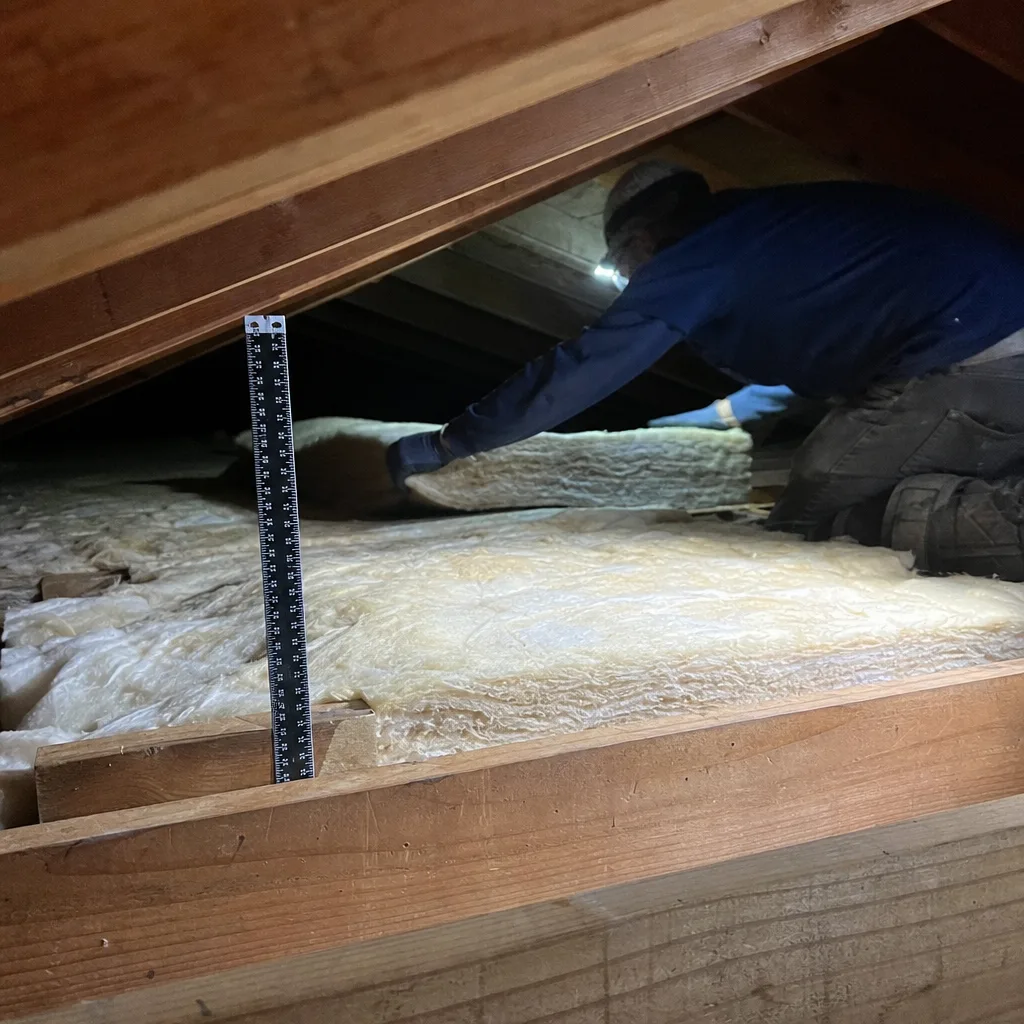
There is no high-tension danger in crawl space encapsulation, but there are genuine hazards homeowners underestimate. Milpitas crawl spaces built before 1990 often have asbestos-containing duct wrap, knob-and-tube wiring still live, or insufficient clearance to work without disturbing structural supports. We have found active gas leaks in three Milpitas homes this year alone, detected only because our crews carry combustible gas indicators as standard practice.
What you can safely check: verify your dehumidifier is set to 55 percent relative humidity and that its filter is clean. Look for obvious tears in the vapor barrier near the access hatch. Confirm the access door closes tight and the gasket is intact. What goes wrong with DIY: untaped seams in the vapor barrier that look fine from above but leak at the folds; foam applied over damp concrete that delaminates within a season; and the critical error of insulating before sealing, which traps moisture against structural members. The R-value on the bag means nothing if the air is still moving through the wall - seal first, then insulate. If your inspection reveals degraded foam, standing water, or anything that looks like mold, call us at (650) 770-8707. We will read your situation with you and give you a written price before any work starts.
FAQs
Properly installed closed-cell foam and reinforced vapor barrier should perform for 20 to 25 years in Milpitas, though the dehumidifier will need replacement at 8 to 12 years depending on run hours. The specific lifespan risk here is the winter groundwater surge; encapsulations in homes near Zanker Road with poor exterior drainage sometimes see vapor barrier wear at seams from hydrostatic pressure pushing up from below. We inspect drainage as part of every encapsulation assessment. Call (650) 770-8707 if you want us to check yours - estimates are free.
Partial repair is viable if the failure is localized: a single torn vapor barrier section, a detached foam run at one rim joist, or a failed dehumidifier. We do not recommend patching over degraded open-cell foam that has absorbed moisture, because the trapped water continues to damage adjacent materials. In those cases, selective removal and reapplication of closed-cell foam is the only repair that lasts. We will tell you straight which category your crawl space falls into after we see it.
Most complete encapsulations in Milpitas take two to three days: one day for prep and any necessary remediation, one day for foam application and vapor barrier installation, and a partial third day for dehumidifier commissioning and final seam inspection. Homes with active mold issues or extensive pest damage may add a day for treatment and drying. We do not rush the cure time on closed-cell foam; it needs to be fully set before we tape seams over it.
We carry Icynene-compatible closed-cell foam, vapor barriers in multiple widths and mils, and dehumidifiers on our Milpitas-based trucks. For specific Icynene series colors or densities from prior installations, we may need 24 to 48 hours to match from distribution. We also stock Reflectix and other compatible brands if your repair does not require exact color matching. Same-day assessment is available; call (650) 770-8707 to schedule.
Written by Wes Okafor, Owner, Topside Attic Insulation Milpitas at Topside Attic Insulation Milpitas, serving Milpitas and nearby areas.