
GreenFiber Spray Foam Insulation in Milpitas: What to Know First
We provide independent GreenFiber spray foam insulation service in Milpitas, with most jobs completed same-day and pricing put in writing before any work starts. Typical turnaround from call to crew on-site is 24-48 hours for standard requests, same-day for urgent air-leak or condensation issues. We’re not here to sell you a full re-insulation job if a targeted GreenFiber repair will solve the problem.
This page is for Milpitas homeowners who have GreenFiber insulation in their attic, walls, or rim joists and need spray foam added, repaired, or upgraded. That includes open-cell and closed-cell applications, garage ceiling retrofits, and roof deck work in neighborhoods from the Berryessa district to the townhomes near the Great Mall. If you’re seeing drafts, moisture on the foam surface, or gaps where the original application missed, call (650) 770-8707 for a free written estimate.
How GreenFiber Products Fail - and How We Fix Them
- GreenFiber Allbor Cellulose settled below top plates in Milpitas attics. The loose-fill product compresses over years of Santa Clara Valley heat cycling, leaving a thermal bypass at the wall-to-ceiling junction. We remove the settled material, air-seal the top plates with targeted spray foam, then re-blow to consistent depth. In a 1978 ranch near Calaveras Boulevard, we measured a 14°F surface temperature difference at that junction before the fix.
- GreenFiber Sanctuary open-cell spray foam shrinks away from studs in garage ceiling applications. The product is rated for interior use, but Milpitas garage ceilings see wider temperature swings than conditioned space. Shrinkage creates a 1/8-1/4 inch gap that nullifies the R-value. We cut back the failed section, apply a compatible closed-cell bond breaker, and re-foam with a product rated for the temperature range.
- GreenFiber Low Dust cellulose installed over unsealed can lights creates a chimney effect. The insulation itself is fine; the installation skipped the hard part. Hot Milpitas attic air pulls conditioned air upward through IC-rated housings that still leak 2-4 CFM each. We pull the cellulose back, seal every penetration with spray foam or fire-rated caulk as code requires, then replace the insulation.
- GreenFiber stabilized cellulose wicks moisture when roof deck ventilation is inadequate. Milpitas gets 15-19 inches of annual rainfall concentrated in winter, and older tile roofs with skipped skip-sheathing trap vapor. The borate-treated cellulose resists mold but not saturation. We diagnose the moisture source first, often adding baffles and spray foam at the eaves to establish a proper thermal boundary, then replace only what’s damaged.
- GreenFiber spray foam in rim joists fails at the sill plate in crawl spaces with seasonal groundwater. The foam separates from damp concrete or wood when vapor drive reverses in spring. We remove the failed foam, dry the substrate with temporary dehumidification, apply a closed-cell product with higher adhesion rating, and verify with a moisture meter before we leave.
Our GreenFiber Spray Foam Insulation Process
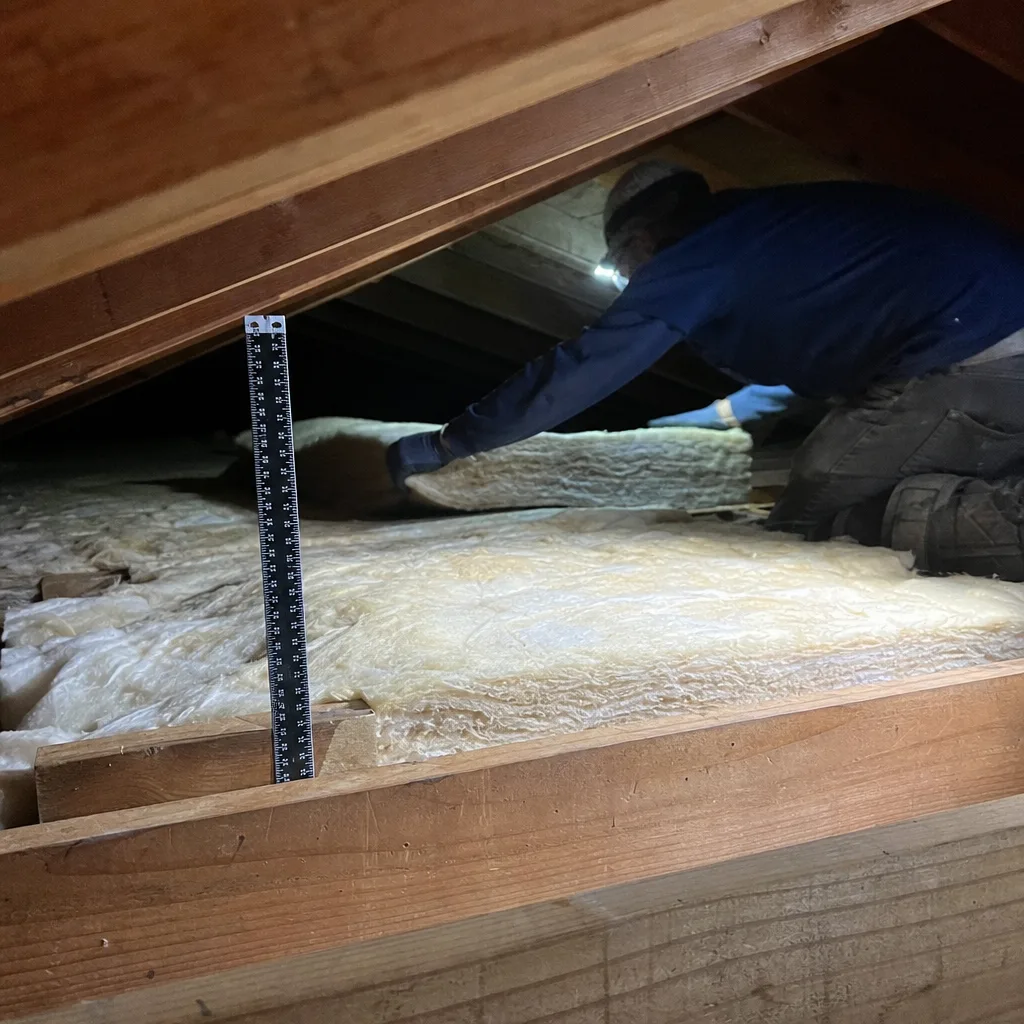
- 1
Call and scheduling. A live person answers, or you text. We ask what you’re seeing, when it started, and whether you have the original installation paperwork. We schedule a site visit with a named technician; you get a text when they’re en route.
- 2
On-site diagnosis and blower-door test. We pressurize the house and measure total air leakage in CFM50. For GreenFiber jobs, we also probe existing foam with a moisture meter and thermal camera to find shrinkage, delamination, or gaps the eye misses.
- 3
Written scope and price. Before any work starts, you get a flat price, a written scope of work, and a written warranty. This is Haven Standard Clause 1. No exceptions. If you have a competing estimate, we’ll review it with you free.
- 4
Air sealing first, then insulation. The R-value on the bag means nothing if the air is still moving through the wall - seal first, then insulate. We seal top plates, penetrations, and bypasses before adding or repairing any GreenFiber spray foam.
- 5
Application and real-time verification. Foam goes on at specified thickness, measured with a depth gauge while it’s tacky. For closed-cell, we verify pass thickness before the next lift. For open-cell, we check full cure the following day if the job spans two days.
- 6
Final blower-door test, documentation, and cleanup. We run the pressurization test again and hand you a printed before-and-after report. You also get a Documented Photo Record of the work area, and the crew leaves no debris behind. The 365-Day Done Right Promise starts when we finish.
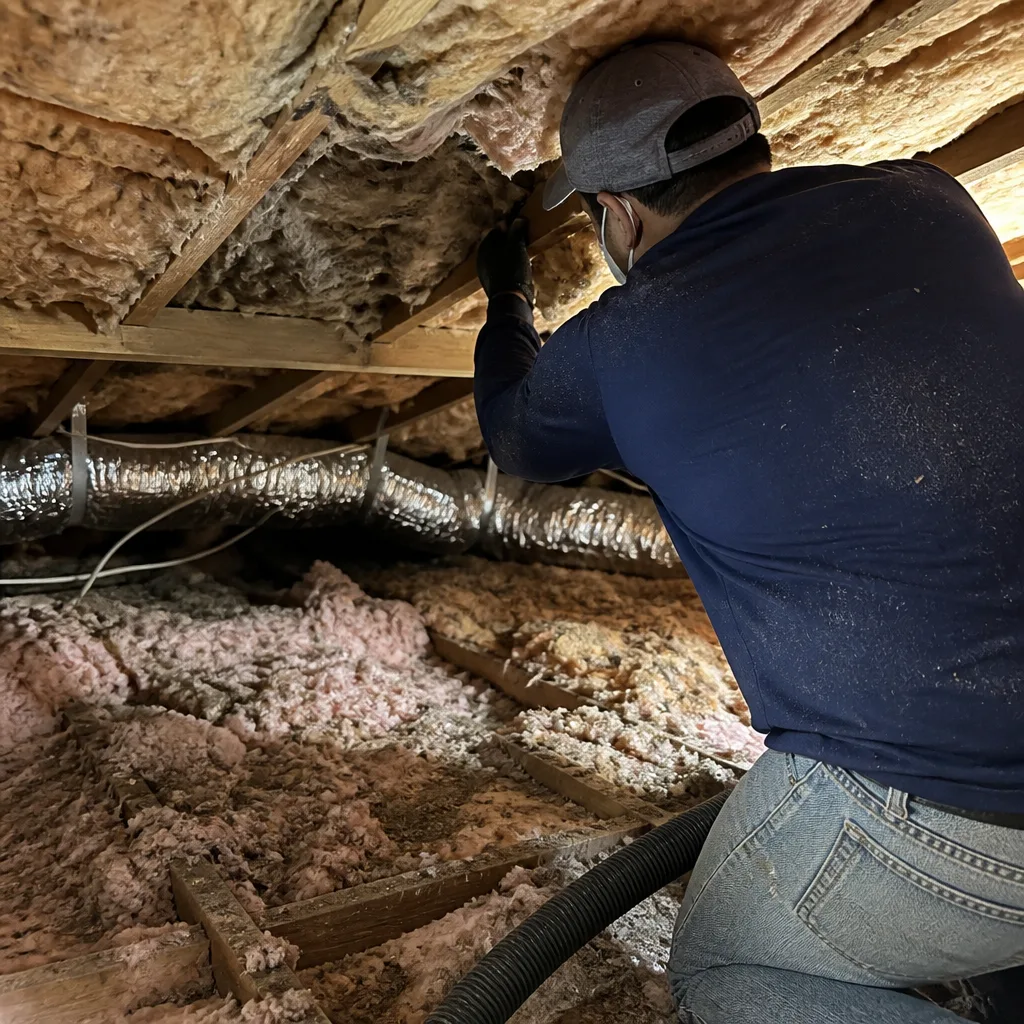 Before
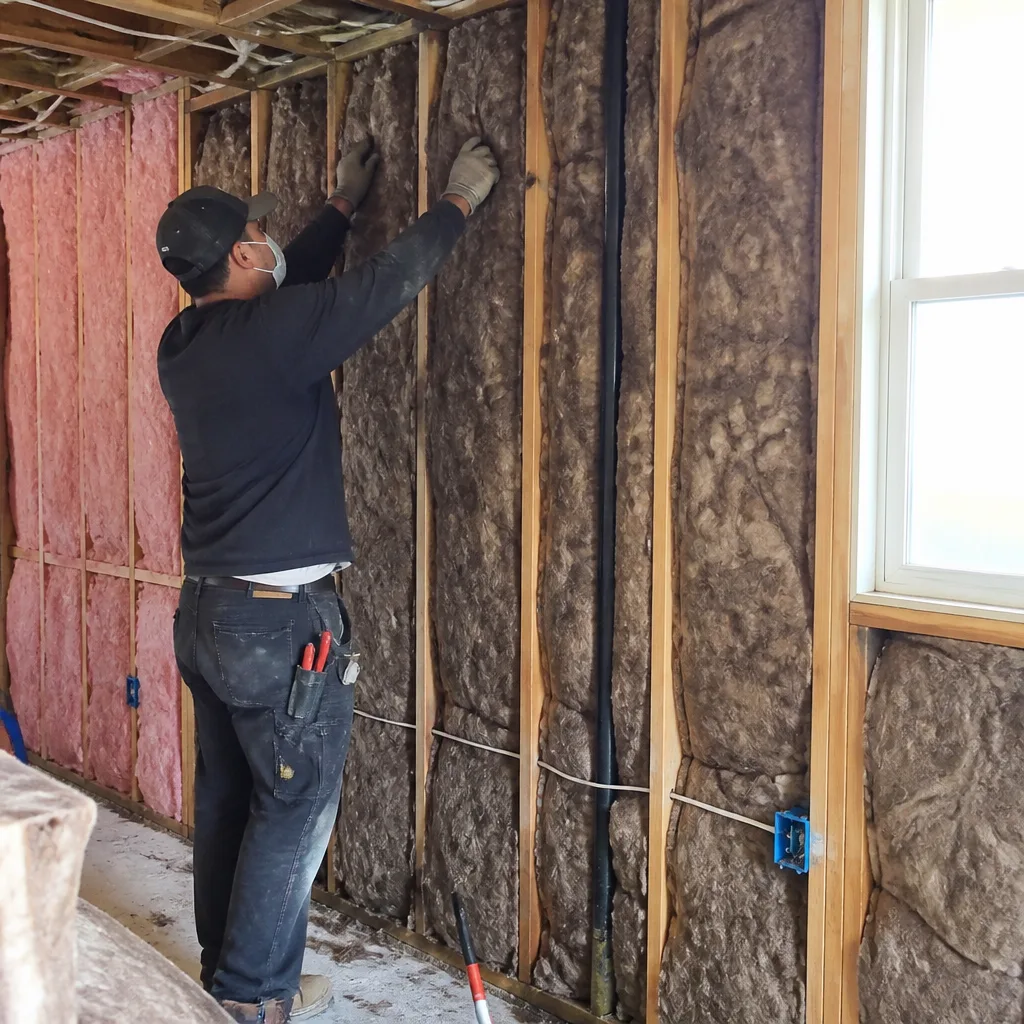 After
AfterWhat GreenFiber Spray Foam Insulation Costs in Milpitas
Most targeted GreenFiber spray foam repairs in Milpitas run between $1,200 and $2,800. A full attic air-seal and re-foam in a 1,400-2,000 square foot home typically falls between $3,500 and $6,500. Rim joist work in a standard crawl space runs $1,800-$3,400. Garage ceiling retrofits, which require more prep for fire separation, usually land at $2,200-$4,500.
What moves the price: accessibility (steep roof pitch or tight crawl space), how much failed material needs removal, whether the substrate is wet and needs drying time, and whether we find unsealed penetrations that should have been handled in the original install. We price for the work required, not the square footage alone.
Every estimate is free, written, and delivered before any work starts. Call (650) 770-8707 to schedule.
Why Milpitas Homeowners Call Topside Attic Insulation Milpitas for GreenFiber Work
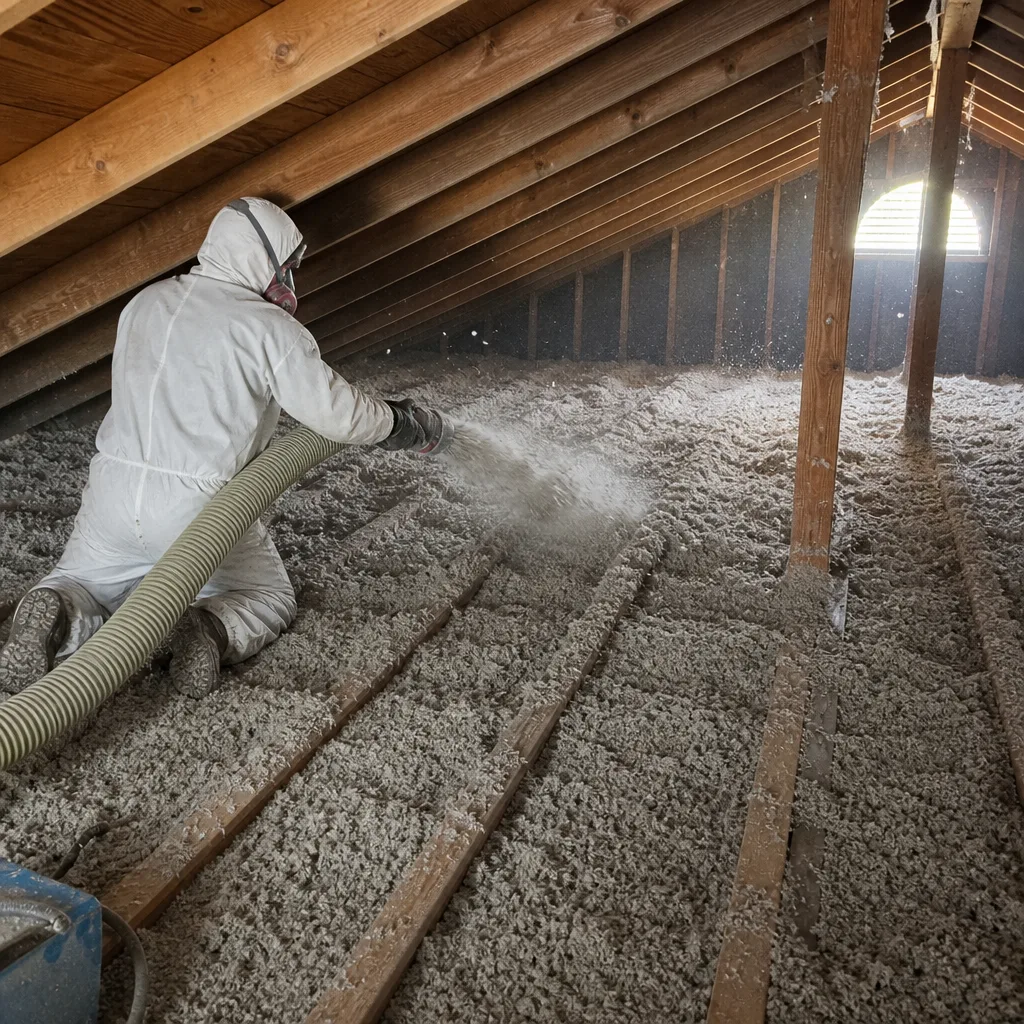
We’ve sealed and insulated over 9,000 homes since 2016, and a growing share of our Milpitas calls involve GreenFiber products installed by others that didn’t perform as expected. Wes Okafor, who learned air-sealing fundamentals at Olive-Harvey College in Chicago, runs crews who understand that GreenFiber’s borate-treated cellulose and spray foam lines each have specific compatibility requirements with other materials.
We don’t push proprietary products. Our materials come from Owens Corning, Johns Manville, Knauf, Rockwool, CertainTeed, Icynene, Demilec, and GreenFiber, plus Reflectix for radiant barrier applications where they make sense. If your GreenFiber repair needs a different brand’s foam to solve the problem correctly, we’ll tell you why and show you the data. The 365-Day Done Right Promise applies either way, and a live person answers the phone 24/7.
FAQs
No - GreenFiber’s warranty covers material defects, not installation or subsequent service by an independent provider. As an independent GreenFiber service provider, we document our work so you retain proof of what was original and what we added. Keep your original purchase records and our written scope together. Call (650) 770-8707 if you need help locating your original paperwork.
We source GreenFiber products when they’re the right match for the repair, but we also use compatible foams from Icynene, Demilec, and other manufacturers when the application demands different density, adhesion, or temperature rating. We explain the choice in your written scope before any material goes in. For a free second opinion on a quote specifying only one product, bring it to us.
Repair is usually 40-60% less than full removal and replacement, and it’s the right call when the existing material is dry, properly placed, and only needs targeted air sealing or foam supplementation. We recommend full replacement when there’s widespread moisture damage, pest contamination, or installation so poor that patching costs more than starting clean. We’ll tell you which side of that line your job falls on during the free estimate.
Most standard repairs are scheduled within 24-48 hours, and same-day service is available for active moisture intrusion or air leaks causing HVAC strain. Emergency calls get a live person immediately, not a callback queue. For a specific date, call (650) 770-8707 - we don’t hold slots with manufactured urgency, but spring and late fall do fill first.
You receive a written invoice matching your pre-work price, a Documented Photo Record of the completed area, and on applicable jobs, printed before-and-after blower-door readings showing the actual air-leakage reduction. This is standard on every visit, not available on request. Haven Standard requires that you know what you paid for and can verify it.
Written by Wes Okafor, Owner, Topside Attic Insulation Milpitas at Topside Attic Insulation Milpitas, serving Milpitas and nearby areas.