
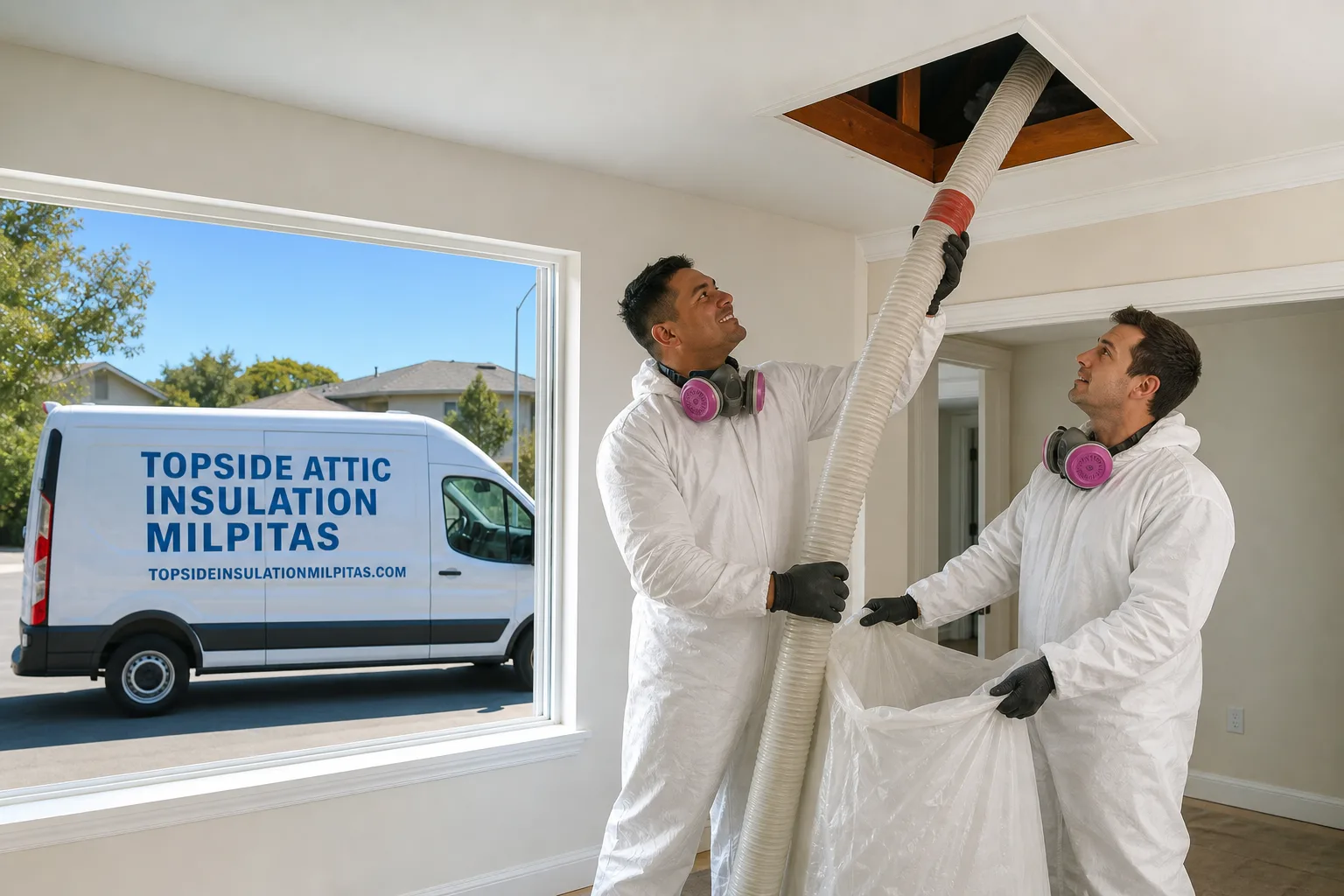
Fast, Reliable Blown-In Insulation Across East Foothills
Blown-in insulation in East Foothills typically runs $1.80-$3.20 per square foot depending on material and depth, with most full attic jobs falling between $2,400 and $5,800 for the hillside ranch homes that dominate this area. Our crews are dispatched from the San Francisco Bay Area office and carry Chapter 7A ember-resistant vent screening on every truck because East Foothills sits inside San Jose’s Very High Fire Hazard Severity Zone, a code layer flat-valley contractors rarely encounter. Call (650) 770-8707 and a live person will pick up, 24/7.
We’ve worked the sloped lots above Alum Rock Avenue, the postwar ranches along Mount Hamilton Road, and the daylight-basement homes tucked into the western Diablo Range foothills. The construction here is specific: raised foundations, garages built into downhill foundations, and roof planes that take direct afternoon punishment. That specificity matters because insulation installed without accounting for it fails faster and performs worse than no insulation at all.
Why Topside Attic Insulation Milpitas Is East Foothills’s Preferred Blown-In Insulation Company
Our reputation in East Foothills was built on one principle: we document what we find, we document what we fix, and we hand you the record before we leave. Homeowners here research thoroughly before calling, and they stay thorough once we’re on site. We’ve completed blown-in insulation jobs on more than 200 East Foothills properties since 2016, and our three-star reviews get read as carefully as our five-stars because that’s how people here make decisions.
Response time to East Foothills averages same-day or next-morning scheduling, with crews carrying materials from Owens Corning, GreenFiber, and Johns Manville so we’re not waiting on a delivery truck to start your job. Every technician is background-checked and uniformed, and you’ll get a text with a named technician when they’re en route. Under Haven Standard: Arrive on schedule, you get a named technician and a text when they are on the way.
What separates us from valley-floor contractors is field knowledge you can’t look up. We know which East Foothills ranches have the compressed 1-inch original batt that needs removal, not top-up. We know which sloped-lot configurations hide a garage ceiling that’s actually your living room floor. And we know the Chapter 7A vent screening that VHFHSZ inspectors will flag before they ever reach the insulation depth gauge.
Our Blown-In Insulation Services in East Foothills
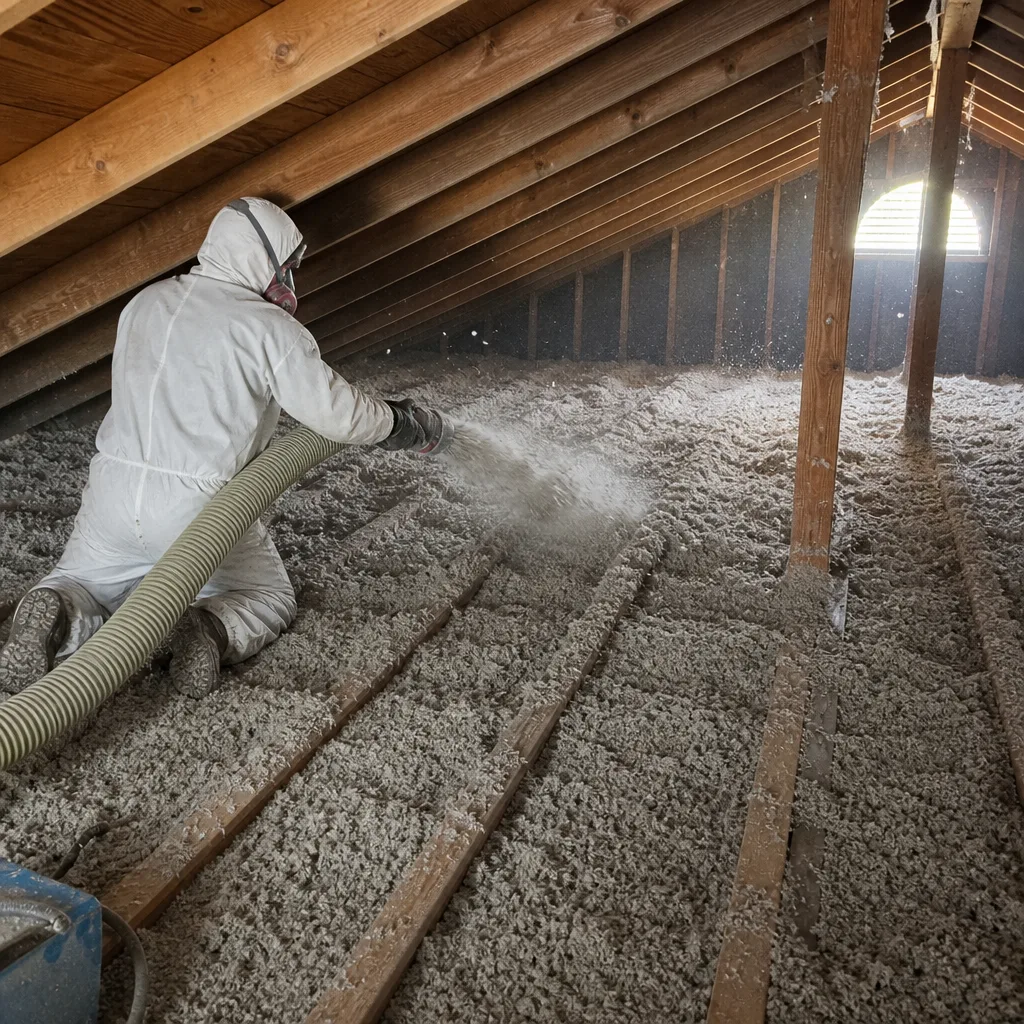
Blown-In Cellulose
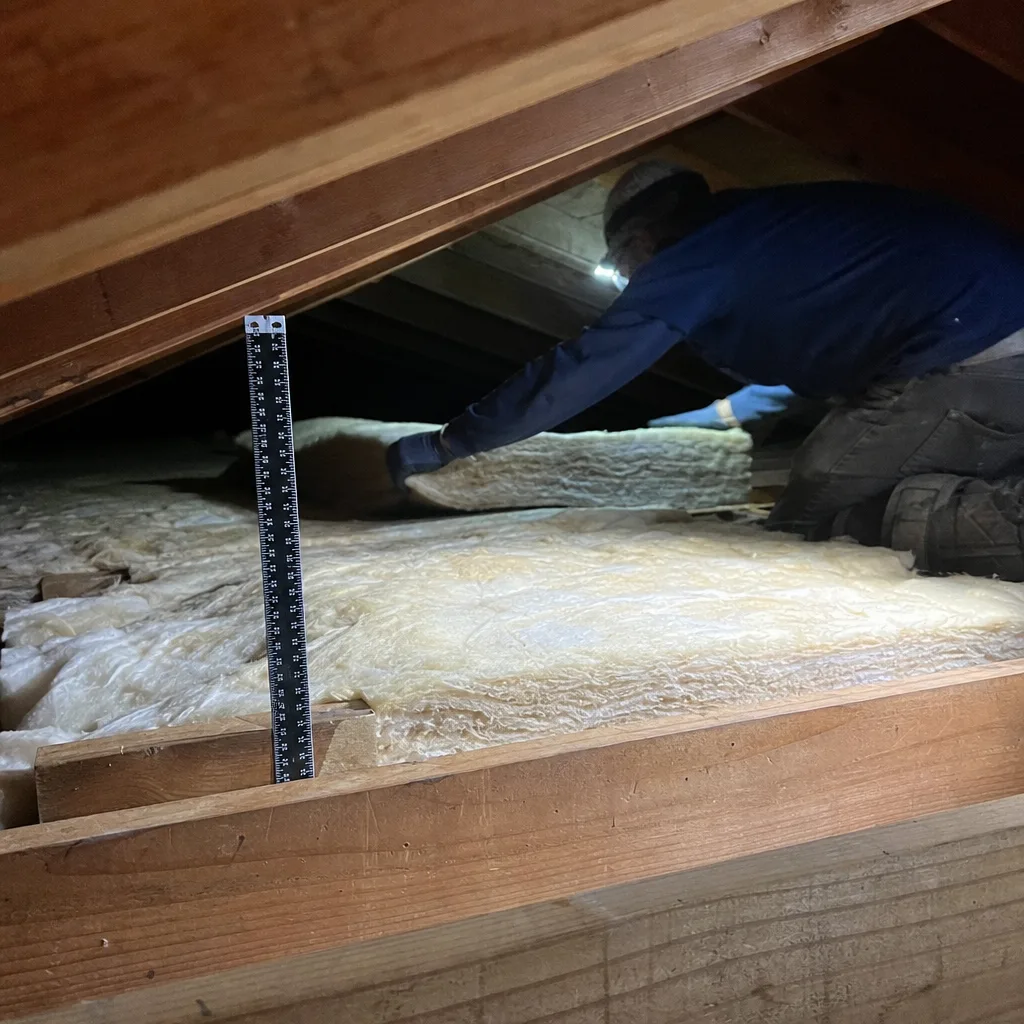
GreenFiber cellulose is our go-to for East Foothills wall cavities and attic floors where fire resistance and density matter. Cellulose is treated with borate, a mineral salt that resists both fire and pests, which matters in a VHFHSZ zone where ember intrusion is a documented risk. We blow it to settled depths that meet or exceed Title 24 requirements, and we never blow it over an unsealed surface. On a sloped-lot ranch above Alum Rock Avenue, our crew found the original 1-inch batt in the attic and a garage ceiling built into the downhill foundation that was the actual floor of the living area above - completely unsealed. We dense-packed the wall cavities with GreenFiber cellulose, blew Owens Corning fiberglass to Title 24 depth across the flat attic, and air-sealed that below-grade ceiling before adding a Chapter 7A-compliant vent screen; the homeowners said the afternoon heat cycling on the west-facing roof plane finally stopped radiating through the floor.
Blown-In Fiberglass
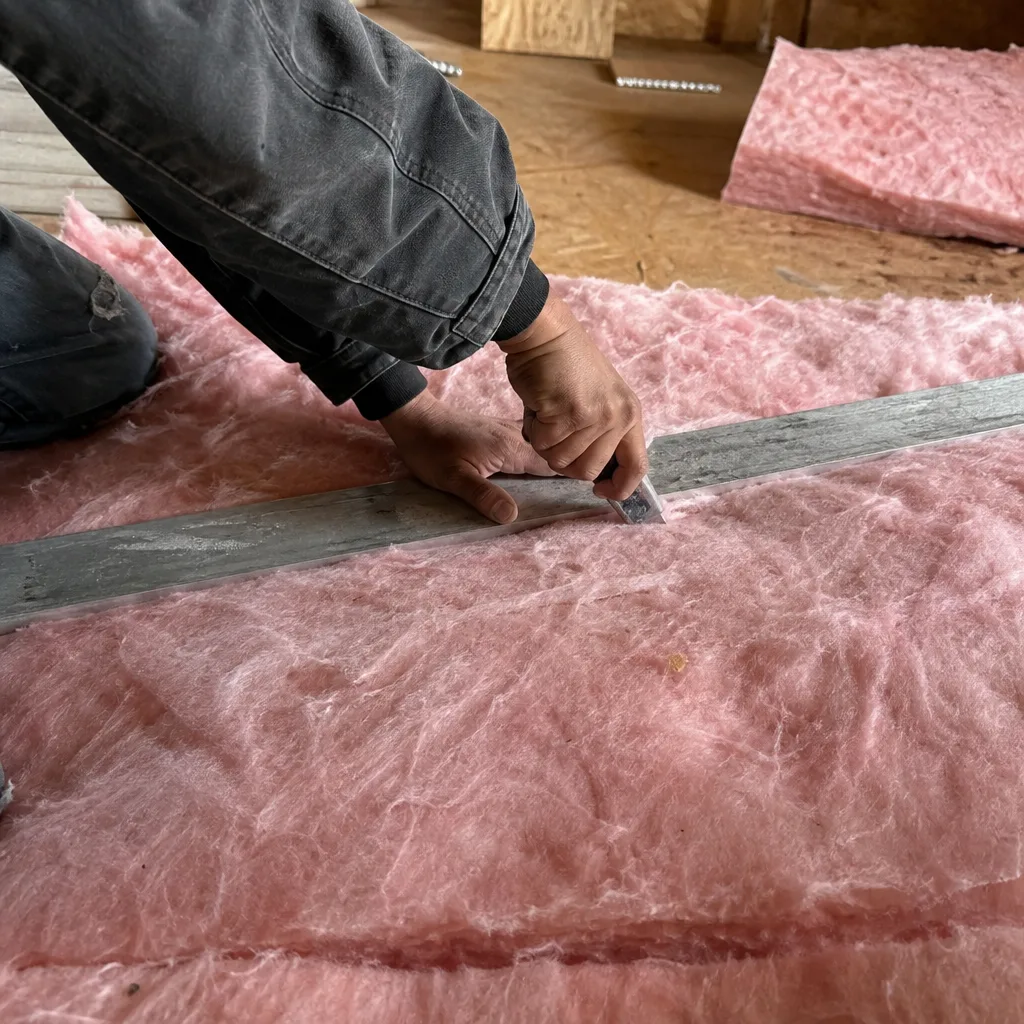
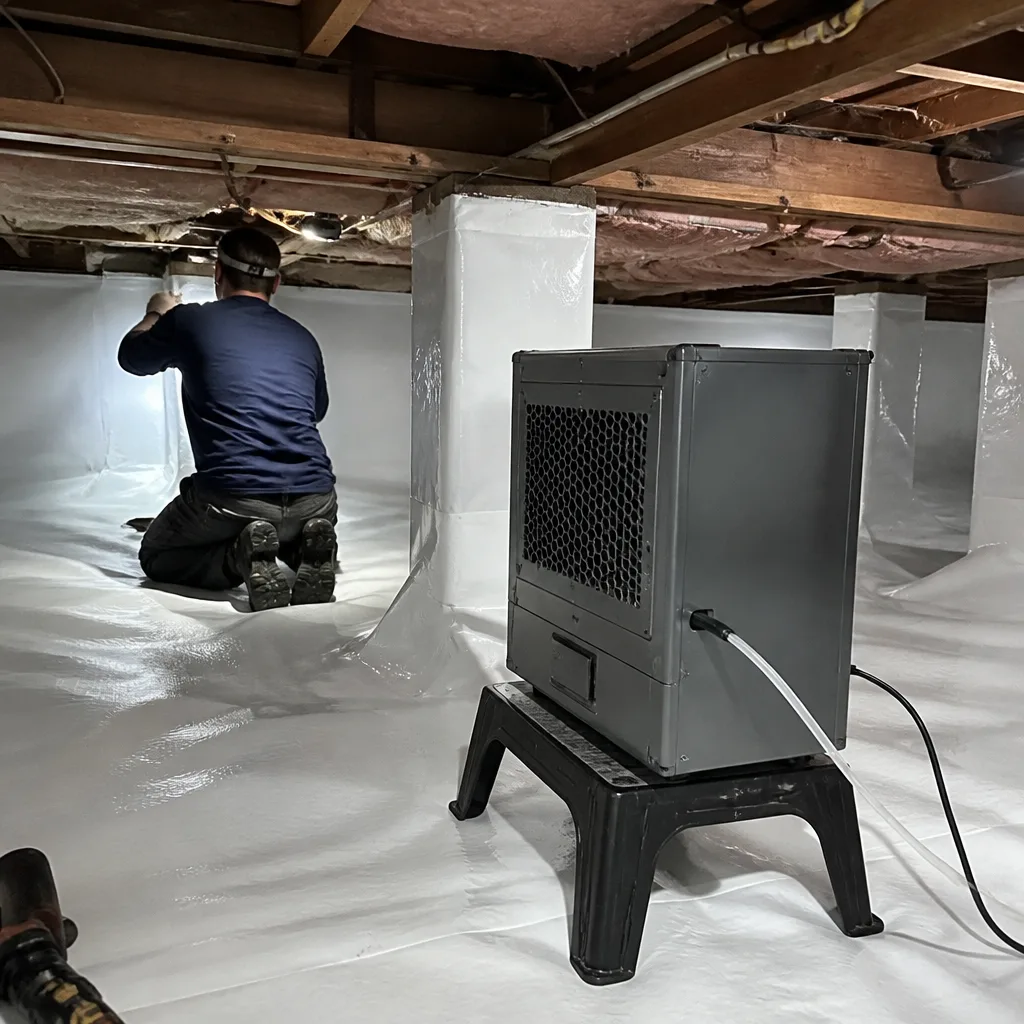
Owens Corning fiberglass works best for open East Foothills attics where we can achieve consistent depth across irregular joist bays and around the ductwork that’s common in 1960s-70s hillside ranches. Fiberglass doesn’t settle like cellulose, so the R-value you pay for is the R-value you keep. We pair it with targeted air sealing of top plates, can lights, and plumbing penetrations before the blower truck arrives. The western-facing hillside exposure amplifies afternoon solar radiation on roof and wall assemblies, pushing attic temperatures significantly higher than in valley-floor San Jose neighborhoods that receive more bay-breeze cooling. Without that pre-sealing, you’re paying for insulation that wind-washes and underperforms.
Dense-Pack Wall Insulation
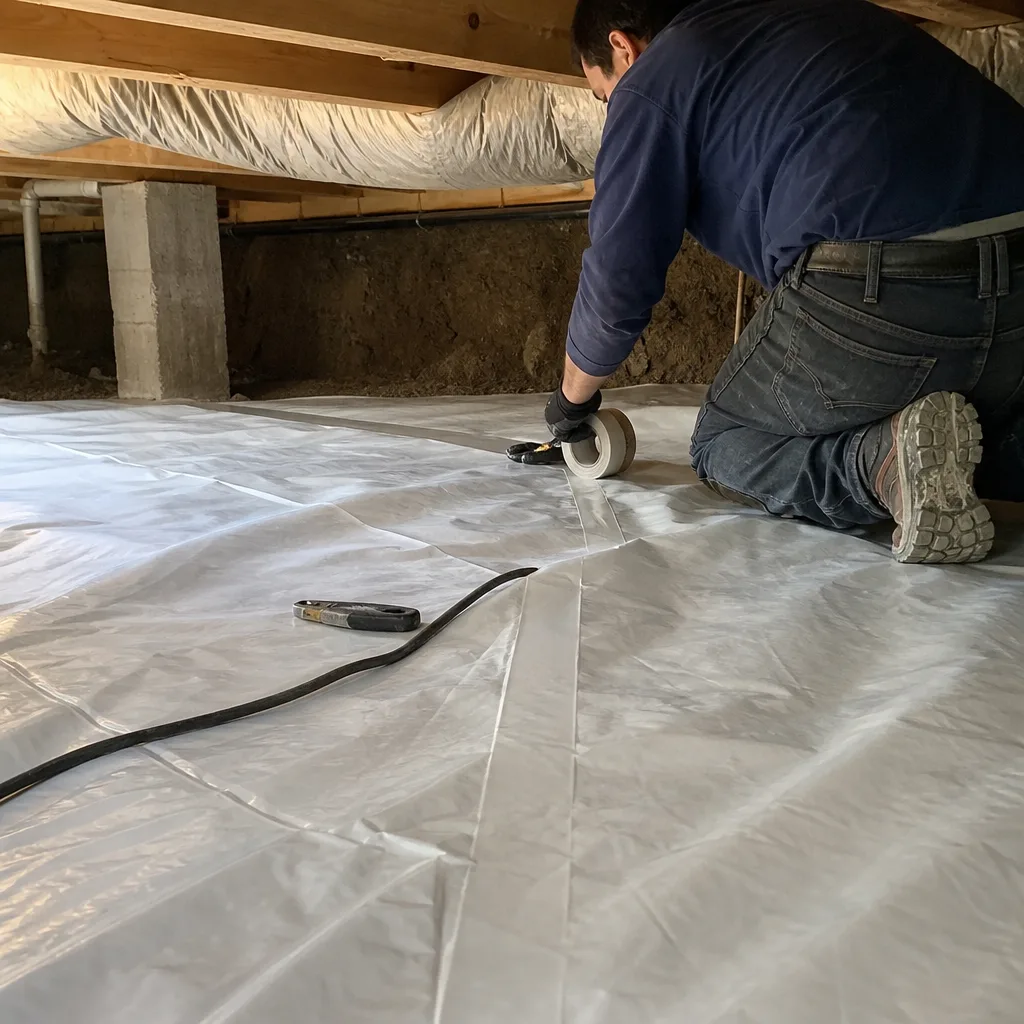
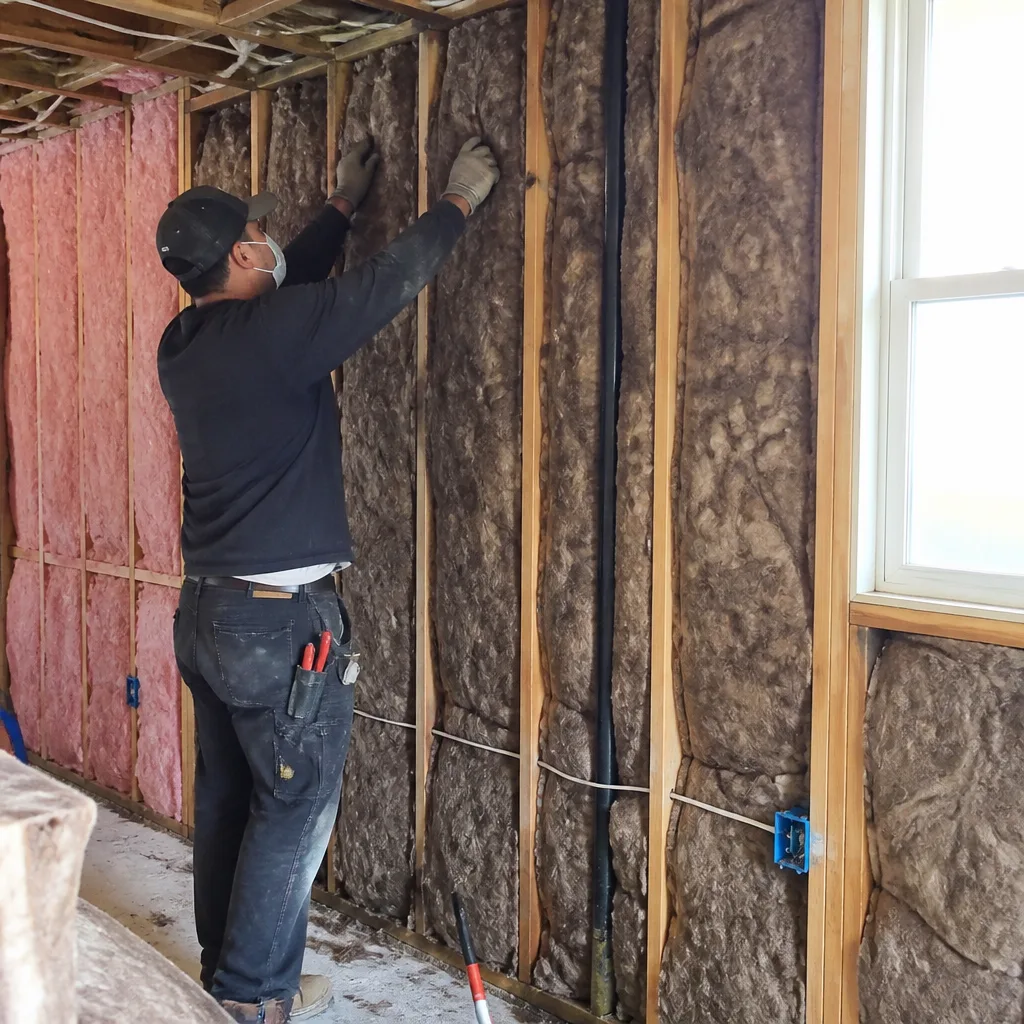
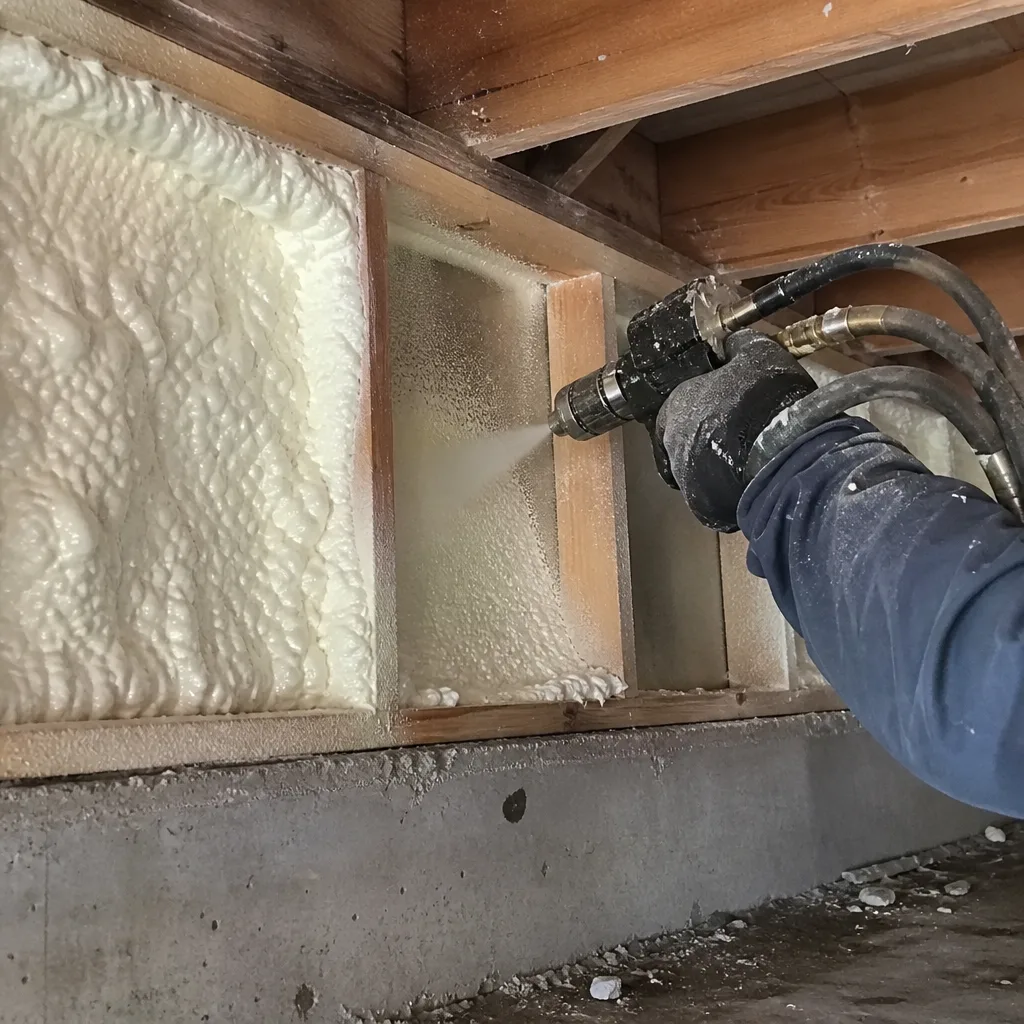
East Foothills ranch homes built between 1955 and 1975 frequently have empty wall cavities or compressed 1-inch batts that don’t register on a thermal camera. Dense-packing blows cellulose at pressure into closed cavities, filling the gaps and settling to a consistent density that stops air movement through the wall. This is the only practical way to insulate existing walls without tearing off drywall, and it’s particularly effective on the lightweight wood-frame construction common here where thermal bridging accelerates under dramatic day-night temperature swings. We verify fill with infrared imaging and provide the photos in your Documented Photo Record.
Blown-In Top-Up
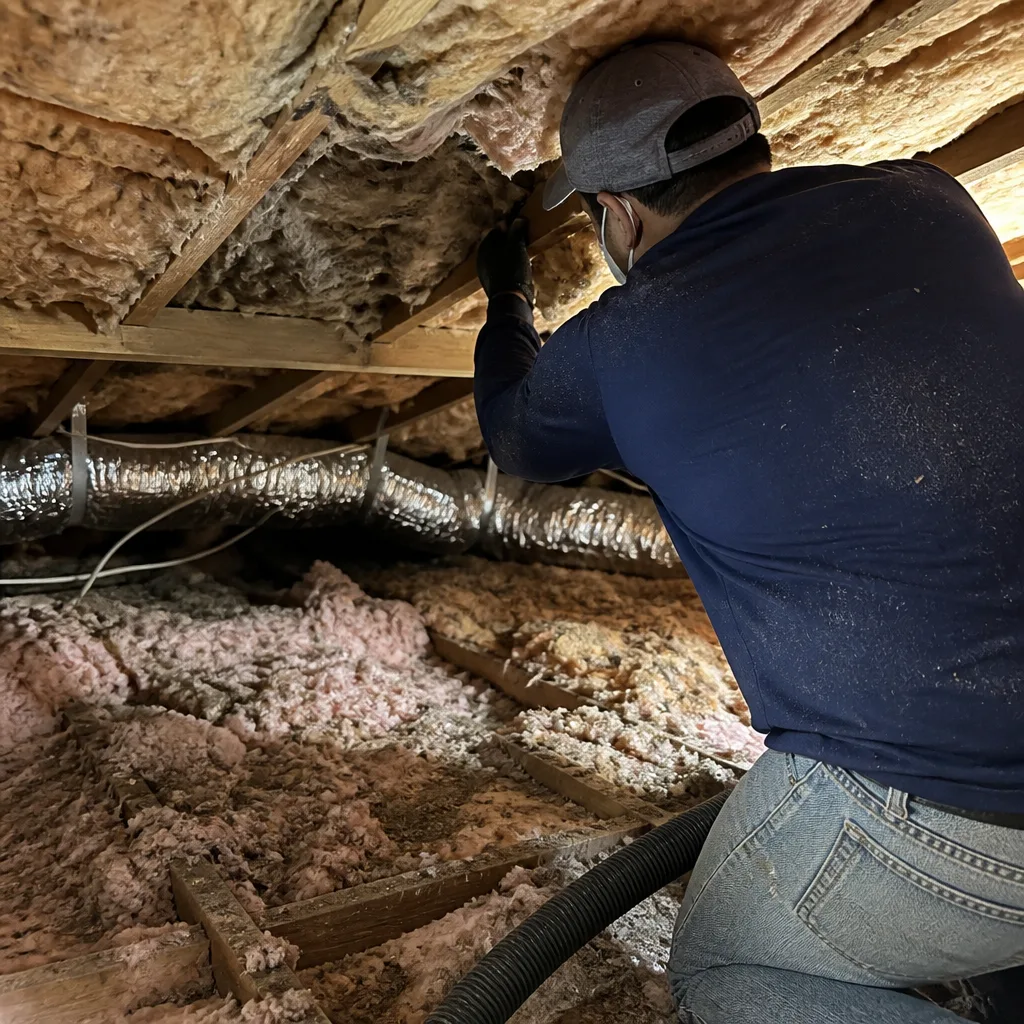
Some East Foothills attics already have insulation, but it’s settled, disturbed by prior trades, or simply insufficient for current Title 24 standards. A blown-in top-up adds depth without removing what’s there, provided the existing material is clean and the attic floor is sealed. We measure current depth, calculate the gap to target R-value, and blow the additional inches. But we won’t top up over an unsealed attic floor, and we won’t top up over compressed original batts that are acting as an air barrier in the wrong direction. The 365-Day Done Right Promise applies either way - if it’s not done right, we make it right.
What happens when you call
- 1
A real person answersNo phone trees - you reach a local pro.
- 2
You get an upfront price rangeHonest numbers before anyone is dispatched.
- 3
A background-checked tech heads outLicensed & insured, dispatched right away.
- 4
You approve before work beginsNothing starts until you say go.
 Before
 After
AfterTrusted Brands We Service in East Foothills
We stock Owens Corning, GreenFiber, and Johns Manville materials on every East Foothills job, sourced directly without proprietary lock-in so you get the right product for your specific assembly rather than whatever a manufacturer is pushing this quarter. Our blower trucks carry multiple material types because hillside ranch attics and sloped-lot wall cavities often need different solutions on the same property. Local inventory means no waiting on a delivery to finish your job, and no partial-completion callbacks because the crew ran short. Every bag is documented in your written scope, and every installed depth is photographed for your record.
Common Blown-In Insulation Problems We See in East Foothills Homes
- Blown-in insulation installed without first air-sealing the ceiling of a below-grade garage or daylight-basement space, leaving the living-area floor above it as an unaddressed thermal bypass. On sloped-lot homes where a garage or utility room is built into the downhill side of the foundation, the ceiling of that below-grade space is the actual floor of the living area above - a thermal and air-sealing bypass point that local insulation contractors frequently find completely unaddressed, and that flatland inspectors often miss entirely because the configuration simply doesn’t exist on valley-floor properties.
- Attic vents and eave assemblies left with standard mesh instead of Chapter 7A ember-resistant screening, which fails VHFHSZ inspection and undermines the whole insulation upgrade. East Foothills sits on the western-facing slopes of the Diablo Range inside San Jose’s Very High Fire Hazard Severity Zone, meaning insulation projects must comply with California Chapter 7A ember-resistant construction requirements - particularly around attic vents and eaves - a code layer that flat San Jose neighborhoods to the west do not face.
- Compressed 1-inch original batt left in place in hillside ranch walls and simply topped with blown-in, so the wall R-value never reaches modern Title 24 targets. The original batt acts as a void, not a base layer, and the blown-in material bridges over it rather than filling around it. We remove or dense-pack through it, depending on cavity access.
- Attic insulation depth increased without addressing the western-facing roof plane’s solar gain, so afternoon heat still radiates through the ceiling assembly. Blown-in depth alone won’t fix performance if the under-floor and vent details aren’t handled. The elevation produces steeper day-night temperature swings, meaning under-insulated homes experience dramatic heat cycling that accelerates thermal bridging failures.
Pricing for Blown-In Insulation in East Foothills, CA
Most blown-in attic jobs in East Foothills run $2,400-$5,800 for a typical 1,200-2,400 square foot hillside ranch, with wall dense-packing adding $1,800-$3,400 depending on cavity count and access. Blown-in cellulose runs $1.80-$2.60 per square foot installed; blown-in fiberglass runs $2.10-$3.20 per square foot. Top-up jobs where existing material stays in place fall at the lower end; jobs requiring removal of compressed batts, air sealing of below-grade ceilings, and Chapter 7A vent retrofitting fall at the higher end.
What moves the number: attic accessibility (steep roof pitches common here add labor), whether we need to install baffles for vented attics, the condition of existing material, and whether the job includes the garage-ceiling air sealing that sloped-lot homes require. Every job begins with a written price - flat, itemized, delivered before anyone lifts a tool. Free Second Opinion on any written estimate: bring us a competing quote and we’ll read it with you. Call (650) 770-8707 for scheduling.
We Also Serve Cities Near East Foothills
Our crews work East Foothills regularly and also serve Milpitas, Fremont, Santa Clara, and Sunnyvale from the same Bay Area dispatch. Each city gets the same Haven Standard treatment: written price first, documented record last, blower-door numbers when applicable. The local conditions change - flat-lot tract homes in Fremont don’t face the VHFHSZ requirements that our Blown-In Insulation team handles in East Foothills - but the process doesn’t.
Serving East Foothills, CA - Our Local Coverage Area
We’re based in the East Foothills area and know this community well. Use the map below to see our service coverage - if you’re nearby, we can almost certainly help.
FAQs - Blown-In Insulation in East Foothills
Yes, if your property is inside the Very High Fire Hazard Severity Zone boundary, which covers all of East Foothills. Chapter 7A of the California Building Code requires ember-resistant vent and eave screening that standard mesh does not satisfy. We install compliant screening as part of every attic job here, and we document it in your photo record. Call (650) 770-8707 for an exact quote - estimates are free.
The western-facing hillside exposure puts your roof and wall assemblies in direct afternoon solar radiation without the bay-breeze cooling that reaches flat valley floors. Attic temperatures here regularly run 15-25 degrees higher than in west San Jose neighborhoods at the same time of day. Blown-in insulation helps, but only if paired with air sealing and proper venting; depth alone won’t stop radiant heat transfer from a 160-degree roof deck. We measure the before-and-after difference with blower-door tests on applicable jobs.
Yes, through dense-packing. These homes typically have empty wall cavities or compressed 1-inch batts that perform below modern Title 24 standards. We drill access holes at stud bay intervals, blow GreenFiber cellulose at pressure to achieve consistent density, then patch and match texture. The process takes one to two days for a full house and doesn’t require drywall removal. Your written scope specifies cavity count, target density, and verification method before we start.
The ceiling of a below-grade garage or daylight basement that supports the living area above it. This assembly is frequently unsealed and uninsulated because flat-lot construction doesn’t include it, so inspectors and contractors from valley-floor backgrounds often miss it entirely. We air-seal and insulate this surface on every sloped-lot job where it exists, and we photograph the before condition for your record.
Only if the existing material is clean, uncompressed, and the attic floor is already air-sealed. Most East Foothills attics we inspect fail at least one of those conditions. The original 1-inch batt common in 1950s-70s ranches needs removal, not topping. And without sealing top plates, can lights, and penetrations first, new blown-in insulation will wind-wash and settle unevenly. We’ll tell you which category you’re in after inspection, and we’ll put it in writing before we propose any work.
Written by Wes Okafor, Owner at Envelope Insulation Co., operating under The Haven Standard since 2016.