
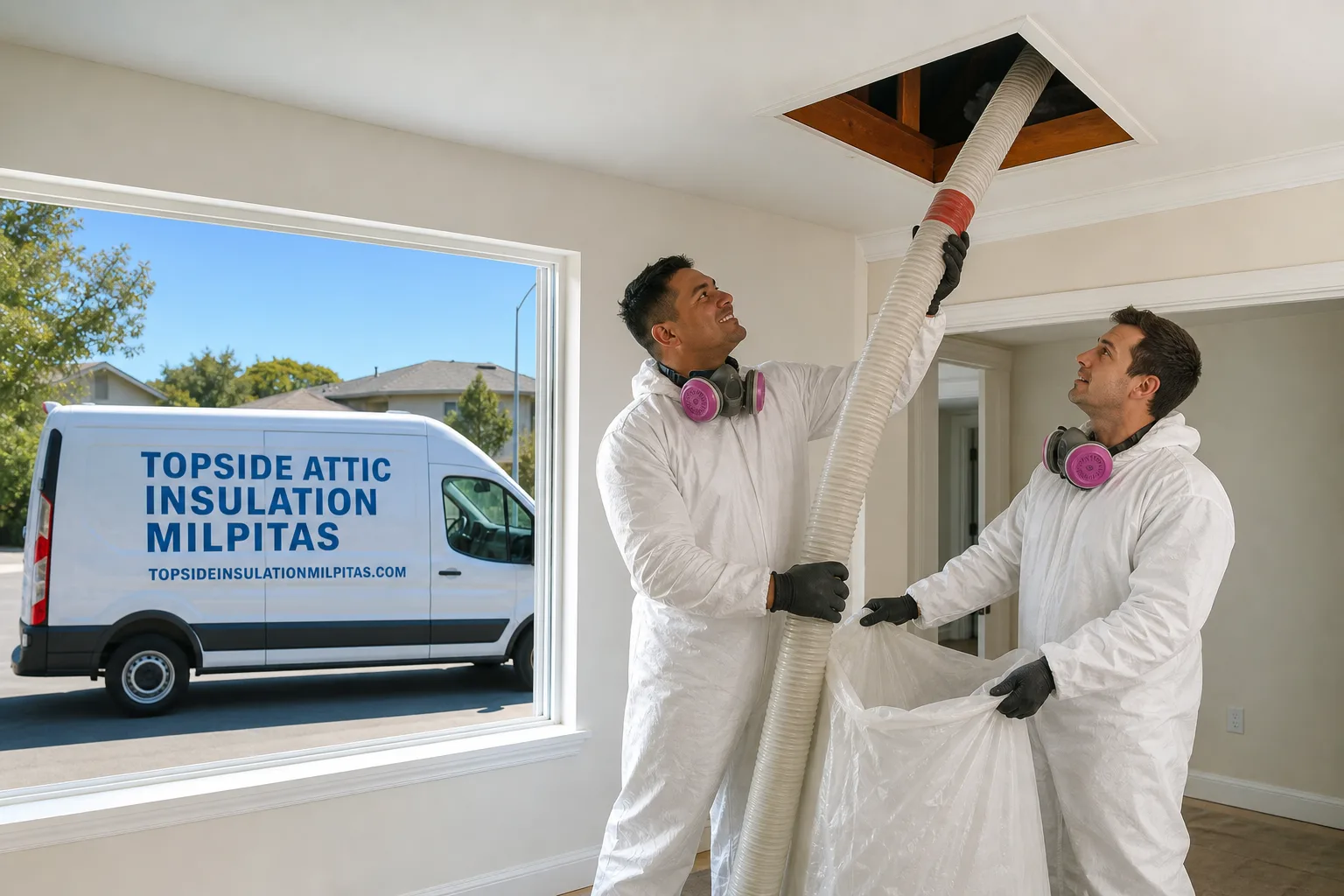
Fast, Reliable Blown-In Insulation Across Union City
Blown-in insulation in Union City typically runs $1.80-$3.20 per square foot for attic work and $2.50-$4.50 for dense-pack wall cavities, with most homes west of Alvarado-Niles Road needing vapor-barrier replacement before any insulation goes in. We’re in Union City regularly - usually same-day or next-day scheduling from our San Francisco Bay Area office - and we know the difference between a hillside tract east of the hills and a bay-adjacent home where tidal groundwater changes the entire job spec. Call (650) 770-8707 for a written price before any work starts.
Why Topside Attic Insulation Milpitas Is Union City’s Preferred Blown-In Insulation Company
We’ve sealed and insulated more than 9,000 homes since 2016, and a significant share of them sit in Union City’s 1960s-1980s tracts - the compressed R-11 batts, the failed black poly barriers, the balloon-frame air leaks in the older Alvarado district. Our reviews from Union City homeowners consistently cite the before-and-after blower-door numbers we publish on every job, the photo documentation they walk away with, and the fact that a live person answered the phone at 10 p.m. when their crawl space insulation collapsed.
Response time to Union City is same-day or next-day for standard bookings, and our crews carry the full material range - GreenFiber cellulose, Owens Corning fiberglass, Knauf mineral wool - so we’re not waiting on a distributor run. Every job starts with a written price and ends with a Documented Photo Record; on air-sealing work, you get the blower-door test, a pressurization reading that shows in one number how much conditioned air your home was losing before and after.
Our Blown-In Insulation Services in Union City
Blown-In Cellulose
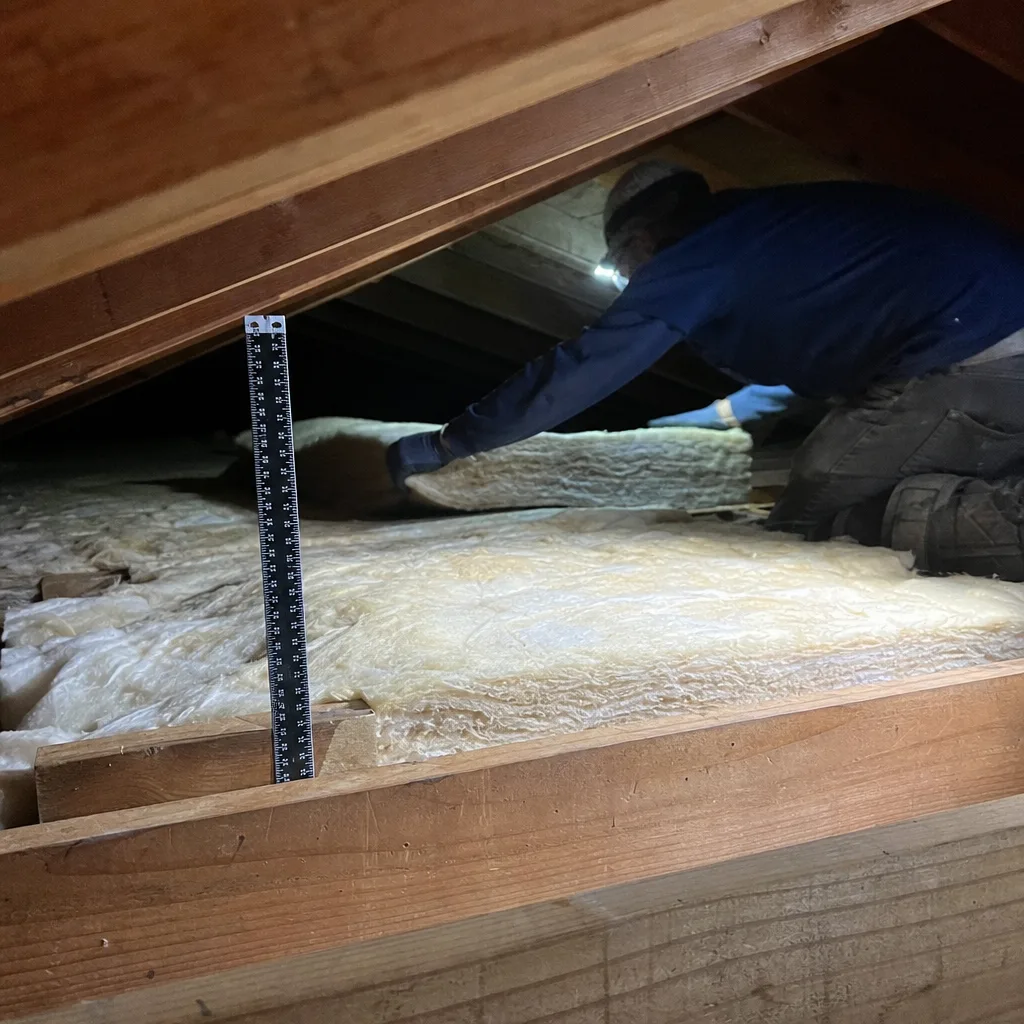
Union City’s marine-layer humidity makes cellulose a strong choice for attic floors - when it’s paired with proper air sealing and, on west-side homes, a new vapor retarder. We blow GreenFiber cellulose at the density spec appropriate for your roof pitch and ventilation, never over unsealed top plates or can-light penetrations. In the Alvarado district’s older balloon-frame construction, we seal the floor cavities and top plates first, then blow to the R-value that matches Title 24 requirements for your heating zone. Most Union City attic jobs run $2,200-$4,800 depending on square footage and prep work.
Blown-In Fiberglass
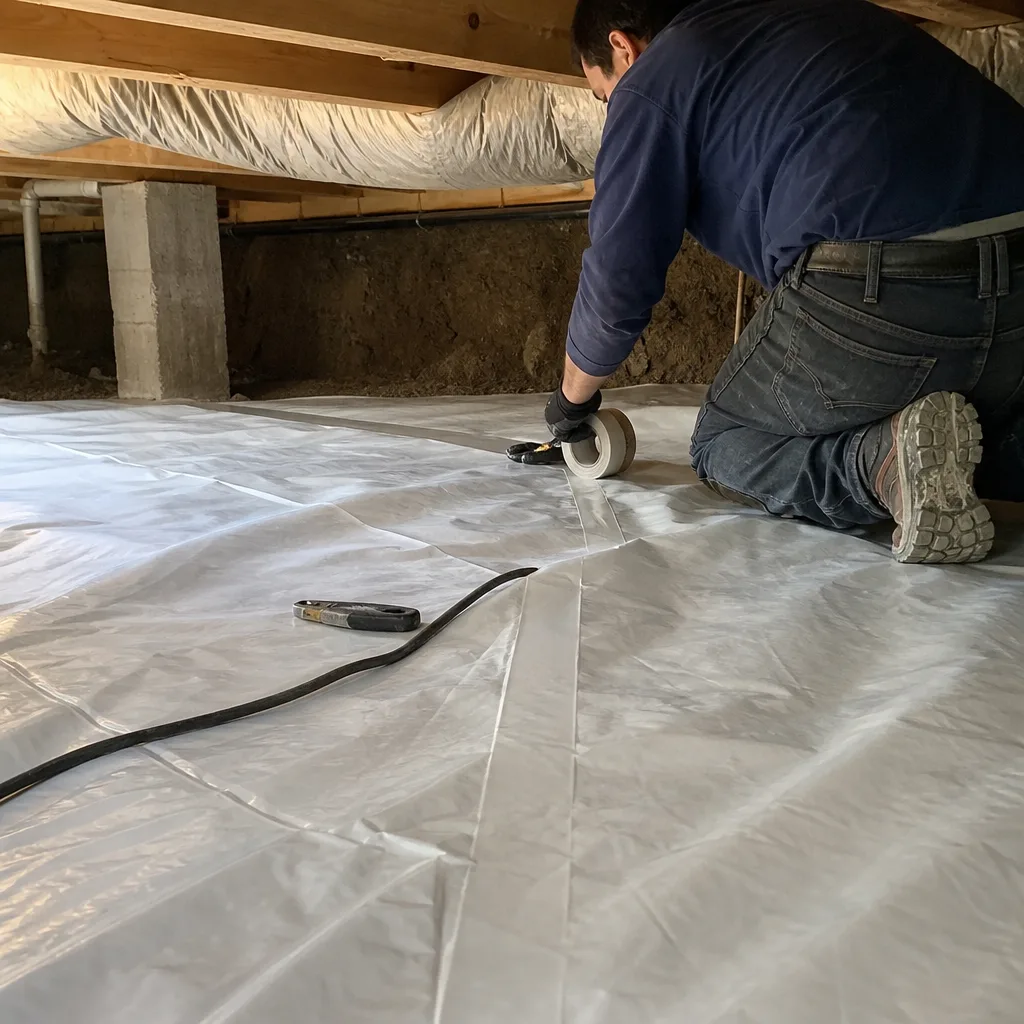
For homeowners in Union City’s drier hillside tracts east of the hills, blown-in fiberglass from Owens Corning or Johns Manville can make sense - it doesn’t absorb moisture the way degraded cellulose can, and it recovers loft better after minor compression. We still air-seal first, per our Blown-In Insulation protocol: top plates, electrical penetrations, chimney chases, and dropped soffits get sealed with fire-rated foam or gasketed covers before any material hits the attic floor. Blower-door verification proves the seal held.
Dense-Pack Wall Insulation
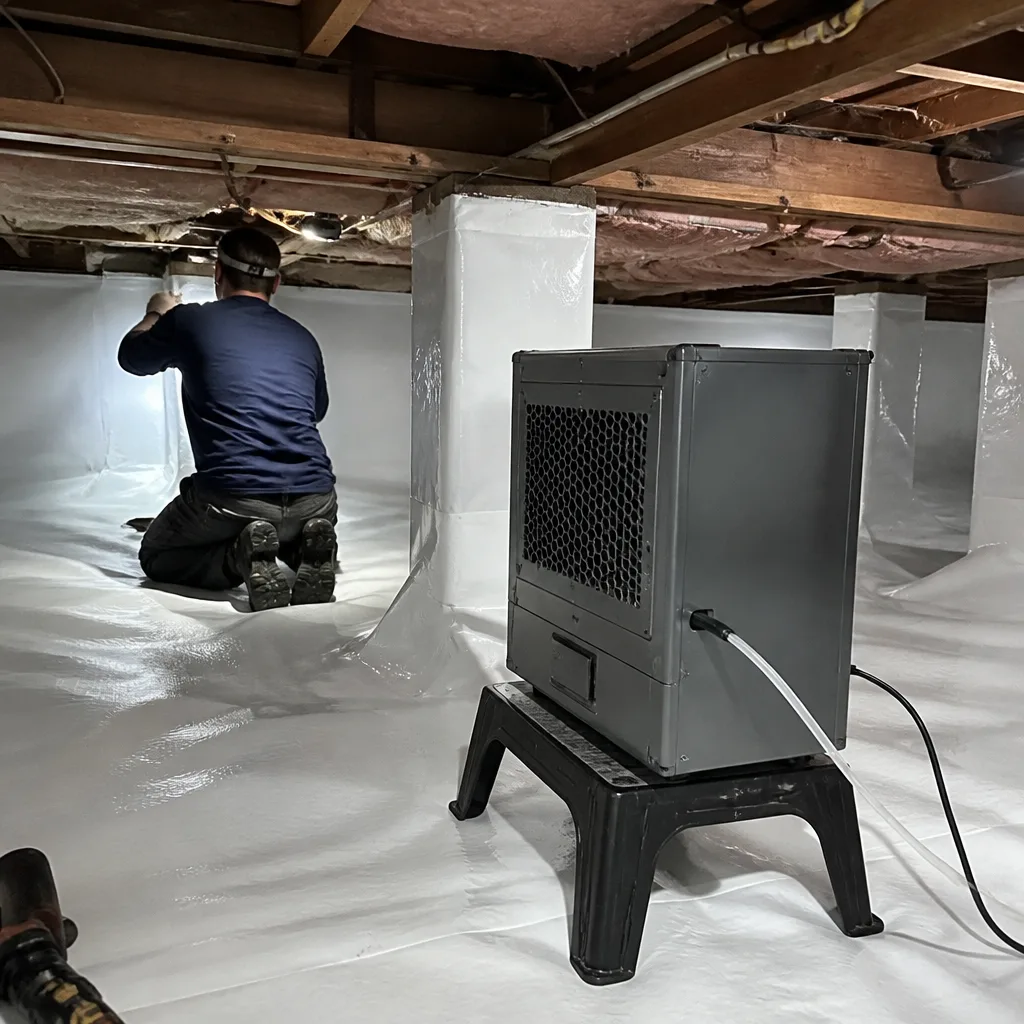
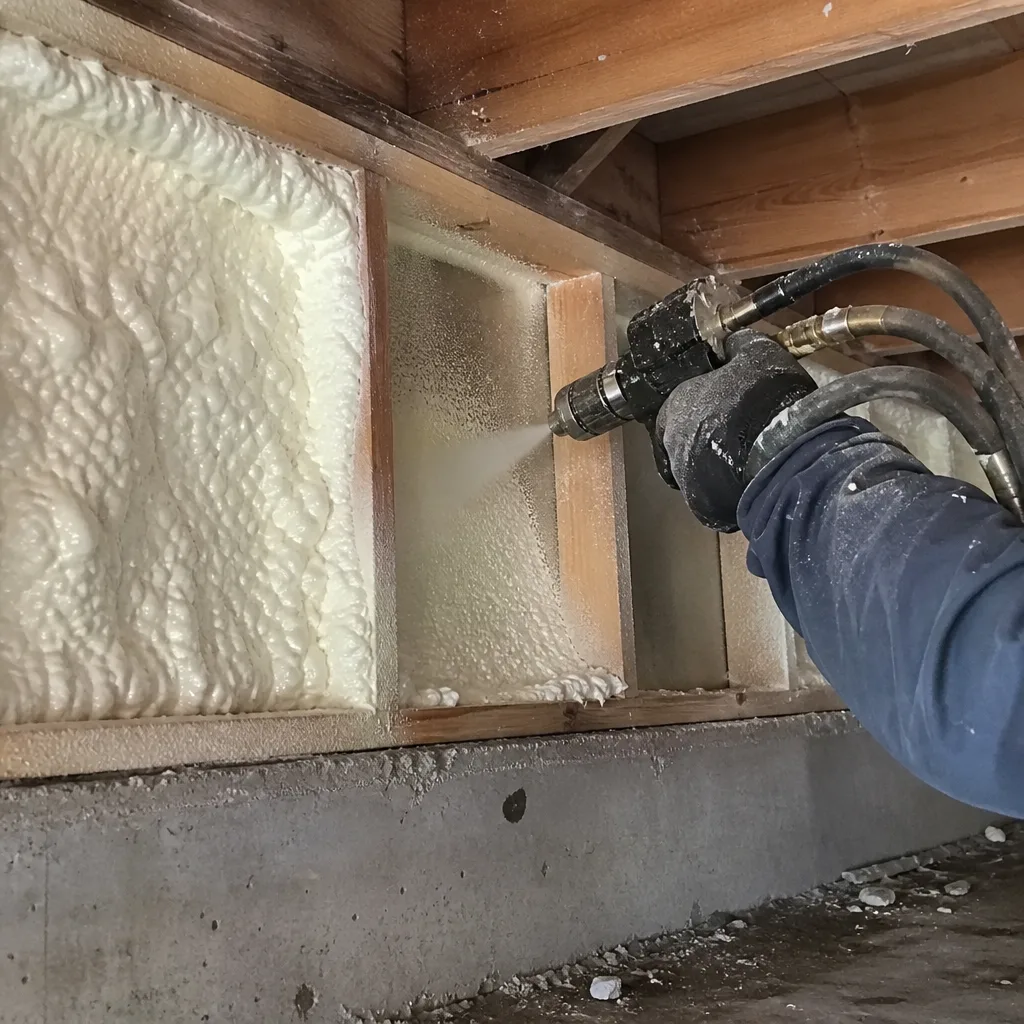
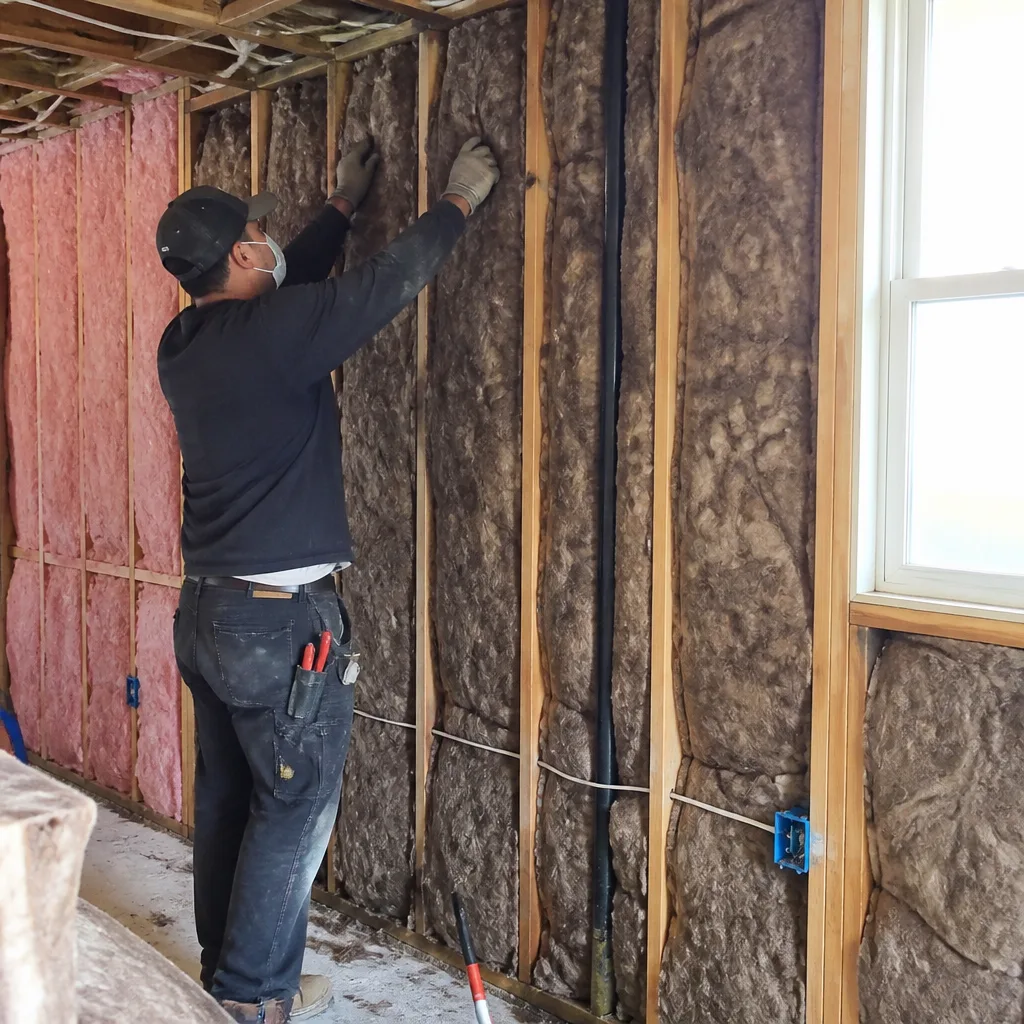
Most Union City tract homes were built with empty wall cavities. Dense-packing those walls - blowing cellulose or fiberglass at 3.5-4.0 pounds per cubic foot until the cavity is full and the material resists settling - cuts the thermal bypass that lets foggy marine air migrate through your framing. In balloon-frame Alvarado homes, this is often the only way to stop the condensation that forms at top plates during temperature swings. We drill strategically, pack to density, and patch with matched siding or interior texture. Typical dense-pack jobs in Union City run $3,500-$7,200 for a full house.
Blown-In Top-Up
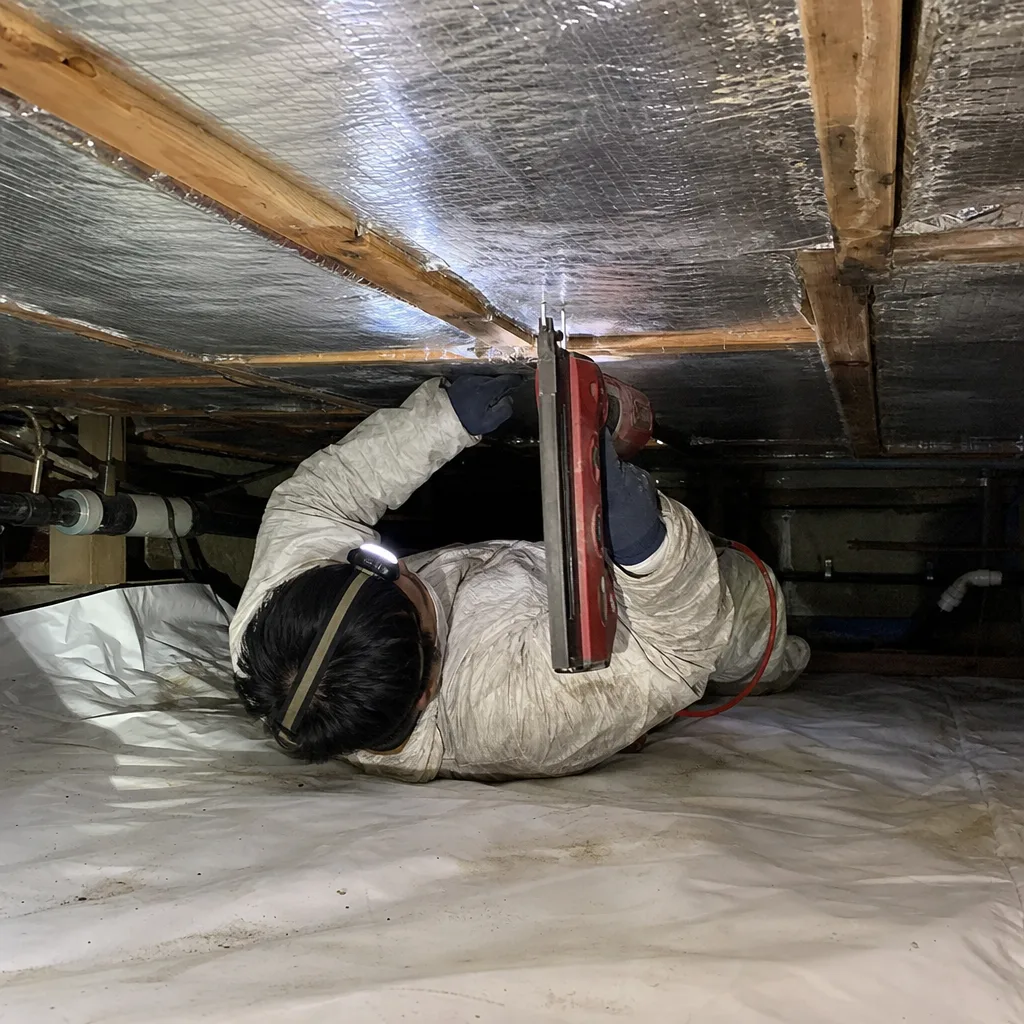
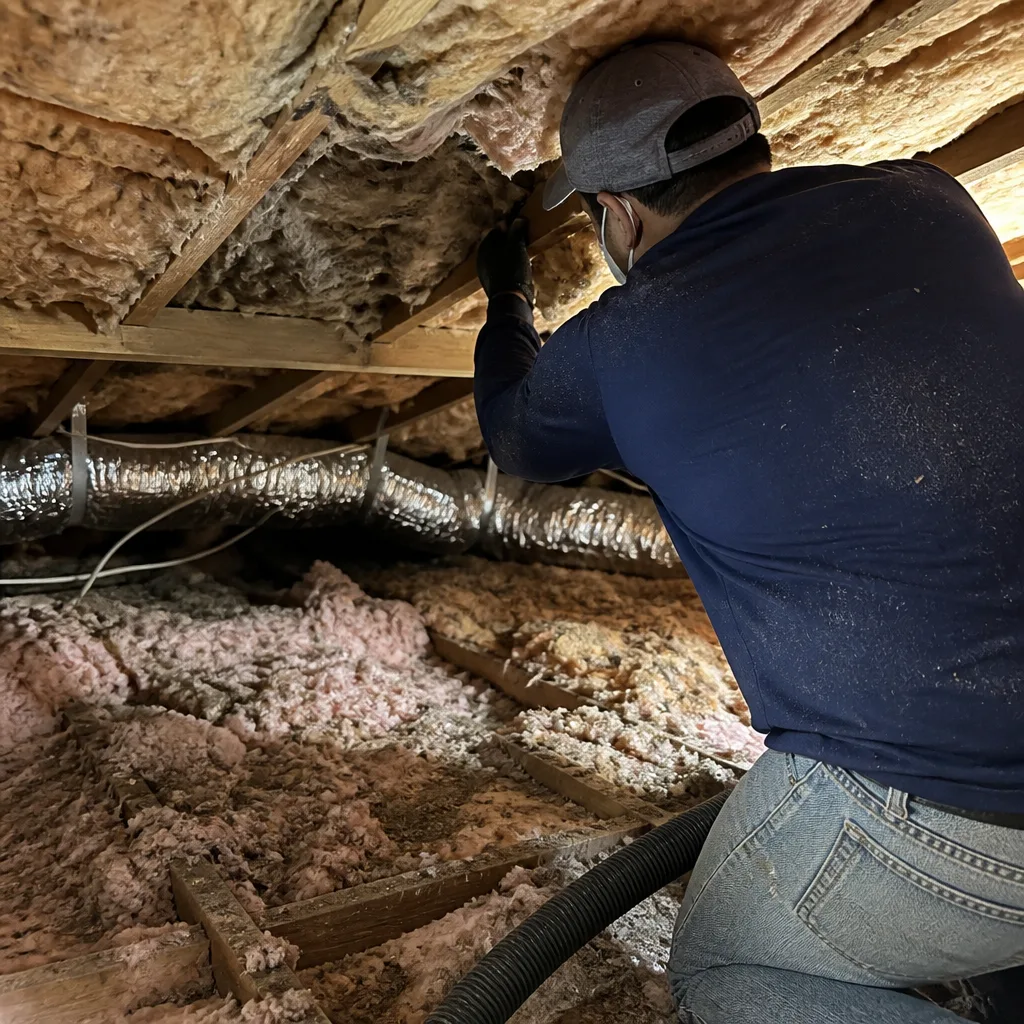
If your Union City attic still has its original batts but they’ve compressed to half their labeled thickness, a blown-in top-up can restore effective R-value without full removal - assuming the existing material is dry and uncontaminated. We inspect first. Homes near the tidal marshlands west of Alvarado-Niles Road often fail this inspection; the humidity has already started degradation. Where the existing layer is sound, we air-seal the attic floor and blow new material over the old, typically reaching R-38 to R-49 for $1,800-$3,400. You’ll get the before-and-after blower-door reading and the photo record showing depth and coverage.
What happens when you call
- 1
A real person answersNo phone trees - you reach a local pro.
- 2
You get an upfront price rangeHonest numbers before anyone is dispatched.
- 3
A background-checked tech heads outLicensed & insured, dispatched right away.
- 4
You approve before work beginsNothing starts until you say go.
 Before
 After
AfterTrusted Brands We Service in Union City
We source blown-in materials from Owens Corning, Johns Manville, Knauf, and GreenFiber - no proprietary lock-in, so we match the product to your home’s condition rather than pushing a single brand. For Union City’s bay-adjacent homes, we often specify GreenFiber cellulose treated with borate for mold resistance, paired with a 6-mil polyethylene vapor retarder where the original black poly has failed. Our trucks carry stock for common Union City configurations, so most jobs don’t wait on material delivery. If your home needs something specific - a higher-density fiberglass for a steep pitch, or mineral wool for a clearance-sensitive envelope - we order it and schedule accordingly, with the written price locked before anyone lifts a tool.
Common Blown-In Insulation Problems We See in Union City Homes
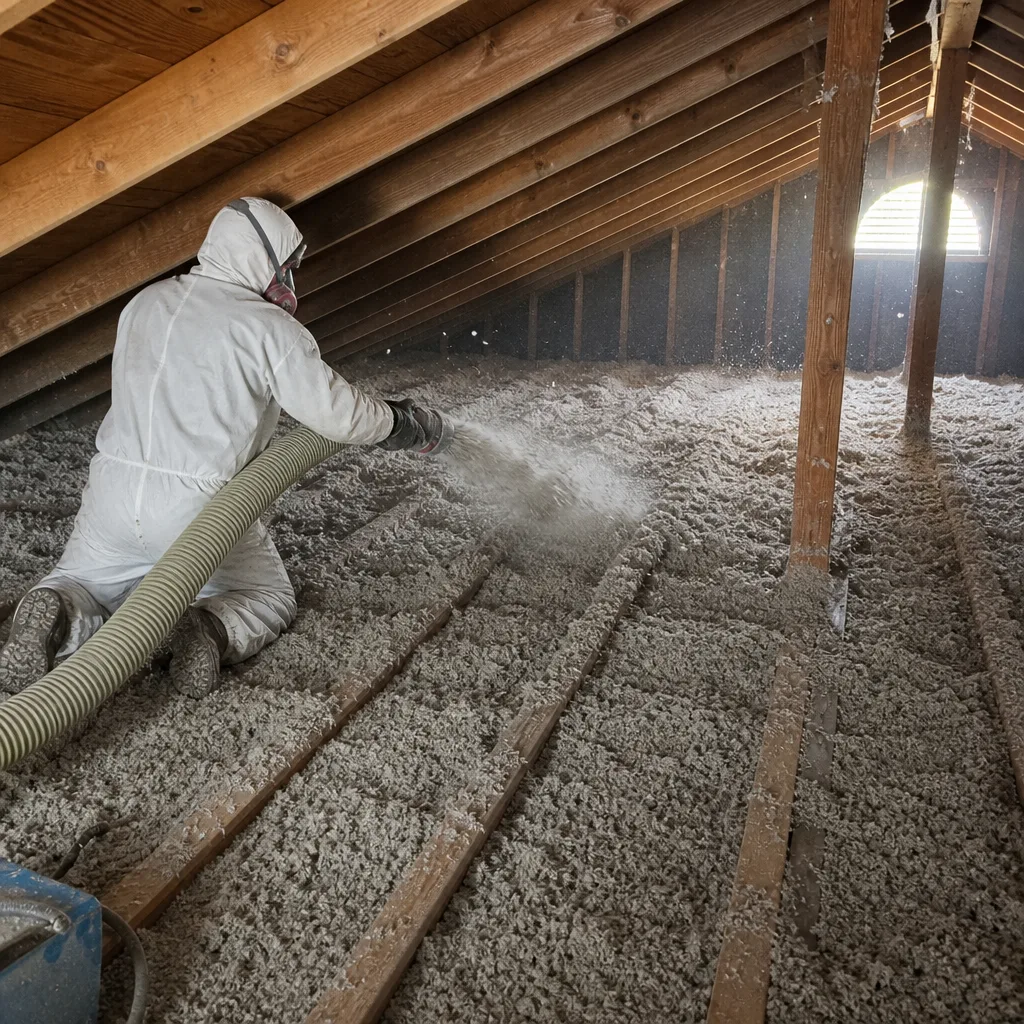
- Tidal groundwater wicking through failed vapor barriers west of Alvarado-Niles Road. The original black polyethylene in crawl spaces on bay-adjacent streets has often disintegrated after decades of groundwater contact. Blown-in insulation laid over or against this barrier absorbs moisture, loses loft, and sags off joists. We find this pattern routinely in Union City’s western neighborhoods; it’s rare just a few miles east in Fremont’s Centerville tract homes.
- Marine-layer humidity compressing attic loose-fill year-round. Union City’s foggy mornings and diurnal temperature swings keep attic decks damp enough that cellulose and fiberglass clump and settle faster than their rated life predicts. The effective R-value drops before the material itself fails. Proper ventilation strategy - sometimes adding baffles or ridge venting - and air sealing at the attic floor are the fix, not just more insulation.
- Balloon-frame air paths in Alvarado district homes driving condensation. Pre-WWII construction in the older Alvarado neighborhood lacks the fire-blocking and top-plate sealing that stops vertical air movement. Moist foggy air migrates through wall cavities and attic assemblies, degrading insulation and creating mold-friendly conditions at top plates and floor joists. Dense-packing the walls and sealing the floor cavities interrupts this path.
- Original R-11 to R-19 batts compressed to ineffective thickness. The dominant 1960s-1980s tract stock in Union City was built with fiberglass batts that have settled and compressed over 40-60 years. What’s labeled R-19 often performs like R-9. A blown-in top-up restores depth, but only after we verify the original layer isn’t moisture-damaged and seal the attic floor against bypass.
Pricing for Blown-In Insulation in Union City, CA
| Service | Typical Range | What Drives Cost |
|---|---|---|
| Attic blown-in cellulose or fiberglass (standard prep) | $2,200 - $4,800 | Square footage, access difficulty, existing material condition |
| Attic with full vapor-barrier replacement | $3,400 - $6,200 | Crawl space or attic floor poly replacement, moisture remediation |
| Dense-pack wall insulation (full house) | $3,500 - $7,200 | Wall cavity count, siding type, interior patching needed |
| Blown-in top-up over sound existing layer | $1,800 - $3,400 | Target R-value, air-sealing extent, attic access |
| Air sealing + blower-door verification | $1,200 - $2,600 | Leakage volume, penetrations count, chimney/soffit complexity |
These are Union City-specific ranges based on the 1960s-1985 tract stock that dominates here. Homes in the Alvarado district with balloon-frame construction or homes west of Alvarado-Niles Road with failed vapor barriers trend toward the higher end. Every job gets a Written Price Before Any Work Starts - Haven Standard Clause 1 - and a Free Second Opinion on any written estimate you’ve already received. Call (650) 770-8707 for your exact number.
We Also Serve Cities Near Union City
Our crews work the full southern Alameda and northern Santa Clara corridor, including Union City neighbors: Fremont to the south, Newark to the southwest, Milpitas to the east, and Sunnyvale down the peninsula. Dispatch and scheduling are coordinated from our San Francisco Bay Area office, with local crews serving each market. The same Haven Standard applies - written price first, documented record last, blower-door numbers when air sealing is part of the scope.
Serving Union City, CA - Our Local Coverage Area
We’re based in the Union City area and know this community well. Use the map below to see our service coverage - if you’re nearby, we can almost certainly help.
FAQs - Blown-In Insulation in Union City
Tidal-influenced groundwater wicks through original black polyethylene vapor barriers on streets west of Alvarado-Niles Road, soaking insulation until it sags off joists and loses loft. Fremont’s Centerville tract homes sit farther from the marshlands and see this failure mode far less often. If your home is bay-adjacent in Union City, we inspect the vapor barrier before quoting any blown-in work - and we replace it if it’s compromised. Call (650) 770-8707 and we’ll read your existing estimate with you, free.
Almost certainly not, if it still has the original batts. Most Union City tracts were built with R-11 to R-19 fiberglass that has compressed to roughly half its labeled thickness over 40-60 years. We measure actual depth during inspection and calculate effective R-value; if the material is dry and uncontaminated, a blown-in top-up to R-38 or R-49 is typically the most cost-effective path. If it’s moisture-damaged, full removal and replacement is the honest recommendation. The written price covers either scenario before anyone starts.
Yes, and it’s often the most effective way to stop the condensation that forms at top plates and floor cavities in that construction type. Balloon framing lacks fire-blocking, so moist marine air migrates vertically through wall cavities unchecked. We dense-pack at 3.5-4.0 pounds per cubic foot - enough density to resist settling and slow air movement - after sealing accessible top plates and floor cavities from the attic and basement. The blower-door test before and after proves the reduction in leakage.
Disintegrating black polyethylene vapor barriers and insulation that’s absorbed enough moisture to collapse off joists. On a 1964 single-story tract home off Alvarado-Niles Road, our crew pulled compressed R-11 batts that had soaked through a failed poly barrier and were sagging off the joists; we laid a new 6-mil vapor retarder, air-sealed the top plates, and dense-packed the wall cavities before blowing GreenFiber cellulose over the attic floor. The homeowner had been running the furnace almost year-round because the foggy marine air never let the house dry out. After the retrofit, the attic stayed dry and the system cycled far less. We used stainless fasteners throughout since the bay-adjacent humidity had already pitted the original hardware.
No. The drier hillside tracts east of Union City’s elevation change don’t face the same groundwater wicking or persistent marine-layer saturation, so vapor-barrier specification and attic ventilation strategy should differ. Hillside homes may get standard poly specifications and less aggressive ventilation; bay-adjacent homes need upgraded vapor retarders and sometimes active ventilation to keep attic decks dry enough for cellulose or fiberglass to perform to rating. We assess microclimate - not just zip code - when we write the scope.
Written by Wes Okafor, Owner at Envelope Insulation Co., serving Union City and the broader San Francisco Bay Area under The Haven Standard since 2016.