
GreenFiber Radiant Barrier Installation: The Milpitas Owner’s Guide
GreenFiber radiant barrier installation in Milpitas typically runs $1,800-$3,400 for a 1,200-2,000 square foot attic, and we stock GreenFiber-compatible rolls and staples on every truck for same-day starts. Most Milpitas homeowners discover theirs is failing when summer cooling bills spike 20-40% above the previous year, or when a thermal camera shows attic floor temperatures exceeding 140°F despite adequate insulation depth. The R-value on the bag means nothing if the air is still moving through the wall - seal first, then insulate.
Which GreenFiber Models This Applies To
GreenFiber produces cellulose insulation, not standalone radiant barrier rolls, so the compatibility question is about which GreenFiber cellulose systems pair with radiant barrier retrofit work. We typically see three scenarios in Milpitas attics: GreenFiber Sanctuary blown-in cellulose installed 2010-2018 with no radiant barrier layer beneath; GreenFiber Cocoon dense-pack cellulose in sloped ceilings where radiant barrier decking was specified but never installed; and mixed insulation jobs where a previous contractor added GreenFiber over existing fiberglass without addressing radiant heat gain.
Identification starts with the attic floor. GreenFiber cellulose is gray, fibrous, and settles to a density of about 2.0-3.0 pounds per cubic foot. If your attic has this material and you are experiencing summer heat issues, the missing or failed component is almost always the radiant barrier itself, not the cellulose. The OEM spec for GreenFiber-compatible radiant barrier is a perforated, double-sided aluminum product with an emissivity rating below 0.05 and ASTM C1313 compliance. We install Owens Corning Raft-R-Mate or Reflectix double-bubble products as quality aftermarket equivalents, both of which exceed GreenFiber’s thermal performance targets without trapping moisture against the cellulose. The gotcha: unperforated radiant barrier installed over GreenFiber cellulose in Milpitas’s humid winter months can condense and compress the insulation, dropping its effective R-value by 30% or more.
Signs Your GreenFiber Radiant Barrier Installation Is Failing
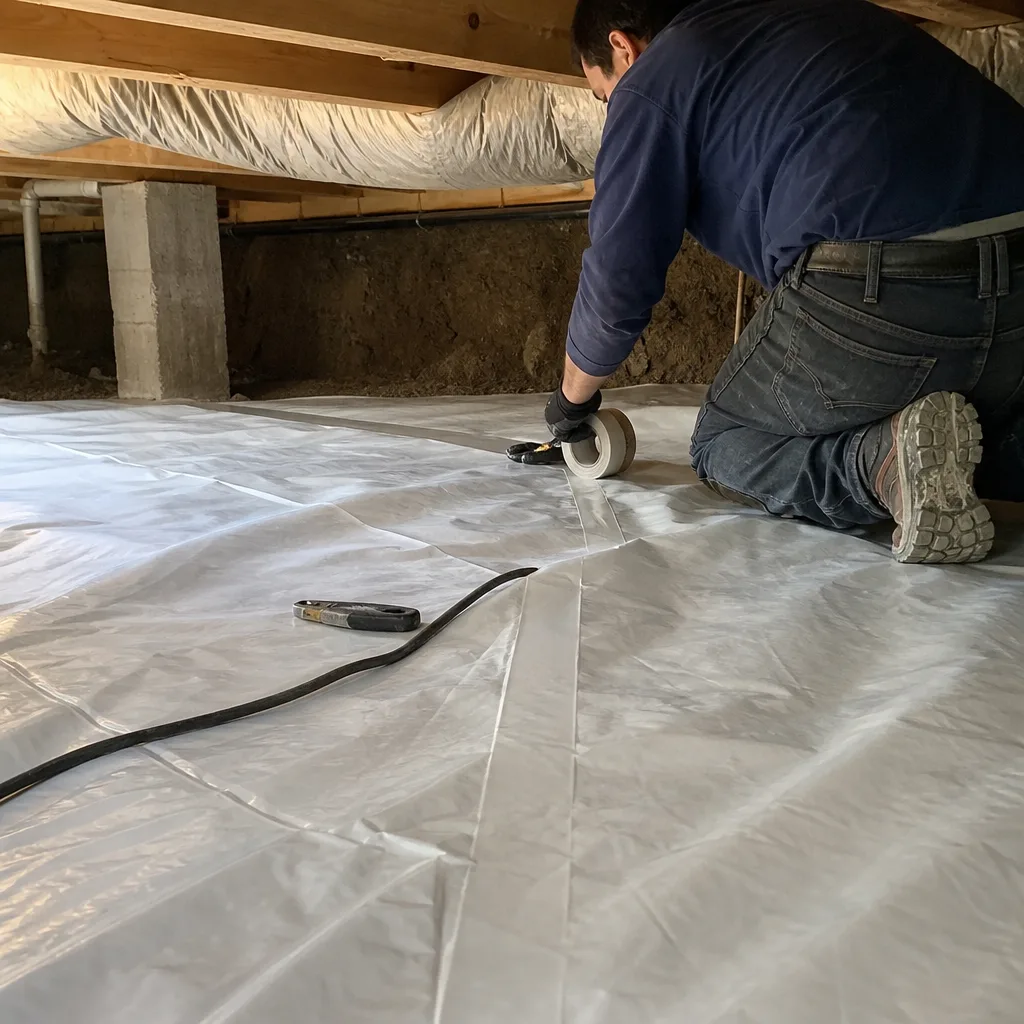
- Summer utility bills climbing year-over-year with no rate change. Milpitas sees 15-20 days above 95°F annually, and a failed radiant barrier lets roof deck heat radiate directly through to the attic floor. Your HVAC runs longer to maintain setpoint, and the blower-door test we perform before any job will show if that runtime is coupled with air leakage compounding the load.
- Second-floor rooms 8-12°F warmer than the thermostat setting by 4 PM. This is classic radiant heat gain through an unprotected or degraded barrier. The ductwork in your attic absorbs deck temperature and acts as a passive heater, even with the system off.
- Dusty or oxidized radiant barrier surface visible from the attic hatch. Aluminum oxidizes to a chalky white when exposed to attic humidity. In Milpitas, where winter marine layer moisture penetrates older roof vents, this oxidation destroys reflectivity permanently. We measure emissivity in the field with an infrared thermometer; readings above 0.15 indicate replacement, not cleaning.
- Cellulose compressed or discolored in patches beneath the barrier. Moisture trapped by improper installation - unperforated barrier, sealed edges, or GreenFiber installed directly against roof decking without ventilation channels - wicks into cellulose and creates dense, darkened clumps. These spots lose R-value and can harbor mold in Milpitas’s mild winters.
- Previous installer used single-sided radiant barrier with the reflective side down. We find this in about one in four Milpitas attics we inspect. Single-sided product installed reflective-side-down radiates heat into the insulation instead of back toward the roof. It is an installation error, not a product failure, but the fix is the same: remove and reinstall correctly, or upgrade to double-sided product.
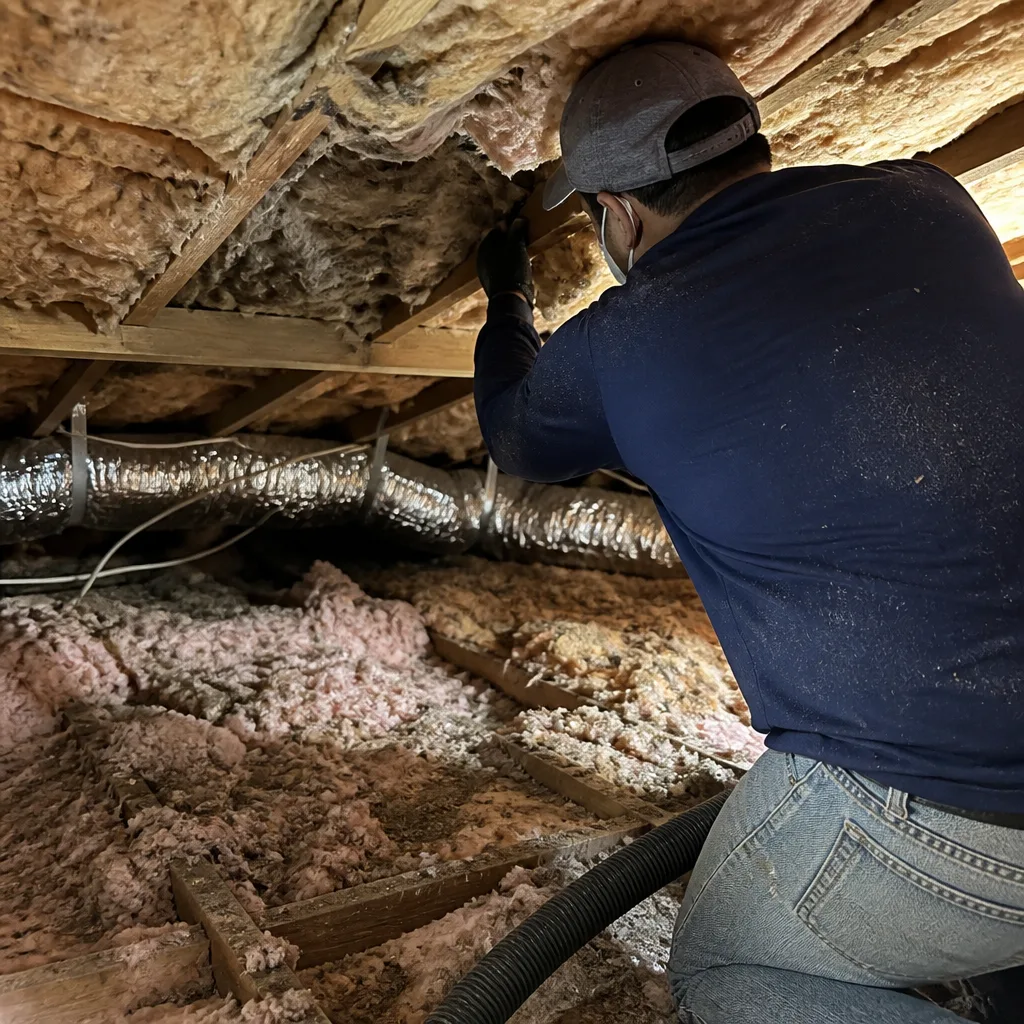 Before
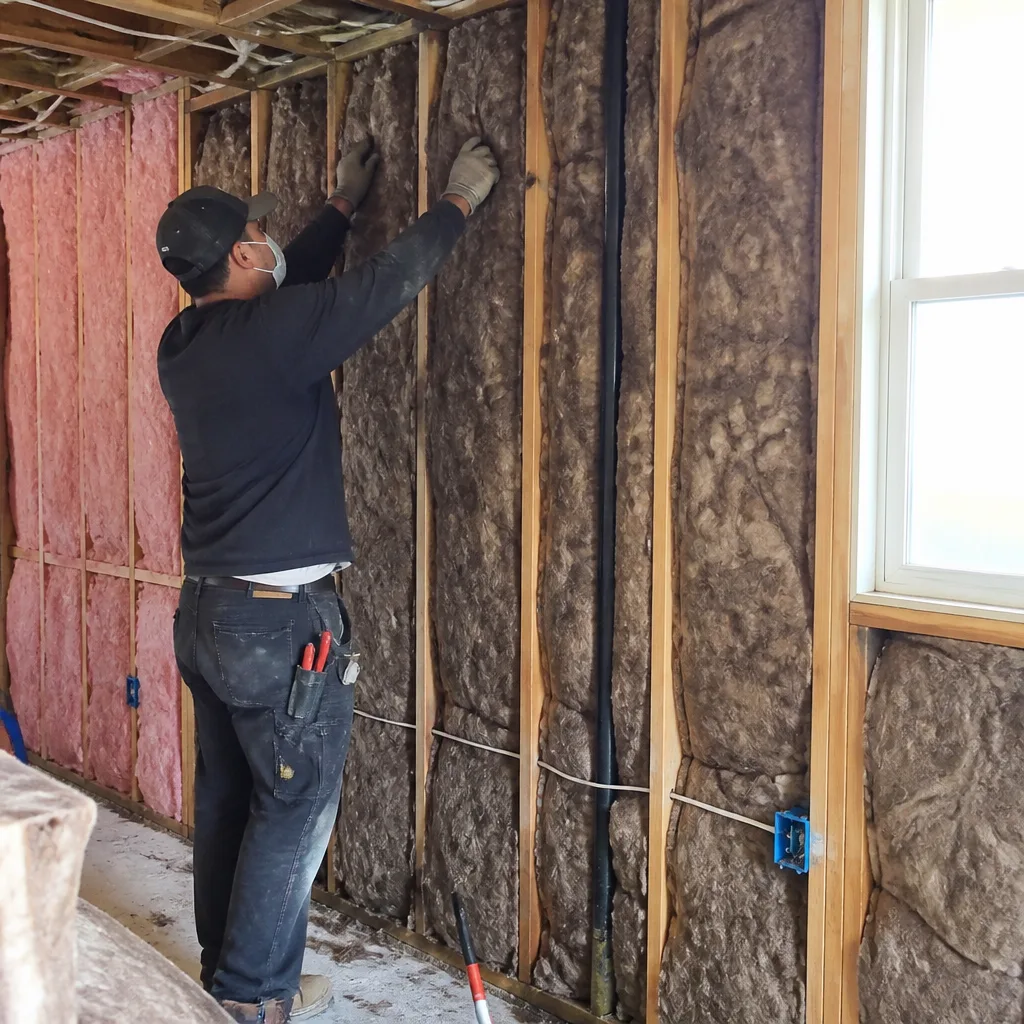 After
AfterReplacement Cost & What’s Included
Most GreenFiber radiant barrier retrofits in Milpitas run between $1,800 and $3,400 installed, with the final price driven by attic square footage, roof pitch (steeper = slower, more material waste), whether we are laying over existing barrier or removing failed product first, and whether air sealing is needed before the radiant barrier goes in. We do not price by the roll; we price by the completed, documented job.
That price includes: removal of failed or improperly installed radiant barrier; air sealing of top plates, can lights, and penetrations per Haven Standard protocol; supply and installation of perforated, double-sided radiant barrier with proper drape or channel configuration for your roof type; and a Documented Photo Record of before, during, and after. On applicable jobs, we provide before-and-after blower-door numbers so you can verify the air-sealing result in cubic feet per minute. Every job carries our 365-Day Done Right Promise - if it’s not done right, we make it right - with a written scope and written warranty delivered before anyone lifts a tool.
DIY or Call Us?
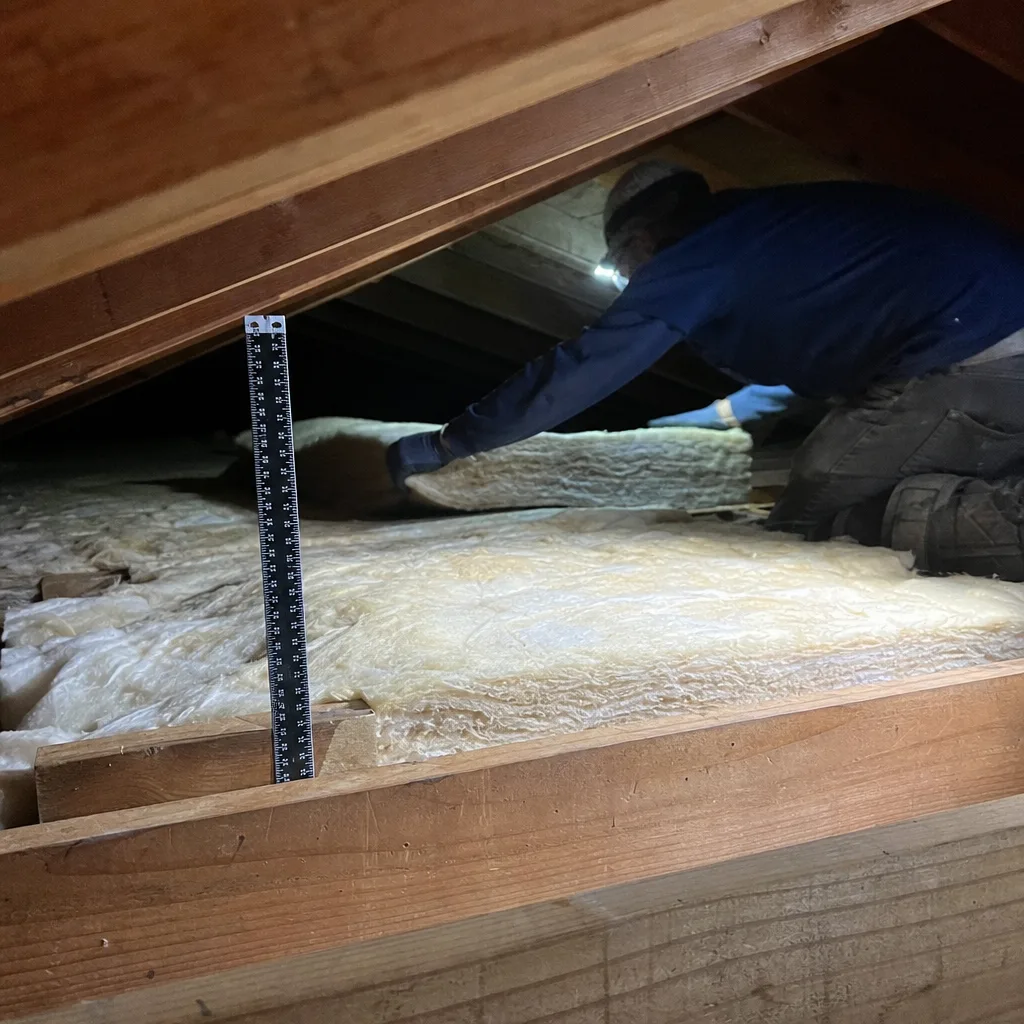
There is no high-tension danger in radiant barrier work, but there are genuine pitfalls that waste material and money. A homeowner can safely check: whether existing barrier is perforated (look for tiny holes, about 1/16 inch, across the surface); whether it is single or double-sided (hold a corner, look at both faces); and whether attic intake and exhaust ventilation is blocked by the barrier material. These checks require only a flashlight and a dust mask.
Where DIY goes wrong: installing unperforated barrier over GreenFiber cellulose in Milpitas’s variable humidity; stapling barrier directly to roof decking without the required 3/4-inch minimum air gap; and covering soffit vents with barrier edges that terminate wrong. We have removed homeowner installations that cost $800 in materials and achieved effectively zero performance gain because the air gap was missing. If you have already bought GreenFiber-compatible radiant barrier and want it installed correctly the first time, call (650) 770-8707. We will read your plan with you, and if you have a competing quote, we offer a Free Second Opinion on any written estimate.
FAQs
Perforated aluminum radiant barrier in Milpitas typically maintains effective reflectivity for 15-25 years, but marine layer humidity and poor attic ventilation can cut that to 8-12 years by accelerating oxidation. We inspect emissivity in the field and will show you the reading so you know whether replacement is actually needed. Call (650) 770-8707 for an exact assessment - estimates are free.
Localized tears or detached seams can be patched with aluminum tape rated for high-temperature exposure, but oxidized or single-sided product is not repairable - the reflective surface is chemically degraded. In our experience, partial repairs on GreenFiber-compatible systems in Milpitas cost nearly as much as full replacement once labor is tallied, and they do not carry a warranty. Call (650) 770-8707 for a written price on both options before you decide.
A typical 1,500 square foot Milpitas attic takes one crew day to remove failed barrier, air seal, and install new perforated product with proper ventilation clearance. Steep pitches, tight truss spacing, or attics with existing GreenFiber that must be temporarily moved add a half day. We give you a written start and completion time before work begins - Haven Standard Clause 1 - and a text when the technician is on the way.
Yes. We carry perforated, double-sided aluminum radiant barrier and Reflectix double-bubble product on every Milpitas-area truck, along with the specialized staples and cap fasteners that prevent tearing during installation. If your attic requires a specific width or configuration - some Great Mall corridor tract homes have 24-inch truss spacing that needs custom cuts - we fabricate on-site rather than delay the job. Same-day starts are available when you call (650) 770-8707.
Written by Wes Okafor, Owner, Topside Attic Insulation Milpitas at Topside Attic Insulation Milpitas, serving Milpitas and nearby areas.