
GreenFiber Vapor Barrier Installation: The Milpitas Owner’s Guide
GreenFiber vapor barrier installation in Milpitas typically runs $1,800-$3,400 for a standard crawl space or attic floor, and we stock the 6-mil and 10-mil reinforced polyethylene rolls on our trucks for same-day starts. Most homeowners discover the problem during a home sale inspection or when they notice their crawl space smells musty after winter rains - the original barrier has torn at seams, pulled away from foundation walls, or degraded from the clay-heavy soil moisture common in Milpitas neighborhoods east of I-680.
Which GreenFiber Models This Applies To
GreenFiber does not manufacture standalone vapor barrier film; their building envelope system pairs blown-in cellulose insulation with specified 6-mil minimum polyethylene ground cover in crawl spaces and unconditioned basements. The compatibility question is not model-specific but assembly-specific: homes insulated with GreenFiber cellulose in the 2010-2020 period, particularly in the Ranch 99 corridor and Berryessa district builds, often have 4-mil builder-grade poly that fails within 8-12 years in Milpitas soil conditions.
We identify the correct replacement by three field checks: current mil thickness (calipers on an edge sample), seam tape residue pattern (original GreenFiber-spec jobs used yellow poly tape at 24-inch intervals), and whether the piers have mechanical fasteners or were simply weight-sealed. OEM-equivalent 10-mil cross-laminated poly from Husky or Warp’s matches the GreenFiber assembly spec at lower cost; we carry both on the truck. The gotcha in Milpitas: homes on the alluvial plain near the Guadalupe River flood zone need 10-mil minimum, not 6-mil, because seasonal water table rise wicks through thinner material in 18-24 months.
Signs Your GreenFiber Vapor Barrier Installation Is Failing
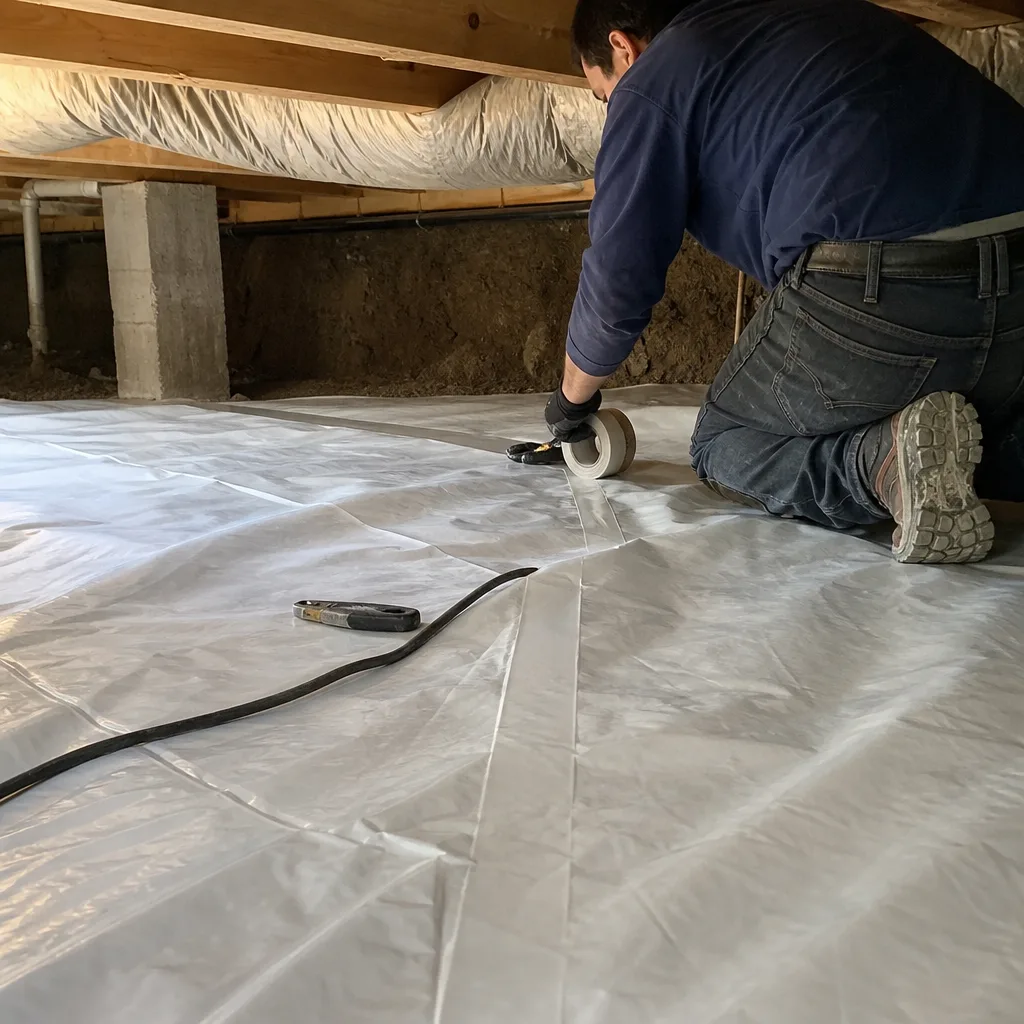
- Musty odors rising through floor registers. When the poly tears at duct boots or perimeter walls, soil gas and moisture enter the conditioned envelope. In Milpitas, this peaks February through April when clay soils release winter saturation.
- Condensation on insulation facing. GreenFiber cellulose wicks moisture when the vapor barrier below it fails; you will see darkened kraft paper or sagging batts. The R-value on the bag means nothing if the air is still moving through the wall - seal first, then insulate.
- Visible pooling or mud on the poly surface. Standing water means the barrier has lost adhesion to piers or has seam failures. Milpitas homes without perimeter drainage - common in 1960s-1970s tracts near Calaveras Boulevard - see this first.
- Increased energy bills with no HVAC change. Failed vapor barriers let latent heat load into crawl spaces; your AC works harder to dehumidify air that should stay dry. We have measured 15-22% runtime increases post-failure in homes we later resealed.
- Pest activity in crawl space. Torn poly exposes soil that attracts rodents seeking moisture. We document this with photos; the Haven Standard requires we show you what we found, not tell you how we felt about it.
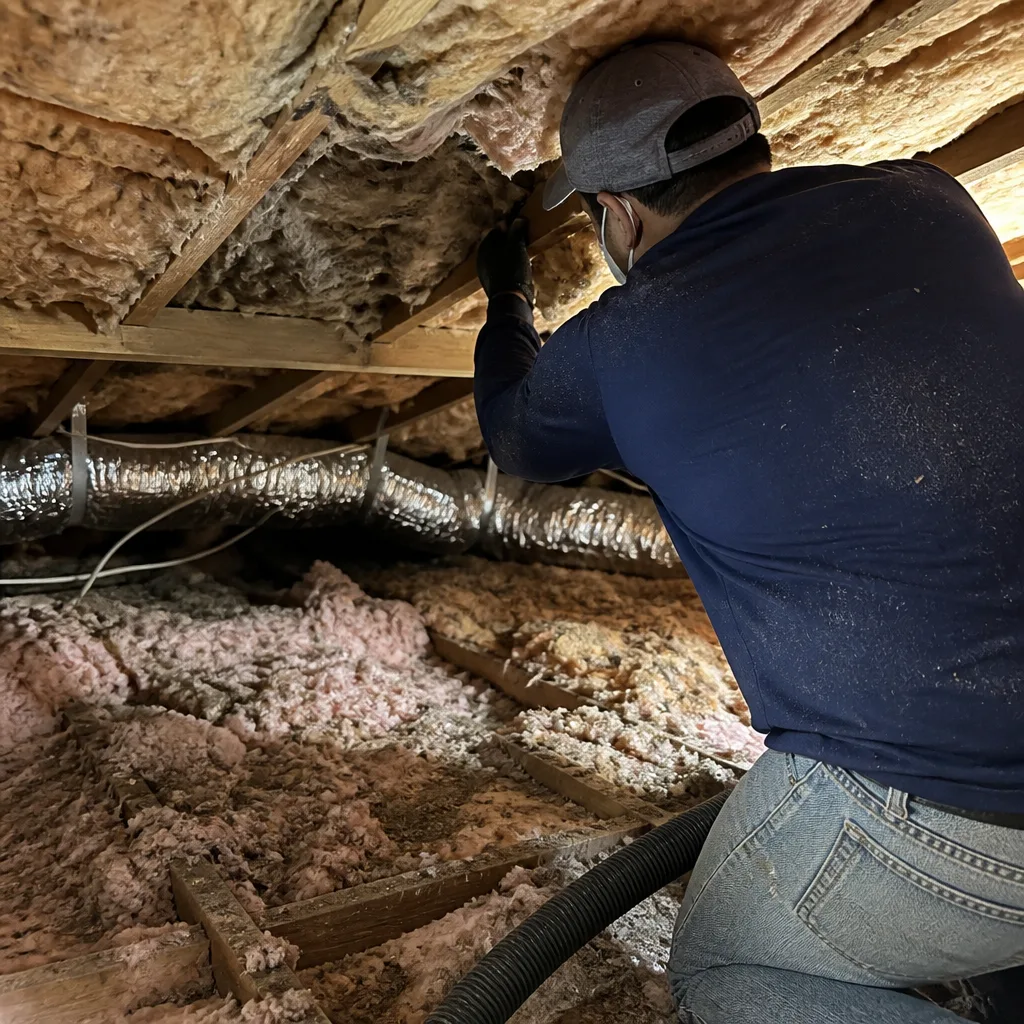 Before
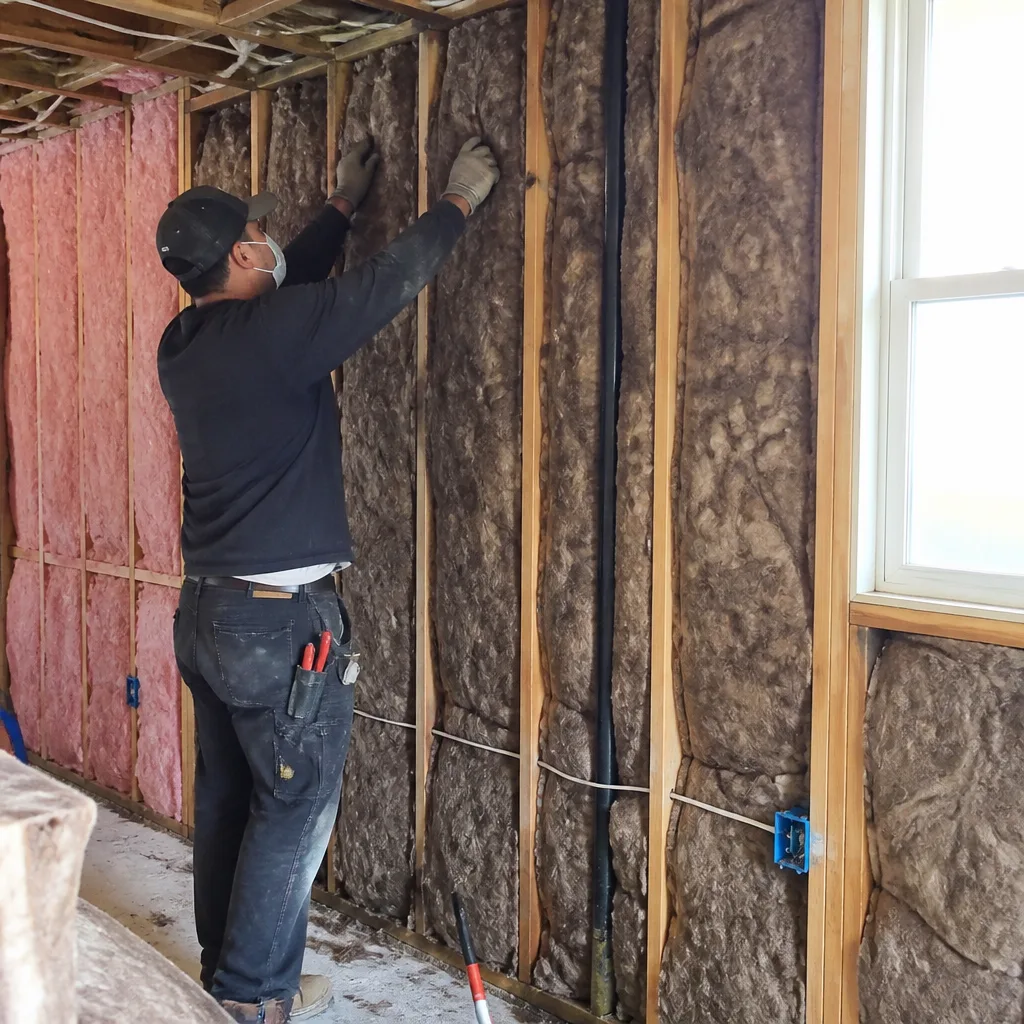 After
AfterReplacement Cost & What’s Included
| Component | Price Range (Milpitas) |
|---|---|
| 6-mil reinforced poly, standard crawl (1,000-1,400 sq ft) | $1,800-$2,400 |
| 10-mil cross-laminated poly, flood-prone zones | $2,400-$3,400 |
| Pier wrapping and mechanical fastening | $280-$450 |
| Seam taping (hot-die or acrylic, GreenFiber-spec) | $180-$320 |
| Debris removal of failed existing barrier | $200-$350 |
What drives the range: crawl space height (belly-crawls take 40% longer), number of piers to wrap, and whether we find mold remediation needs once the old poly comes up. Every job gets a Written Price Before Any Work Starts - Haven Standard Clause 1 - and the 365-Day Done Right Promise covers adhesion and seam integrity. We publish before-and-after blower-door numbers when the vapor barrier ties into a full envelope seal; the pressurization reading shows, in one figure, whether your crawl space is still communicating with conditioned air above.
DIY or Call Us?
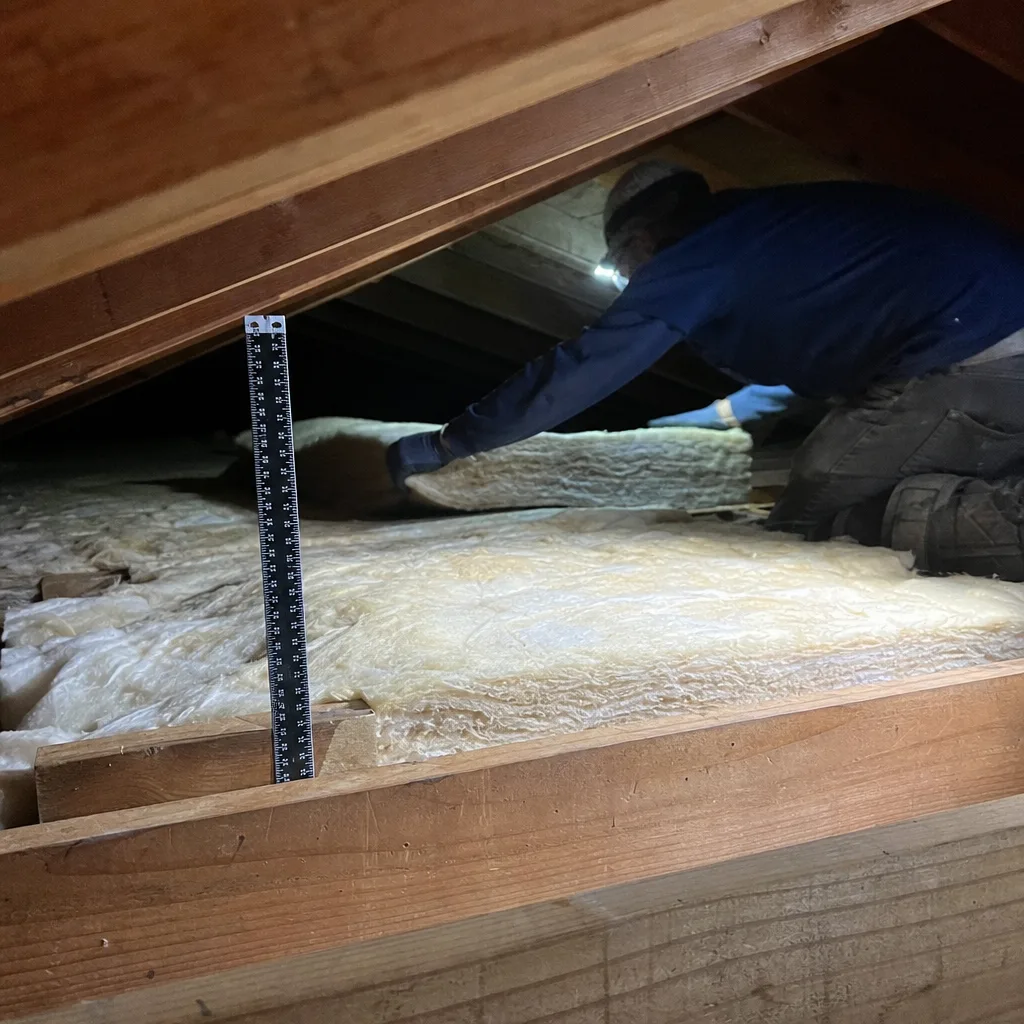
An owner can safely check three things: shine a flashlight on the poly for tears, sniff near floor registers for mustiness, and look at the crawl space access hatch for condensation staining. What goes wrong fast: cutting poly to fit around piers without mechanical fastening lets it pull free in six months; using hardware-store duct tape instead of acrylic vapor-barrier tape guarantees seam failure; and working in a crawl space with active mold without P100 respirators is not a risk worth taking.
We are an independent service provider, not affiliated with GreenFiber. Our crews carry 6-mil and 10-mil rolls, hot-die seam welders, and tamper-resistant pier wraps on every truck. If you want a Written Price Before Any Work Starts and a Documented Photo Record when we leave, call (650) 770-8707. Wes Okafor reviews every scope personally.
FAQs
Properly installed 10-mil cross-laminated poly lasts 15-20 years in Milpitas; 6-mil builder-grade fails in 8-12 years, faster in flood-zone soils east of I-680. Clay soil expansion-contraction cycles stress seams annually. Call (650) 770-8707 for an exact quote - estimates are free.
Patching works for isolated punctures smaller than a dinner plate using acrylic tape and patch poly; widespread seam failure or brittle, degrading film requires full replacement. We will show you photos and give you both options with prices. Call (650) 770-8707 for an exact quote - estimates are free.
Most Milpitas crawl spaces run one to two days: half day for removal and surface prep, half to full day for install, fastening, and taping. Tight 24-inch clearances or more than twelve piers add time. Call (650) 770-8707 for an exact quote - estimates are free.
Yes - 6-mil reinforced and 10-mil cross-laminated poly on every truck, plus Husky and Warp’s OEM-equivalent rolls. Same-day starts available for standard Milpitas crawl spaces. Call (650) 770-8707 for an exact quote - estimates are free.
Written by Wes Okafor, Owner, Topside Attic Insulation Milpitas at Topside Attic Insulation Milpitas, serving Milpitas and nearby areas.