
Rockwool Radiant Barrier Installation: The Milpitas Owner’s Guide
Rockwool radiant barrier installation in Milpitas typically runs $2,800-$4,600 for a complete attic application on a single-story home between 1,200 and 2,400 square feet, and we stock Rockwool AFB (Acoustical Fire Batt) and Comfortbatt compatible with radiant barrier assemblies for same-day starts. Most Milpitas homeowners discover the problem in July or August when their upstairs bedrooms won’t cool below 78°F despite the AC running continuously, or when they notice their radiant barrier has torn, detached, or was never properly integrated with the insulation layer in the first place.
Which Rockwool Models This Applies To
Rockwool does not manufacture a standalone radiant barrier product; instead, their stone wool insulation is paired with reflective radiant barrier materials in hybrid attic systems. The two Rockwool lines we install with radiant barrier in Milpitas are Comfortbatt (thermal batts, R-15 to R-30, typically used in walls and cathedral ceilings where radiant barrier is applied to the roof deck) and AFB evo (Acoustical Fire Batt, 1-inch to 3-inch thicknesses, used in floor-ceiling assemblies where radiant barrier faces the attic space).
To identify what you have, check the paper or foil facing on your existing insulation. Rockwool batts are dense and fibrous, gray or brown in color, and will not compress like fiberglass when squeezed. If your attic has a reflective foil layer stapled to the rafters with Rockwool batts laid on the attic floor, you have a hybrid system that requires specific sequencing: the radiant barrier must remain ventilated above, and the Rockwool must sit on a sealed air barrier below. We see confusion here in Milpitas homes near the Hillview area, where DIYers or prior contractors compressed Rockwool Comfortbatt into 2×6 rafter bays and blocked the required 3/4-inch ventilation channel above the radiant barrier, trapping moisture.
OEM Rockwool batts paired with aftermarket radiant barrier (Reflectix, LP TechShield, or similar) perform identically to all-OEM assemblies when installed correctly. We source Rockwool from our regular supplier and pair it with reflective barrier rated for California Title 24 compliance. The only compatibility gotcha: Comfortbatt R-30 is 7.25 inches thick, and Milpitas homes built 1965-1985 often have 2×6 rafters at 5.5 inches deep. Stuffing R-30 into that cavity compresses the batt to R-22 or lower and voids the radiant barrier’s air gap. We stock R-21 Comfortbatt for exactly this scenario.
Signs Your Rockwool Radiant Barrier Installation Is Failing
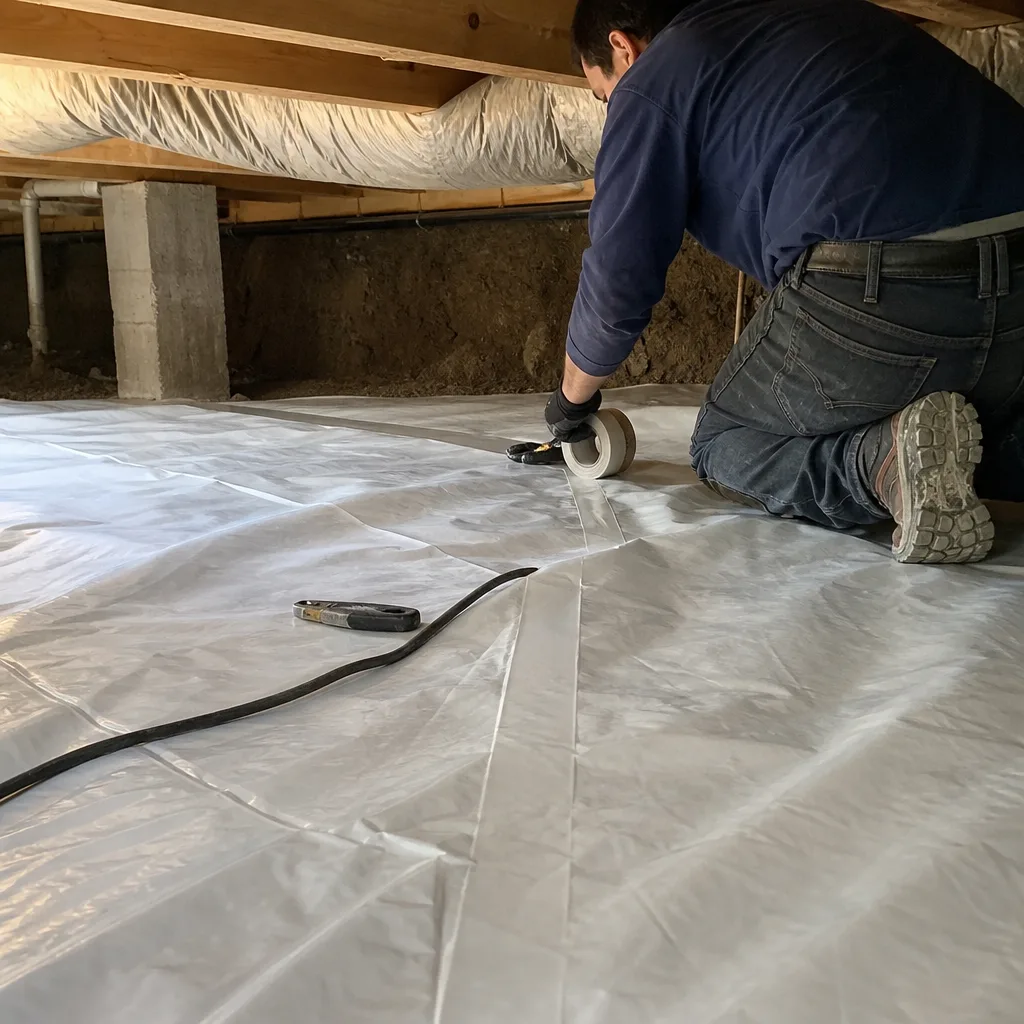
- Upstairs rooms run 8-12°F warmer than downstairs by mid-afternoon. In Milpitas, this usually means the radiant barrier has detached from the rafters or the Rockwool has settled away from the attic floor, breaking the thermal boundary. The stack effect pulls conditioned air up through gaps, and without a continuous radiant barrier, roof deck temperatures of 140°F radiate directly into the living space.
- Dust accumulation on top of the Rockwool that looks like a gray blanket. This indicates air is moving through the insulation from below, carrying particulates that filter out at the top surface. The R-value on the bag means nothing if the air is still moving through the wall - seal first, then insulate. The radiant barrier cannot compensate for an unsealed attic floor.
- Water stains on the ceiling after winter rains, but the roof is intact. When radiant barrier is installed directly against roof sheathing without the required ventilation gap, warm moist air from the attic hits the cold foil and condenses. We’ve traced this in Milpitas homes near the Penitencia Creek watershed, where morning fog and afternoon sun create rapid temperature swings. Rockwool itself is hydrophobic and won’t mold, but the surrounding framing will.
- Energy bills spiked after a prior contractor “added insulation.” A common error: blowing loose-fill fiberglass or cellulose over an existing radiant barrier on the attic floor, burying it. Once covered, the radiant barrier becomes a conductor, not a reflector, and its emissivity advantage is zero. The Rockwool beneath may also be compressed, reducing its effective R-value by 30% or more.
- Visible tears or gaps in the foil facing, especially near ridge vents or around ductwork. Rodents in Milpitas attics - roof rats are persistent near the Great Mall corridor - tear radiant barrier to nest. Gaps as small as 2% of total surface area reduce radiant barrier effectiveness by 50%. Rockwool batts are pest-resistant due to their density, but the foil facing is vulnerable.
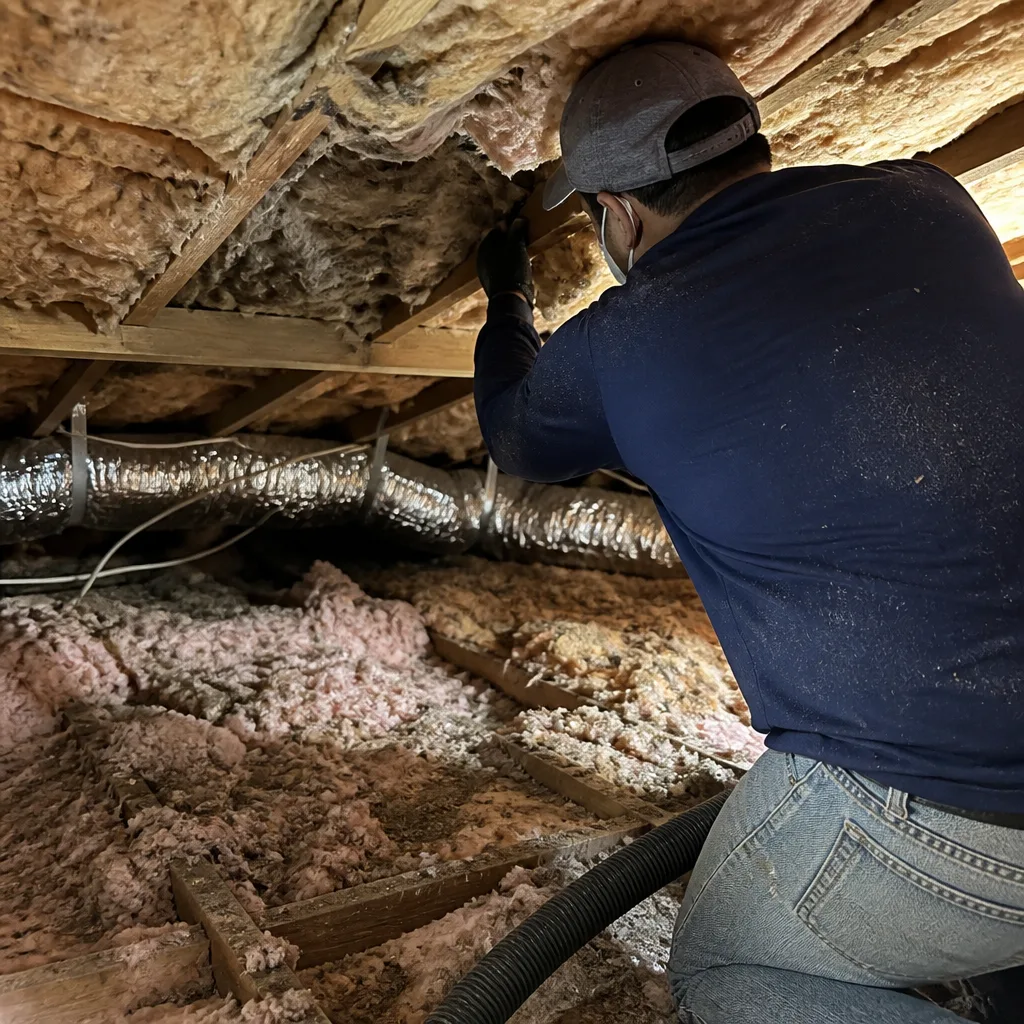 Before
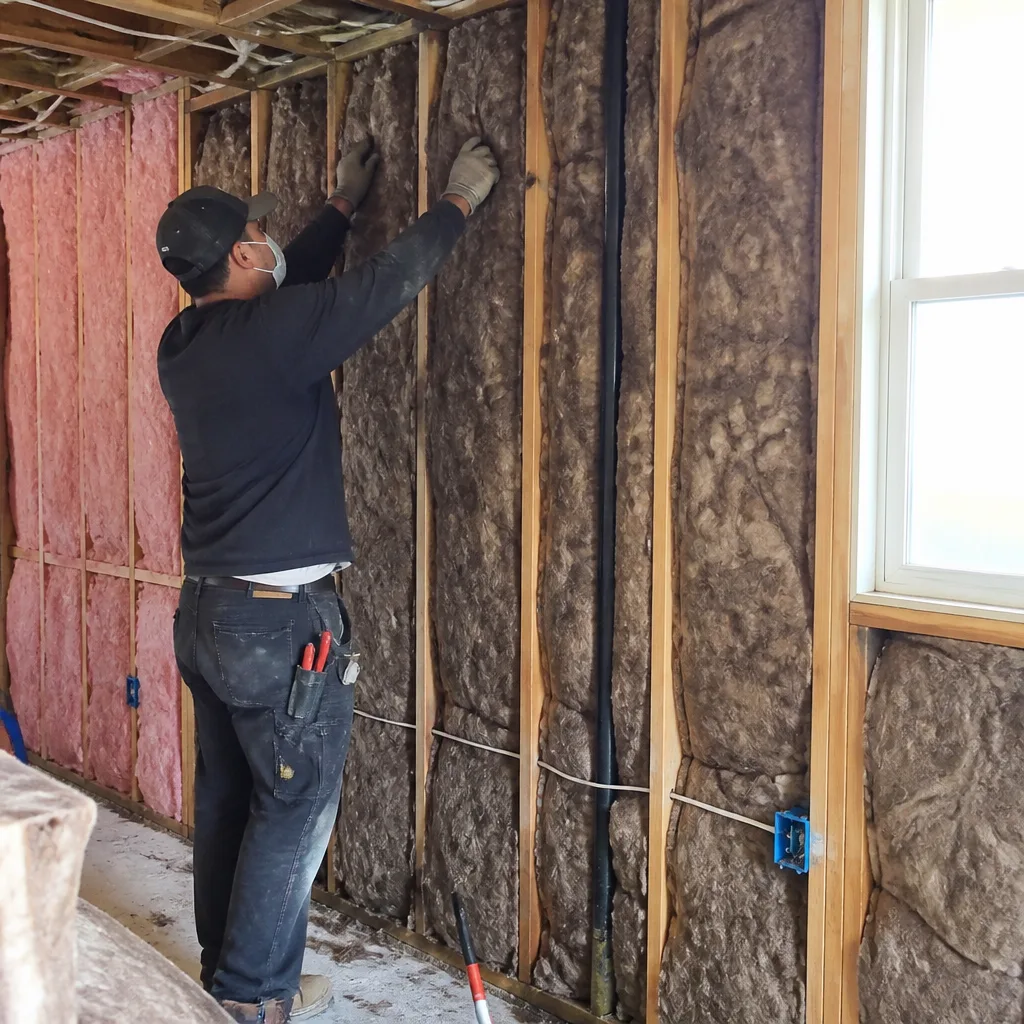 After
AfterReplacement Cost & What’s Included
For a typical Milpitas home of 1,600-2,200 square feet, complete Rockwool radiant barrier installation runs $2,800-$4,600. The low end assumes accessible attic space, intact existing Rockwool that can remain, and straightforward radiant barrier replacement on rafters. The high end includes removal of failed or improperly installed material, air sealing of top plates and penetrations, and reinstallation with proper ventilation channels.
| Component | Price Range |
|---|---|
| Rockwool Comfortbatt or AFB evo (materials only) | $1.10-$1.85/sq ft |
| Radiant barrier (foil or reflective sheathing) | $0.45-$0.90/sq ft |
| Air sealing (top plates, can lights, penetrations) | $450-$890 |
| Full removal and replacement (failed prior install) | $3,200-$5,400 |
| Blower-door test (before and after) | Included on all applicable jobs |
What drives the range: attic accessibility (truss spacing, ductwork density), whether we need to remove existing material, and the extent of air sealing required. Every job gets a Written Price Before Any Work Starts - Haven Standard Clause 1 - and a Documented Photo Record showing before, during, and after. Our 365-Day Done Right Promise covers all completed work. We do not charge for the blower-door test; we consider it essential documentation, not an upsell.
DIY or Call Us?
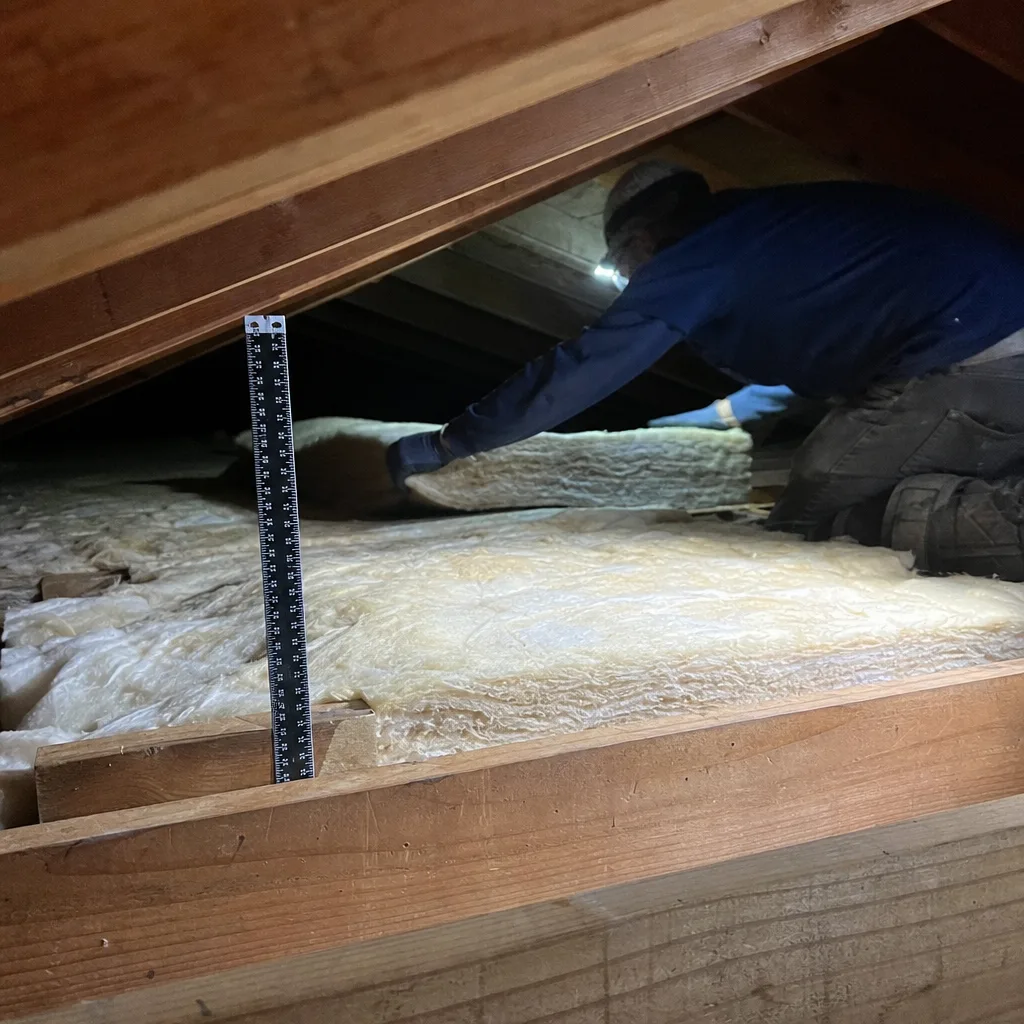
There is no dangerous high-tension component in radiant barrier installation, but there are ways to spend money and make the problem worse. A homeowner can safely check: whether the radiant barrier is intact and properly positioned (foil faces the air gap, not the insulation), whether attic vents are blocked, and whether the Rockwool is compressed or water-stained. Use a flashlight and take photos from multiple angles.
Where DIY goes wrong: installing radiant barrier directly against roof sheathing without the required ventilation gap (this causes condensation and rot in Milpitas’s fog-prone mornings), compressing Rockwool into undersized cavities, or blowing loose-fill over an existing radiant barrier and burying it. We also see homeowners staple radiant barrier to the attic floor - it belongs on the rafters or roof deck, with the reflective surface facing an air space. If your attic has HVAC ducts, the radiant barrier must be coordinated with duct sealing and insulation; an unsealed duct in a radiant-barrier attic loses 20-30% more efficiency than in a standard attic because the temperature differential is higher.
Call (650) 770-8707 if you want a free second opinion on any written estimate, or if you’d like us to walk your attic and show you exactly what we found. We answer live, 24/7.
FAQs
Properly installed Rockwool stone wool itself is rated for the life of the building; the radiant barrier foil facing typically lasts 15-25 years before oxidation or physical damage reduces reflectivity. In Milpitas, the combination of marine-layer moisture and summer UV exposure through attic vents accelerates foil degradation at the edges. We inspect for this during our initial assessment. Call (650) 770-8707 for an exact quote - estimates are free.
Small tears (under 6 inches) can be patched with foil tape rated for high temperatures, but widespread detachment, oxidation, or burial under later insulation requires removal and reinstallation. We do not patch over failed installations because the labor to patch often approaches replacement cost, and the result is visually obvious to any future inspector or buyer. Call (650) 770-8707 for an exact quote - estimates are free.
A typical Milpitas attic of 1,500-2,500 square feet takes one to two days: Day one for air sealing and blower-door verification, day two for Rockwool and radiant barrier installation with final testing. Larger homes or those with extensive ductwork may run into a third day. We do not rush the air-sealing phase; it determines whether the insulation performs as specified. Call (650) 770-8707 for an exact quote - estimates are free.
We stock Rockwool Comfortbatt and AFB evo in common R-values, plus Reflectix and Title 24-compliant radiant barrier materials on our Milpitas warehouse truck. Uncommon thicknesses or large commercial quantities may require a 24-48 hour order. We confirm material availability when we deliver your written price, before any work starts. Call (650) 770-8707 for an exact quote - estimates are free.
Topside Attic Insulation Milpitas is an independent service provider and is not affiliated with, endorsed by, or an authorized dealer of Rockwool. Rockwool is a registered trademark of ROCKWOOL International A/S.
Written by Wes Okafor, Owner, Topside Attic Insulation Milpitas at Topside Attic Insulation Milpitas, serving Milpitas and nearby areas.