
How Much Does Radiant Barrier Installation Cost in Milpitas?
Radiant barrier installation in Milpitas, CA typically costs between $1,400 and $3,200 for a standard single-story home, with most jobs landing around $1,800 to $2,400 depending on attic square footage and access conditions. Most installations are completed in a single day, and the payback period in the South Bay’s climate is generally four to seven years through reduced cooling loads.
If you want a written price before anyone touches your attic, Radiant Barrier Installation in Milpitas explains exactly how we scope and price the work – no call-for-pricing runarounds.
—
Radiant Barrier Installation Cost Breakdown (2026)
The table below reflects actual installed prices in the Milpitas market as of 2026. These are not national averages pulled from a data aggregator – they reflect what homeowners in zip codes 95035 and 95036 are paying for professionally installed, staple-up or drag-and-drape radiant barrier in a finished attic with standard access.
| Job Type / Scope | Typical Price Range (Installed) |
|---|---|
| Small attic, up to 1,000 sq ft (staple-up foil, single-sided) | $1,100 – $1,600 |
| Average home, 1,000-1,800 sq ft attic (foil laminate, staple-up) | $1,600 – $2,400 |
| Larger home, 1,800-2,600 sq ft attic (double-sided foil, full coverage) | $2,200 – $3,200 |
| Combination: radiant barrier + attic air sealing (top plates, can lights, penetrations) | $2,800 – $4,400 |
| Radiant barrier + blown-in insulation upgrade (if existing R-value is below code) | $3,200 – $5,800 |
| Removal of failed or damaged existing radiant barrier before reinstall | $400 – $900 added cost |
What These Numbers Include
Every price range above assumes a written scope delivered before work starts – Haven Standard Clause 1 at Envelope Insulation Co. means a flat price, a written scope, and a written warranty are in your hands before Wes Okafor’s crew lifts a staple gun. The numbers include labor, standard foil barrier material (single-sided radiant barrier foil, reflectivity typically 97% or better), fasteners, and a documented photo record at close. They do not include permit fees if your municipality requires one – Milpitas falls under Santa Clara County jurisdiction, and radiant barrier installation typically does not require a separate building permit, but it is worth confirming with the city if your project is paired with structural work or HVAC modifications.
What Drives the Price Up
Low-pitch roofs are common on 1970s and 1980s ranch-style homes in areas like Sunnyhills and along Calaveras Boulevard – and a 4:12 pitch attic with under 24 inches of clearance adds an hour or two of labor because the crew is working on their sides rather than kneeling. Homes near the Milpitas BART station corridor often have flat or near-flat commercial-style roofing on additions, which require a different application method. Vermiculite insulation – present in some pre-1980 homes – must be tested before any attic work begins; if asbestos is confirmed, remediation happens first and adds cost outside the ranges above.
Double-sided radiant barrier costs roughly 20-35% more in material than single-sided, but delivers measurable benefit only when there is an airspace on both surfaces. In a typical Milpitas truss attic where the barrier is stapled to the underside of the roof deck, single-sided is the technically correct product. If a contractor is recommending double-sided for a standard staple-up application without explaining why, that is worth questioning.
What Drives the Price Down
Open truss attics with good standing clearance – relatively common in 1990s and early 2000s construction in Milpitas developments near Great Mall Parkway – are faster to work in and bring labor hours down. Combining radiant barrier with an already-scheduled attic insulation job is the most efficient way to reduce cost per square foot, because mobilization and staging happen once. Envelope Insulation Co. has completed over 9,000 Radiant Barrier Installation services and related jobs since 2016, every one with a written price before work started, and we can often schedule combination jobs within the same week.
—
What Affects Radiant Barrier Installation Pricing in Milpitas
Six factors consistently move the final number in either direction for Milpitas homeowners. None of them are vague – here is what each one actually means in dollars.
- Attic square footage and layout: This is the single largest driver. Foil material and labor both scale with coverage area. A 1,200 sq ft attic in a standard two-bedroom home near Alviso Street costs less than a 2,400 sq ft attic in a larger home in the Parktown or Friendly Acres neighborhood, simply because there is more ground to cover. Irregular attic shapes – L-shaped plans, bonus room knee walls, split-level framing – add time.
- Roof pitch and attic access: A steeper 7:12 or 8:12 roof pitch actually makes staple-up easier in many cases because the crew has room to stand. Low-pitch attics common in Milpitas tract homes from the 1970s require more crawling, which slows the job and adds labor cost. A single access hatch versus multiple hatches also matters – if the crew has to pass materials through one 22×30-inch opening, staging time goes up.
- Existing attic conditions: Attics with heavy debris, disturbed batt insulation, or rodent contamination require cleaning before radiant barrier goes in – this is a separate line item, not something absorbed into the barrier price. Milpitas sits at the edge of the Diablo Range foothills, and homes in the hillside sections near Ed Levin County Park see more rodent pressure than homes in the flatlands; attic cleaning and rodent proofing may be a necessary prerequisite.
- Material specification – single-sided vs. double-sided foil: Single-sided foil with a reinforced scrim backing is the appropriate product for most Milpitas roof deck applications and typically runs $0.25-$0.45 per square foot in material cost. Double-sided foil runs $0.40-$0.65 per square foot and is warranted in situations where an airspace exists below the barrier as well (above a dropped ceiling, for instance). Specify the right product for the application rather than defaulting to the more expensive option.
- Air sealing as a prerequisite: This is a point where Envelope Insulation Co. operates differently from most local contractors. We will not install radiant barrier over an unsealed attic floor – because radiant barrier addresses radiant heat transfer through the roof deck, but it does nothing for the conditioned air leaving through open top plates, can light penetrations, and plumbing chases. In Milpitas homes built before 1995, attic floor sealing is almost always needed. Adding air sealing to a radiant barrier job adds $600-$1,500 to the project, but it is the work that actually shows on a blower-door test – a pressurization reading that shows, in one number, how much air your building envelope is losing before and after the job.
- Pairing with insulation: Milpitas sits in California’s climate zone 3, which sets a minimum attic insulation standard under Title 24. If your existing insulation is below R-38 or significantly degraded – common in homes from the 1980s that have never had insulation topped off – pairing a radiant barrier installation with blown-in insulation is both code-appropriate and cost-efficient. The combination typically runs $3,200-$5,800 installed and addresses both conductive and radiant heat transfer in a single mobilization.
—
 Before
 After
AfterIs a Radiant Barrier Worth It in Milpitas?
Milpitas averages around 260 sunny days per year, and summer afternoon temperatures on rooftop surfaces can reach 140-160°F on a dark composition shingle roof during a July heat spike. A properly installed radiant barrier – stapled to the underside of the roof deck, facing the attic air space – reflects a measured 90-97% of that radiant heat before it can conduct down into the living space. The result is a cooler attic and reduced load on your air conditioning system during the hours that matter most: 1 p.m. to 6 p.m. in June through September.
The Department of Energy estimates radiant barriers can reduce cooling costs by 5-10% in hot climates. In Milpitas, where PG&E residential electricity rates have climbed steeply since 2020, even a 6% reduction in cooling load translates to real annual savings. For a home spending $180-$250 per month on electricity in summer months, that range represents $130-$180 per year in cooling-related savings – putting payback on a $1,800 installation somewhere between 10 and 14 years on cooling savings alone. Pair the barrier with attic air sealing, and the blower-door improvement typically accelerates that payback meaningfully.
What radiant barrier does not do: it does not add R-value. It does not slow conductive heat transfer through your insulation. It does not substitute for adequate attic insulation depth. Homeowners who have been told a radiant barrier replaces insulation upgrades have been misinformed – these are complementary systems that address different physics. We explain that plainly before any scope is written, because a job that underperforms expectations is not a job done right under our 365-Day Done Right Promise.
Milpitas-Specific Climate and Building Stock Notes
The older neighborhoods east of I-880 – Sunnyhills, Midtown, and the streets around Montague Expressway – were built out largely in the 1960s and 1970s. These homes frequently have dark asphalt shingle roofs, minimal original insulation, and attic floors that have never been air-sealed. The combination of high roof surface temperatures in Milpitas summers and poor original envelope performance makes these homes strong candidates for radiant barrier plus air sealing, in that priority order.
Newer construction in the Alviso corridor and around the Transit District – townhomes and stacked condos built after 2010 – typically already meets or exceeds Title 24 insulation standards and may have code-required radiant barriers installed during original construction. Before spending money on a retrofit, confirm whether one is already present. A brief attic inspection will answer that in under fifteen minutes.
—
How to Save on Radiant Barrier Installation
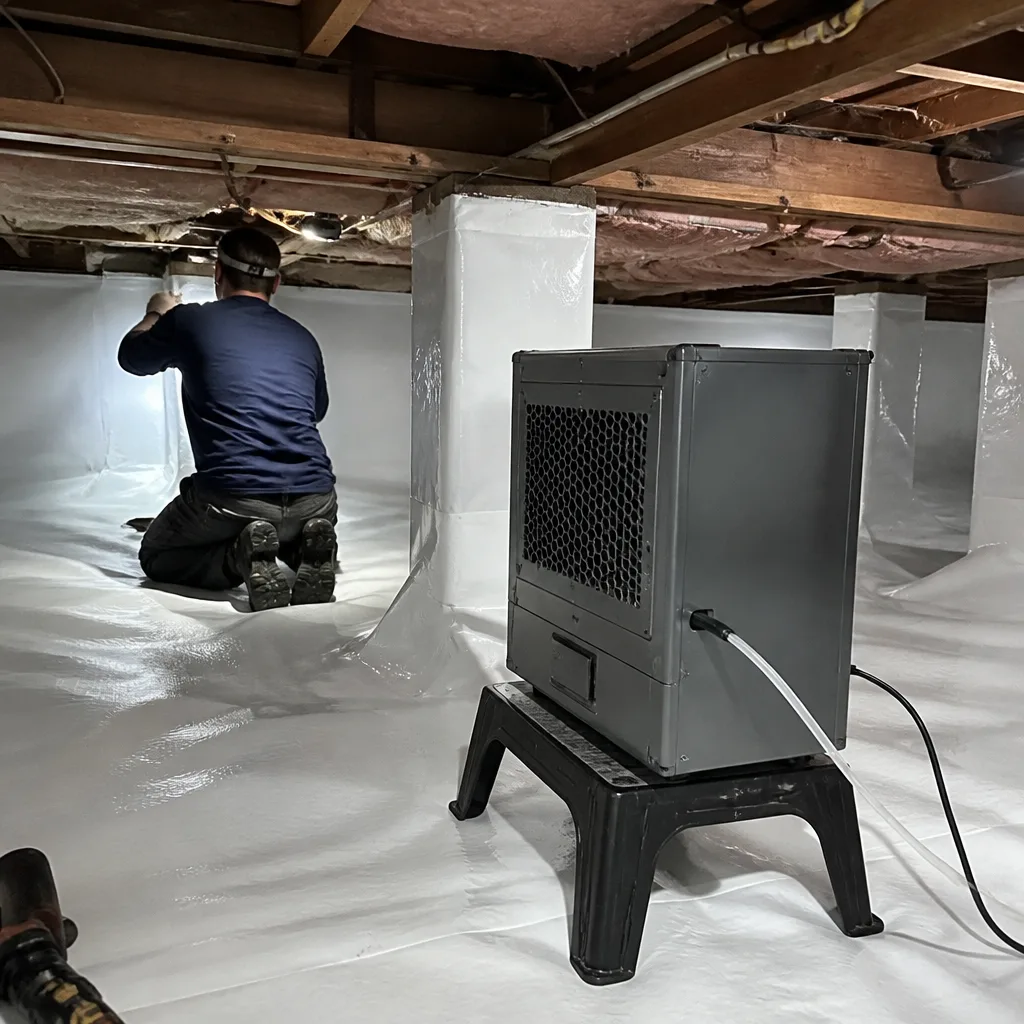
The most reliable way to reduce cost per square foot is to combine work. Radiant barrier installation paired with attic air sealing or blown-in insulation in a single job cuts mobilization costs, which are real – a crew driving to Milpitas, staging materials, setting up attic access, and breaking down at the end of the day takes time that gets billed whether the job is 800 square feet or 2,400. Combining two services into one visit spreads those costs across a larger scope.
Second: get a written price from more than one contractor, and read what is actually in the scope. A low bid that excludes air sealing is not necessarily cheaper if air sealing is something your attic actually needs. Envelope Insulation Co. offers a Free Second Opinion on any written estimate – bring us a competing quote and Wes Okafor or a member of his team will read it with you, line by line, and tell you plainly what is included, what is missing, and what the numbers actually mean. There is no obligation attached to that conversation.
Third: ask about California utility rebates. PG&E has offered rebates tied to attic insulation upgrades under their Home Energy Upgrade program in past years, and some combination projects that include air sealing qualify. Rebate availability changes annually, so confirm current eligibility at the time of your project – but a contractor who does not mention this is leaving money on the table for you.
Fourth: timing. Late fall and early winter are typically slower for attic work in the South Bay, and scheduling flexibility on your end often gives a contractor more room to fit you into a more efficient routing day. This does not always translate to a lower price, but it increases the likelihood of tighter scheduling and faster turnaround.
For a written estimate specific to your Milpitas home’s attic square footage and conditions, call (650) 770-8707. There is no charge for the estimate, and you will receive a written price before any work is scheduled – not a range, a number.
—
FAQs: Radiant Barrier Installation Cost in Milpitas
How much does radiant barrier installation cost in Milpitas in 2026?
Most Milpitas homeowners pay between $1,600 and $2,800 for a standard attic radiant barrier installation on a home with 1,000-2,000 square feet of attic space. Smaller attics under 1,000 sq ft can come in at $1,100-$1,600; larger attics or homes with low-clearance access can reach $3,200 or more. A written estimate for your specific home takes the guesswork out completely – call (650) 770-8707 and we will schedule an attic inspection and deliver a flat written price before any work is scoped.
Does Milpitas require a permit for radiant barrier installation?
Radiant barrier installation by itself does not typically require a building permit in Milpitas under Santa Clara County’s standard residential work exemptions. However, if the radiant barrier installation is part of a larger project that includes HVAC modifications, electrical work in the attic, or structural changes, those components may trigger permit requirements independently. We confirm permit status during the scoping visit – if a permit is needed, that is documented in the written scope before work starts, with the associated fees listed as a separate line item.
How long does a radiant barrier installation take in Milpitas?
Most standard installations in a Milpitas single-story home – 1,200 to 1,800 square feet of attic – are completed in four to seven hours, meaning the crew arrives in the morning and is done before the afternoon. Larger homes, low-clearance attics, or combination jobs that include air sealing may require a full day or, occasionally, a return visit for the second phase. You will know the expected time frame before scheduling – it is part of the written scope.
Can a radiant barrier lower my PG&E bill in Milpitas?
Yes, measurably – though the savings are in cooling, not heating. A properly installed radiant barrier in a Milpitas attic typically reduces cooling-related electricity consumption by 5-10%, based on Department of Energy performance data for hot, sunny climates. In practice, the homes where we see the most impact are those with dark composition shingle roofs, south or west-facing roof planes, and attic insulation below R-30. Pairing the barrier with attic air sealing produces additional savings that show up on the blower-door reading – before and after numbers we document and provide to you at close.
Is it cheaper to repair or replace a damaged radiant barrier?
Spot repairs on damaged foil – tears, sections that have pulled away from the roof deck, areas affected by a past roof leak – typically cost $200-$500 and make sense when the barrier is otherwise intact and less than 10-12 years old. Full replacement becomes the better investment when more than 30-40% of the barrier is compromised, when the original installation was stapled to the attic floor rather than the roof deck (a common mistake that significantly reduces effectiveness), or when the foil has accumulated enough dust on the reflective face to drop its emissivity below useful levels. We will give you a straight assessment during the inspection – if repair is the right call, that is what we will recommend, and if replacement is warranted, we will show you why in photos.
Do I need attic air sealing and radiant barrier, or just one?
They address different problems, so the answer depends on what your attic actually has going on. A blower-door test – a pressurization measurement that shows, in one number, how much air your building envelope is losing – is the most direct way to answer this. Homes in Milpitas built before 1995 almost always have unsealed penetrations at top plates, recessed lights, and HVAC chases; in those cases, air sealing delivers more measurable comfort improvement per dollar than radiant barrier alone. Radiant barrier is the right next step once the air leaks are addressed. Under our approach, air sealing happens first – we do not install insulation or radiant barrier over an unsealed attic floor, because the order matters for the result. Combined projects in the $2,800-$4,400 range address both.
—
Why Milpitas Homeowners Choose Envelope Insulation Co.
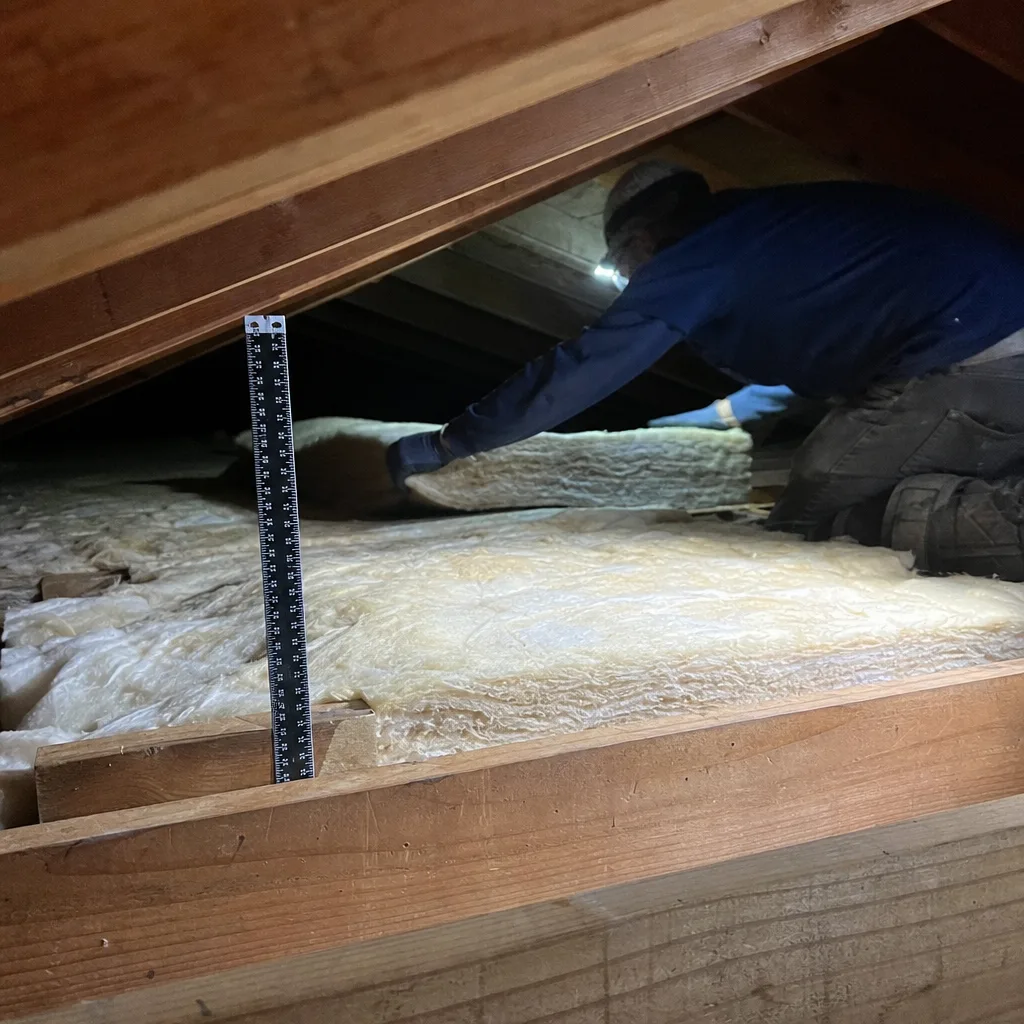
We are not the only attic contractor in the South Bay, and we do not pretend otherwise. What we can document is this: since Wes Okafor founded Envelope Insulation Co. in 2016, every one of our 9,000-plus completed jobs has started with a written price and closed with a documented photo record. On applicable jobs – every project where air sealing is part of the scope – we provide before-and-after blower-door numbers so you can see, in a single figure, what the work actually changed. That is not a marketing claim; it is a measurable result.
The Haven Standard governs every job we take. That means a written scope and written warranty before anyone arrives, background-checked uniformed technicians, and a live person answering when you call – not a voicemail box measured in business-day callbacks. Our 365-Day Done Right Promise means that if the work is not right, we return and make it right at no cost to you, under the warranty you received in writing before the job started.
For homeowners in Milpitas researching radiant barrier installation, we are also the place to start if you have a competing quote in hand. Bring us any written estimate and Wes or a team member will read it with you – comparing scope, materials, and price – with no pressure and no obligation. We source materials from Owens Corning, Johns Manville, Knauf, CertainTeed, and other major manufacturers, with no proprietary product lock-in that steers you toward a more expensive option because it is the only one we carry.
You can read more about our full building-envelope approach on our home page, or go directly to the radiant barrier service details to see how we scope and price attic work in Milpitas specifically.
—
Key Takeaways: Radiant Barrier Cost in Milpitas
- Most Milpitas radiant barrier jobs cost $1,400-$3,200 installed, with the average landing between $1,800 and $2,400 for a standard single-story home.
- Attic square footage, roof pitch and clearance, and existing attic conditions are the three biggest price drivers.
- Radiant barrier works on radiant heat transfer through the roof deck – it does not substitute for adequate insulation depth or air sealing.
- Combining radiant barrier with attic air sealing in a single job is the most cost-efficient path and the one that produces a measurable blower-door improvement.
- Milpitas’s climate zone 3 designation and high summer roof surface temperatures make radiant barrier a well-suited retrofit for pre-1995 construction, especially in Sunnyhills, Midtown, and homes along the Calaveras Boulevard corridor.
- A written price before any work starts is non-negotiable at Envelope Insulation Co. – you know the flat number before the crew schedules.
- The 365-Day Done Right Promise applies to all completed work, in writing, delivered before the job begins.
—
Get a Written Estimate for Your Milpitas Home
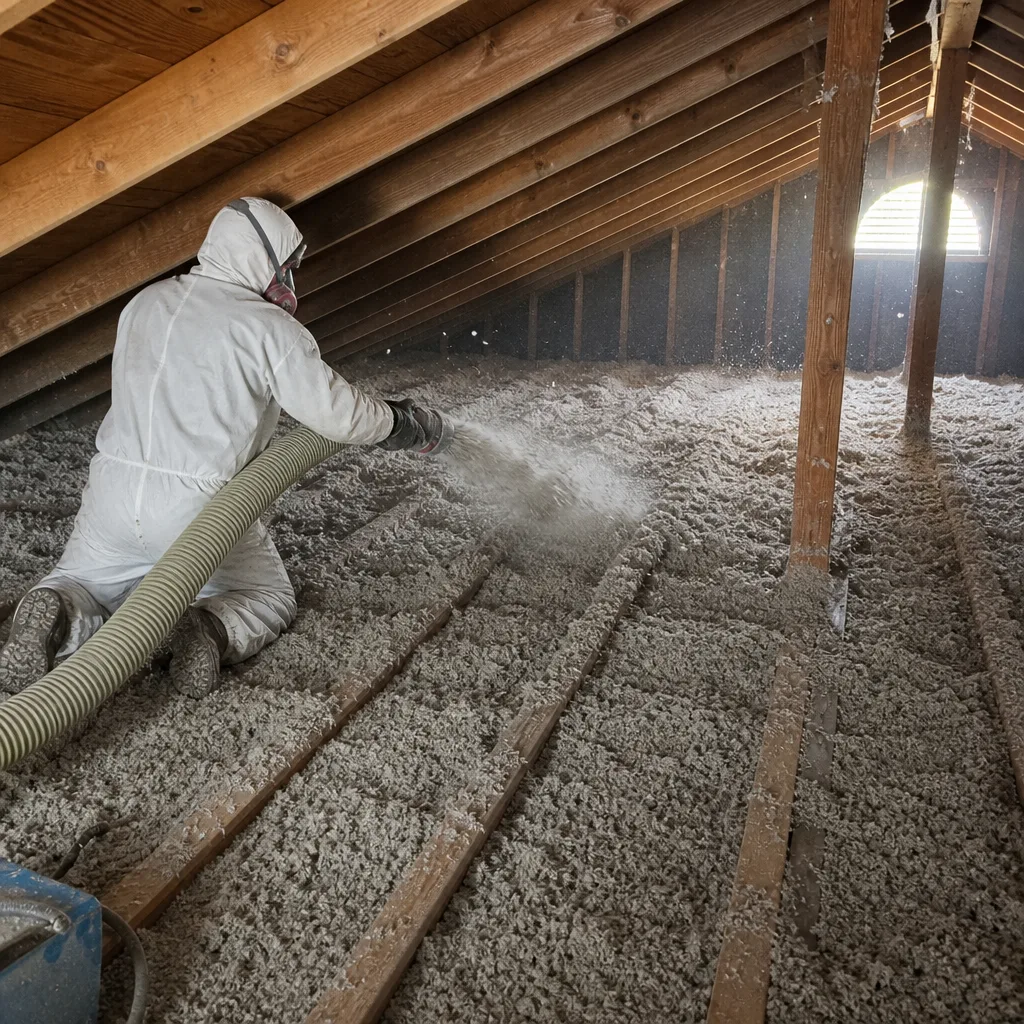
If you are trying to figure out what radiant barrier installation will actually cost for your specific attic – not a range from a national pricing database, but a flat written number for your square footage, your roof pitch, and your attic’s current condition – call (650) 770-8707. We schedule attic inspections in Milpitas and throughout the South Bay, and we deliver a written price before anyone is on the schedule to do work. No surprises at the invoice stage, because the scope does not change after you sign.
If you already have a quote from another contractor, bring it. We will read it with you and tell you plainly whether it covers what your attic actually needs.
Written by Wes Okafor, Owner at Envelope Insulation Co. (operating as Topside Attic Insulation Milpitas), serving Milpitas since 2016.
Pricing reflects the Milpitas market as of 2026. Topside Attic Insulation Milpitas offers free estimates – call (650) 770-8707.
What Our Customers Say
"They photographed rodent damage in the old insulation that we had no idea about, and priced the exclusion work separately so we could decide."
- Harriet N."Crawl space encapsulation done properly. Photographs of the vapour barrier at every seam, and the damp smell in the hallway is gone."
- Ainsley P."Turned up on time, protected the hallway, and the written scope matched what was actually done."
- Bruno S.