
Attic Baffles & Ventilation Prep in Milpitas, CA
Attic baffles – sometimes called rafter vents or insulation baffles – are the channel pieces installed between rafters that keep soffit-to-ridge airflow open when blown insulation is added. Without them, insulation piles against the eaves, blocks soffit vents, and traps summer heat that can push Milpitas attic temperatures past 140°F. Ventilation prep means confirming that airflow pathway is clear and balanced before any insulation goes in – because insulation added over a blocked vent is insulation working against itself.
At Topside Attic Insulation Milpitas, we treat ventilation prep as a hard prerequisite, not a line item we add if you ask. Under the Haven Standard, no insulation – not GreenFiber, not Owens Corning, not any product we carry – goes into your attic until the vent channels are clear, baffles are set, and the attic floor is air sealed at every top plate, can-light penetration, and pipe chase. That order matters. Call us at (650) 770-8707 to schedule a free attic assessment, and we’ll put a written price in your hands before anyone touches a tool.
This service sits under our full Attic Insulation in Milpitas program. If you’ve already had an insulation estimate and you’re not sure whether baffles were included in the scope, bring us that quote – we’ll read it with you, at no charge.
When You Need Attic Baffles & Ventilation Prep
- Your attic temperature reads significantly higher than outdoor temperature in summer. Many Milpitas homes built in the 1970s and 1980s along Calaveras Boulevard and in the Sunnyhills neighborhood have original soffit vents that have been painted over or packed with debris. When soffit-to-ridge flow is interrupted, heat loads in the attic spike and radiate into the conditioned space below – your air conditioner works harder and bills climb.
- You can see insulation pressing directly against the roof sheathing at the eaves. If a previous contractor blew insulation without setting baffles first, the material has almost certainly blocked your soffit vents. This is common in Milpitas homes that received insulation upgrades during the early 2010s energy-rebate wave – work done quickly and without ventilation verification.
- Your roof shows signs of moisture damage near the ridge or at the eaves. Blocked attic ventilation traps humidity. In Milpitas, morning marine layer from the bay keeps ambient moisture elevated from November through April; without adequate airflow, that moisture condenses on the underside of the roof deck and works its way into the sheathing.
- You’re adding insulation and the attic currently has R-19 or less. California Title 24 typically requires attic insulation at R-38 in climate zone 3, which covers Milpitas. Getting there from R-19 means adding significant depth of blown insulation – and that depth will cover soffit vents entirely if baffles aren’t in place to hold it back from the eaves.
- You have recessed can lights in any ceiling below the attic. Older non-IC-rated cans are air-leakage points, but they also require specific handling during the baffle and air-seal stage. If the cans haven’t been addressed, blown insulation can’t do the job it’s supposed to do.
- Your home has a hip roof, a vaulted section, or a steeply-pitched area. These roof geometries are common in Milpitas neighborhoods like Alviso Crossing and along Lundy Avenue. They reduce usable rafter bay depth and make baffle installation trickier – which is exactly why a pre-insulation inspection matters before you commit to a product depth.
Our Attic Baffles & Ventilation Prep Process
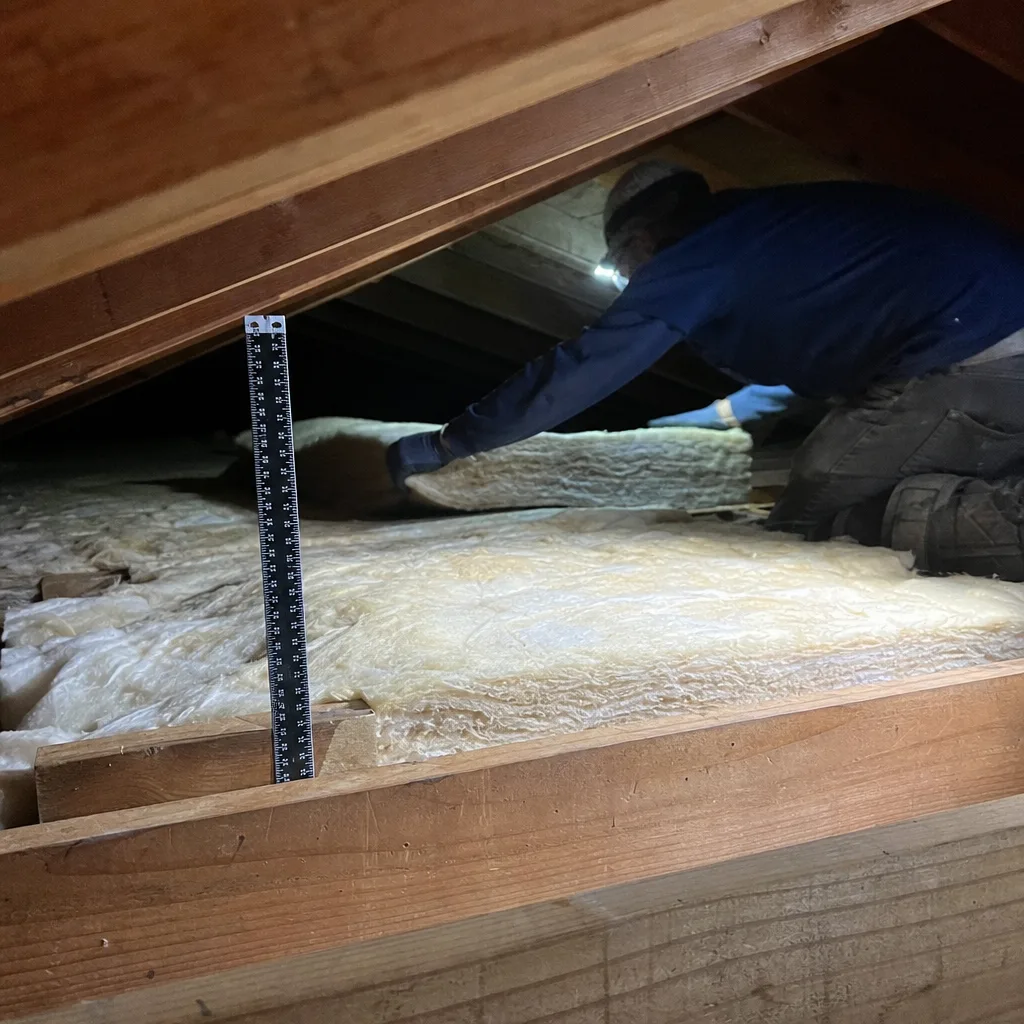
- Written scope and price before we start. Haven Standard Clause 1 is non-negotiable: you receive a flat written price and a detailed scope before anyone enters your attic. The scope names the baffle product, the number of rafter bays to be addressed, any air-sealing materials specified, and what the finished attic will look like when the crew leaves. There are no verbal promises – it’s all on paper.
- Full attic inspection with blower-door baseline (on applicable jobs). Before we set a single baffle, a technician measures the attic from ridge to eave: rafter bay depth, existing vent-free area, soffit vent condition, ridge vent or gable vent configuration, and any penetrations through the ceiling plane. On full insulation jobs, we run a blower-door test – a pressurization reading that shows, in one number, how much air the building envelope is losing – so we have a before number to compare against when the job is done.
- Air sealing of the attic floor – every penetration, every top plate. This step happens before baffles are installed and before any insulation is added. We seal top-plate gaps, wire and pipe penetrations, can-light enclosures, and any attic hatch perimeter using appropriate materials – foam, fire-rated caulk, or rigid blocking depending on the opening type. In a typical Milpitas two-story home with 1,600 to 2,200 square feet of attic floor, this stage alone can take two to three hours. Skipping it and blowing insulation over the gaps is the most common reason homeowners call us after a previous contractor’s work failed to move their energy bills.
- Baffle installation in each rafter bay. We install a ventilation channel – typically a cardboard, foam, or rigid plastic baffle – in every rafter bay running from the soffit opening up to the open attic space. The baffle holds the insulation away from the roof sheathing and keeps a clear one-inch-minimum airway (California code minimum; we typically achieve 1.5 inches). On hip-roof sections and at valleys, we adapt the baffle geometry to fit the actual rafter configuration rather than cutting corners because access is awkward. This is detail work, and it’s slow on purpose.
- Soffit and ridge vent verification. After baffles are set, we confirm that every soffit vent is actually open – not painted, not blocked by debris from outside, not covered by old insulation from a prior job. We also verify that the ridge vent or gable vents provide adequate exhaust area to balance the intake. The 1-to-150 net free area ratio (one square foot of ventilation per 150 square feet of attic floor area) is the California standard; we document the measured ratio for your records.
- Documented photo record and post-job blower-door reading. Every Topside job closes with a documented photo record – photos of the attic before work started, during the air-sealing stage, after baffles were set, and after insulation was completed. On applicable jobs, the post-job blower-door number is added to the same report so you can see the before-and-after in one document. That report is yours; it stays with the house and can go to a buyer if you sell.
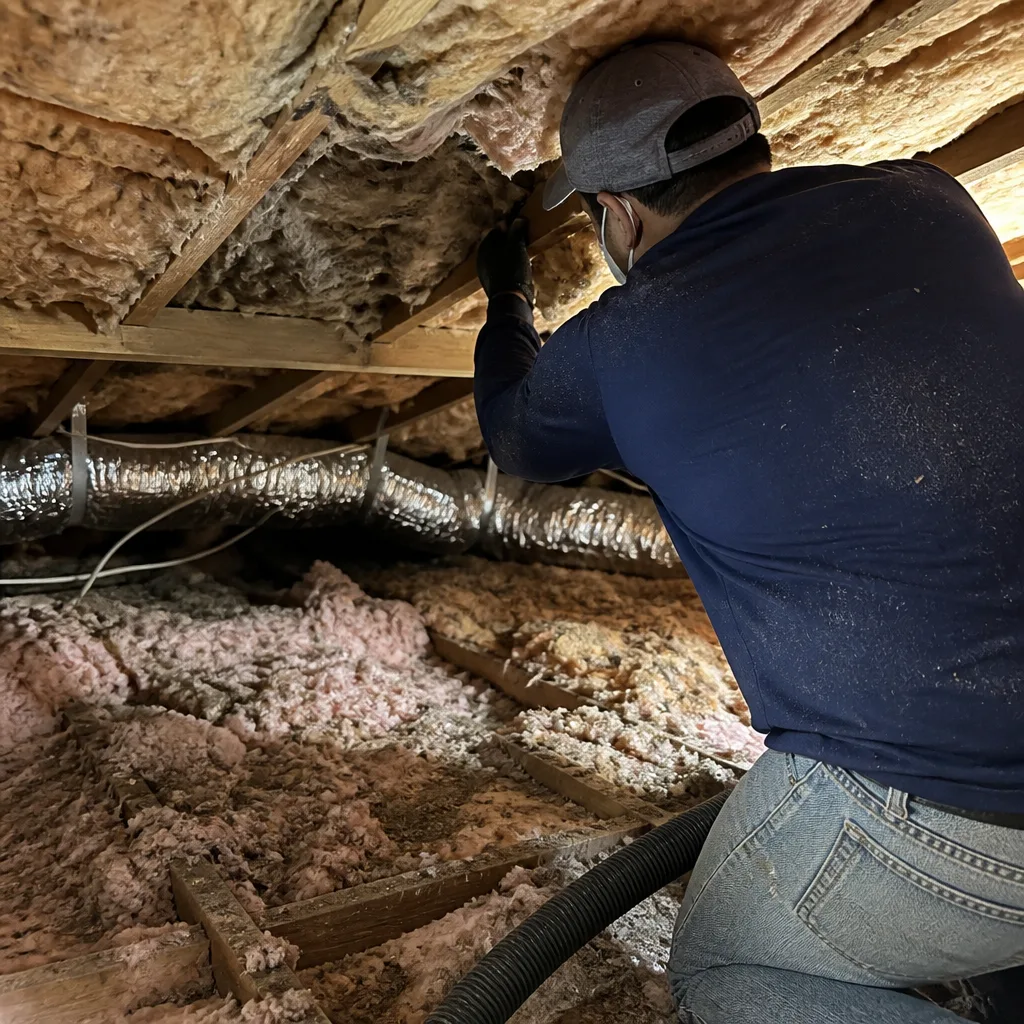 Before
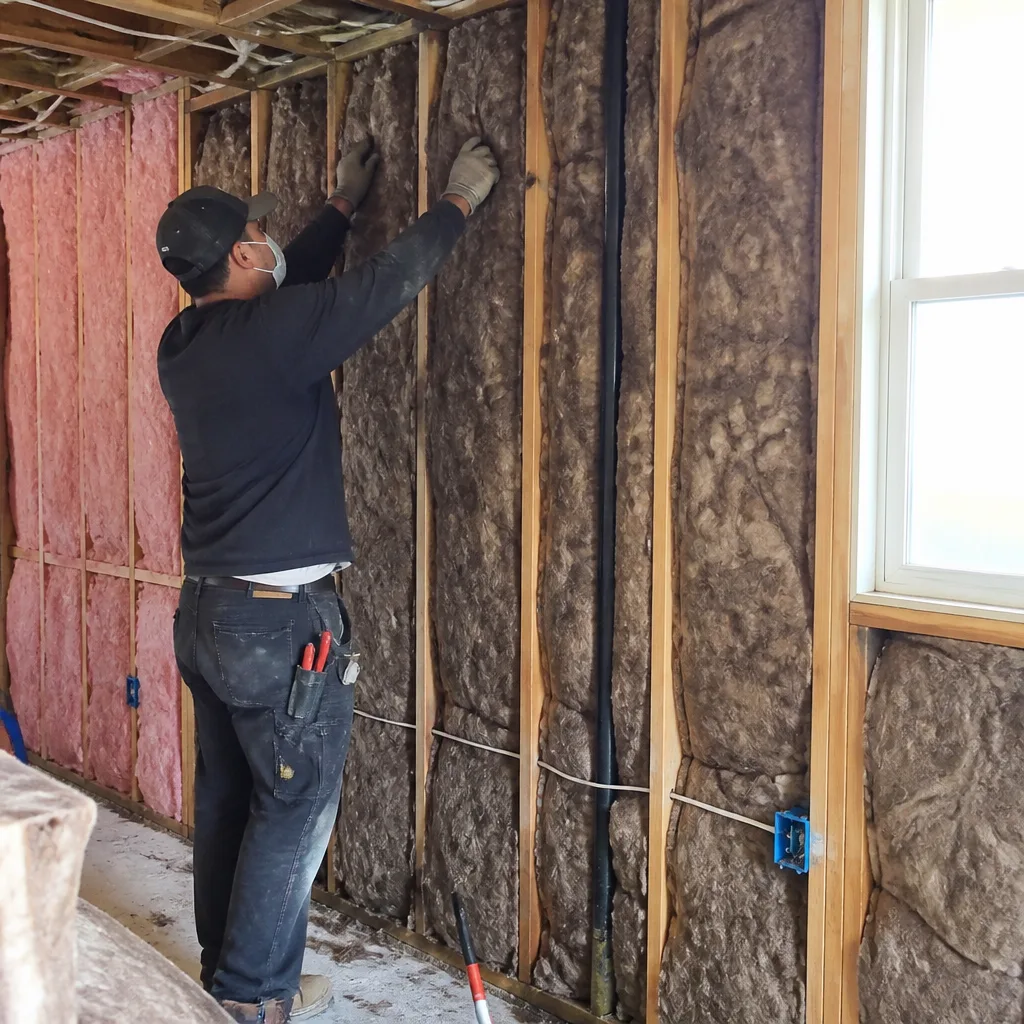 After
AfterAttic Baffles & Ventilation Prep Pricing in Milpitas
Baffle installation and ventilation prep in Milpitas typically runs between $350 and $950 as a standalone scope, or is included in the total price when paired with Attic Insulation services. The range is wide because the variables are real: rafter bay count, attic access difficulty, and the amount of air sealing required at the ceiling plane all move the number.
| Scope | Typical Range (Milpitas market) |
|---|---|
| Baffle installation only, standard access, 1,200-1,600 sq ft attic | $350 – $550 |
| Baffle installation + attic floor air sealing, same size | $600 – $850 |
| Baffle + air seal + complex roof geometry (hip roof, vaulted sections) | $800 – $1,250 |
| Full prep package included with attic insulation job | Included in total insulation price – see Attic Insulation in Milpitas for ranges |
What moves the price up: tight soffit access that requires extra time to reach deep rafter bays, a large number of can-light penetrations needing air-seal enclosures, damaged or missing soffit vent screens that need replacement, and attics with knee-wall sections that add linear footage for Attic Batt Insulation. What keeps it at the lower end: good pull-down stair access, a simple gable roof with uniform rafter bays, and minimal existing penetrations through the ceiling plane.
Under Haven Standard Clause 1, you receive a flat written price before any work starts. We don’t quote a range on arrival and then adjust up when the job is harder than expected. The scope is fixed, and so is the price. Call (650) 770-8707 to schedule a free attic assessment – we’ll give you a written price at the end of that visit.
Key Takeaways
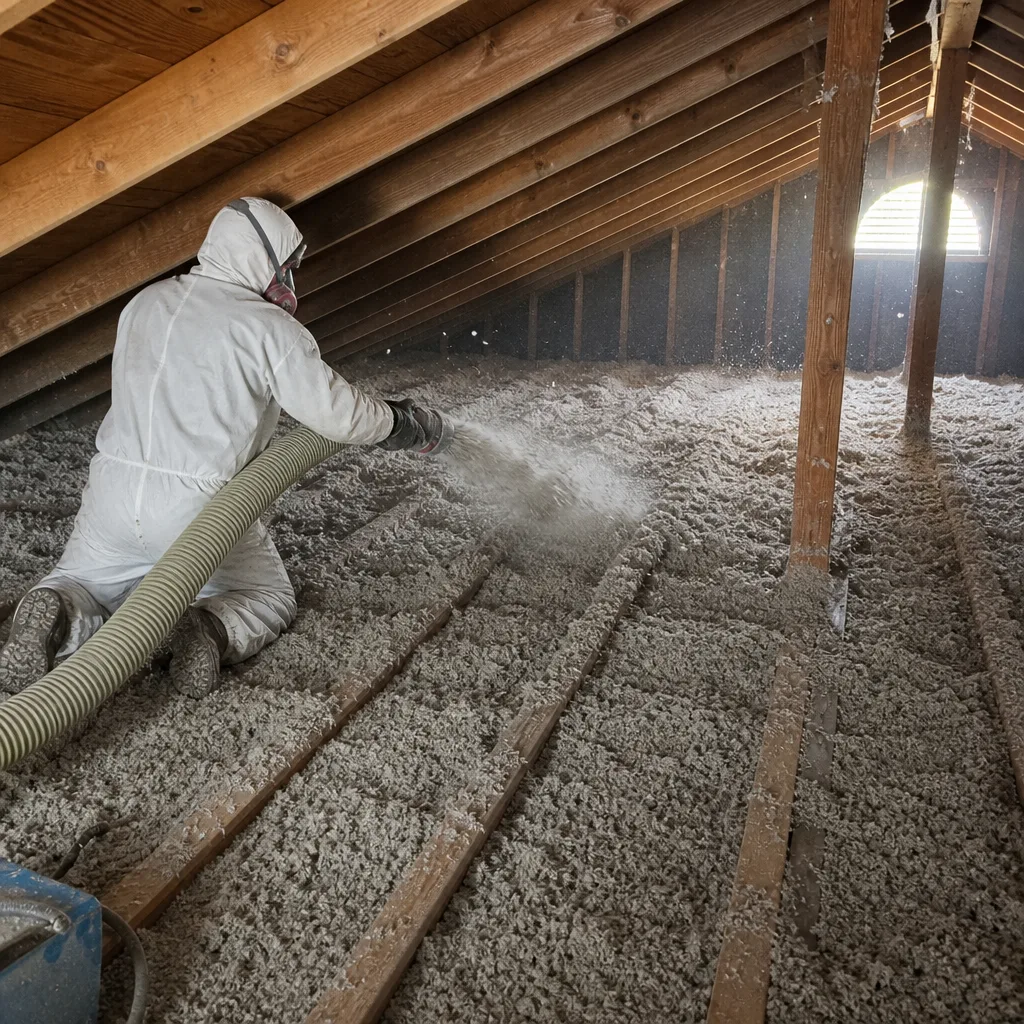
- Baffles must go in before insulation – not after, not at the same time.
- Air sealing the attic floor is completed before baffles are installed. The order is: seal, then baffle, then insulate.
- Milpitas homes in Sunnyhills, Alviso Crossing, and older sections along Calaveras Boulevard frequently show blocked soffit vents from prior insulation work done without baffles.
- California’s Title 24 climate zone 3 requirements and the 1-to-150 net free area ventilation ratio apply to your attic – we document your measured ratio in the job record.
- Every job closes with a documented photo record; blower-door before-and-after numbers are included on applicable jobs.
- The 365-Day Done Right Promise covers all completed work – if it’s not right, we fix it.
FAQs – Attic Baffles & Ventilation Prep
What exactly is an attic baffle, and why does it matter in a Milpitas home?
An attic baffle is a rigid channel – cardboard, foam board, or plastic – installed between roof rafters to hold a clear airway from the soffit vent to the open attic space. It matters in Milpitas specifically because our climate runs hot and dry from June through September, with attic air temperatures that can reach 135-145°F on east-facing roof planes in neighborhoods like Sunnyhills. Without baffles, blown insulation migrates into the soffit opening, blocks the intake vent, and turns the attic into a heat trap that the cooling system has to fight all summer. A baffle costs a fraction of what an extra ton of AC capacity costs to run. Call (650) 770-8707 for a written price on baffle installation before your next insulation job.
Can I add insulation to my Milpitas attic without installing baffles first?
You can, but you shouldn’t, and we won’t do it. Adding blown insulation without baffles in place will block your soffit vents at the depth needed to meet California’s R-38 Title 24 requirement for climate zone 3. Blocked soffit vents reduce attic ventilation, raise deck temperatures, and can accelerate shingle degradation on the low-slope sections of your roof. We’ve inspected dozens of Milpitas attics where a previous contractor skipped this step and the homeowner spent the next several summers wondering why their energy bills didn’t change after insulation was added. The prep work exists to protect the insulation’s performance.
How long does attic baffle and ventilation prep take, and will it delay my insulation job?
Baffle installation and air sealing for a typical Milpitas home – 1,400 to 2,000 square feet of attic floor, standard gable roof – takes three to five hours when done as a standalone scope, and is usually completed the same day as the insulation blow-in when both are scheduled together. Complex roofs with hip sections or multiple dormers, or attics with a high count of can-light penetrations, can push the prep stage to a full day. We build the prep time into the written scope before the job starts, so you know the schedule going in – no surprises on the day of work. Call (650) 770-8707 to schedule your free assessment for Attic Insulation Near Me in Milpitas, CA.
What is the 365-Day Done Right Promise, and does it cover baffle work?
The 365-Day Done Right Promise means that if anything we installed, sealed, or set isn’t performing as specified in the written scope within 365 days of job completion, we return and make it right at no additional cost. It covers baffle installation, air sealing, and any associated ventilation work – not just the insulation itself. The promise is backed by a written warranty delivered before work starts, not offered after the fact. Every job also closes with a documented photo record so there’s no ambiguity about what was completed. If a soffit vent we verified as open is blocked six months later due to a defect in our work, that’s a covered call-back, not a new service visit.
Written by Wes Okafor, Owner at Topside Attic Insulation Milpitas, serving Milpitas.