
Attic Insulation Top-Up in Milpitas, CA
An attic insulation top-up adds new blown-in material over your existing insulation to bring the total depth up to current California Title 24 standards – typically R-38 to R-60 in the Santa Clara Valley climate zone. Most Milpitas homeowners need a top-up when their attic floor is reading between R-11 and R-25, which is common in homes built before 2000 in neighborhoods like Sunnyhills, Alviso-area subdivisions, and the hillside streets east of Calaveras Boulevard. The job usually takes three to five hours, and most homes are done the same day.
At Topside Attic Insulation Milpitas, we treat every top-up the same way we treat a full replacement: air sealing comes first, the insulation goes in second, and you receive a written price before anyone climbs into your attic. That sequence matters more than most contractors admit, and we’ll explain exactly why below. For the full picture of what we do in attics across Milpitas, see our Attic Insulation in Milpitas service page. You can also reach us directly at (650) 770-8707 – a live person answers, no voicemail.
Envelope Insulation Co. has operated under The Haven Standard since 2016, which means every job starts with a written scope and written price, and closes with a documented photo record. Wes Okafor leads every project with that standard applied without exception.
When You Need an Attic Insulation Top-Up
The clearest sign is a thermometer, not a contractor’s pitch. But there are quieter signals worth knowing.
- Rooms that don’t hold temperature during Milpitas summers. When afternoon heat pushes past 90°F on the flatlands near McCarthy Ranch, an attic with R-19 or less transfers that heat load directly into your living space. If your HVAC runs in long cycles from June through September and the second floor still feels stuffy, thin insulation is the first thing to check – not the equipment.
- An attic floor that measured under R-38 on a recent energy audit. California’s Title 24 currently targets R-38 as the code minimum for climate zone 4, which covers most of Milpitas. Homes built in the 1970s and 1980s in the Parktown and Sunnyhills tracts were typically installed to R-11 or R-19. If your audit shows anything below R-30, a top-up will almost certainly pay back in reduced cooling costs within a few years.
- Visible joists in the attic. If you or a contractor can look across your attic floor and clearly see the tops of the framing joists, you’re under-insulated. Code-compliant blown insulation should sit several inches above the joists – you shouldn’t be able to see them at all.
- Higher-than-expected PG&E bills compared to similar homes on your street. Milpitas sits in a climate that runs both heating and cooling loads. A home on Dixon Landing Road with poor attic insulation can spend $40 to $80 more per month than an equivalent home with a properly insulated attic, depending on square footage and thermostat habits.
- Insulation that’s been compressed, wet, or disturbed. Blown cellulose or fiberglass loses R-value when it settles over time or when HVAC contractors walk across it during service visits. If your insulation has been flattened or raked aside around duct runs, a top-up restores the coverage. We always inspect for moisture damage first – if the existing material is wet or contaminated, we’ll tell you before quoting a top-up, because adding insulation over damaged material makes the problem worse, not better.
- You’re preparing to sell or refinance. Home energy ratings matter more in the current Bay Area market than they did five years ago. A documented attic insulation upgrade – with before-and-after blower-door numbers – gives appraisers and buyers something concrete to point to, not just a verbal claim from a seller’s disclosure form.
Our Attic Insulation Top-Up Process
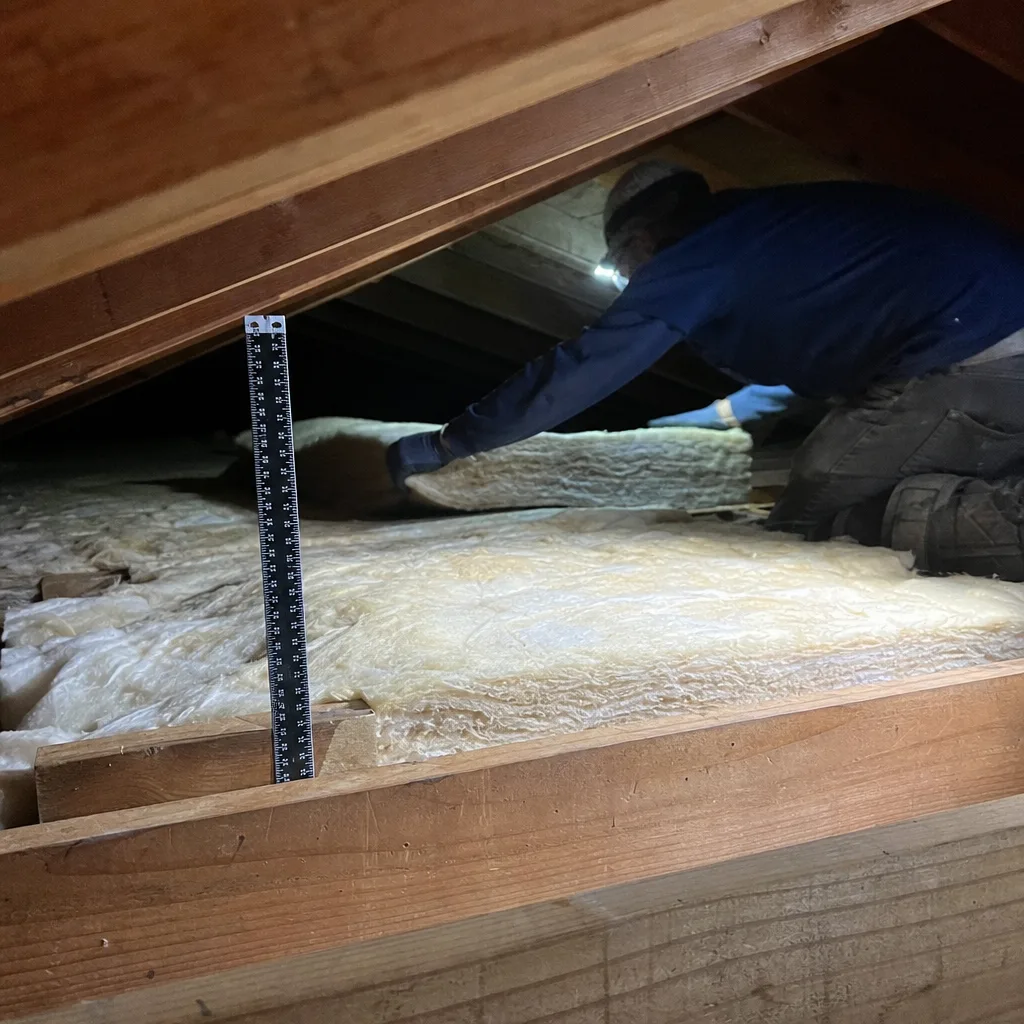
We follow the same sequence on every top-up in Milpitas. Skipping step one is not an option under The Haven Standard – it’s the reason Envelope Insulation Co. publishes blower-door readings and not just photos of fluffy insulation.
- Measure what’s there before touching anything. Before we quote, we measure existing insulation depth at multiple points across the attic floor and note any areas where coverage has settled unevenly. We also check for moisture, pest activity, or compressed sections. In Milpitas homes near the Alviso slough corridor, we occasionally find condensation issues linked to the area’s proximity to the Bay – that gets documented and flagged before a quote is issued, never discovered mid-job.
- Run a blower-door test and record the baseline number. A blower-door test – a pressurization reading that shows, in one number, how much conditioned air your building envelope is losing – gives us the pre-work baseline. We publish this number. If the test shows significant air leakage at the attic floor, the next step is mandatory before any insulation goes in.
- Seal all attic floor penetrations before blowing anything. This is the part most contractors skip or offer as an upsell. We seal top plates, recessed light housings, electrical and plumbing penetrations, and HVAC chase openings using two-part spray foam and fire-rated caulk – before a single bag of insulation is opened. In older Milpitas construction from the 1960s and 1970s, open top plates are nearly universal and can account for as much air leakage as a window left open permanently. Adding insulation over unsealed penetrations traps the air loss under the new material and does nothing to fix it. We won’t do it.
- Blow new insulation to the target R-value depth. We install blown-in GreenFiber cellulose or Owens Corning blown fiberglass depending on what the existing insulation type and attic conditions call for – not based on which product we have most inventory of. Depth markers are placed across the attic floor at regular intervals so the installed depth can be verified from below through the access hatch. The target depth is written into your scope before work starts.
- Run the post-work blower-door test and document the result. After the insulation is in place, we run the blower-door test again and record the new number. The before and after figures go into your documentation. If we sealed a 4,200 CFM50 attic floor and brought it to 2,600 CFM50 after sealing, that’s what your paperwork says – specific numbers, not a vague claim about improvement.
- Photograph the completed attic floor and deliver the full record. A documented photo record is included on every visit – not available on request. You receive photos showing the completed insulation depth at each depth marker, the sealed penetrations, and any pre-existing conditions we flagged. Your written warranty arrives with the job documentation, same day.
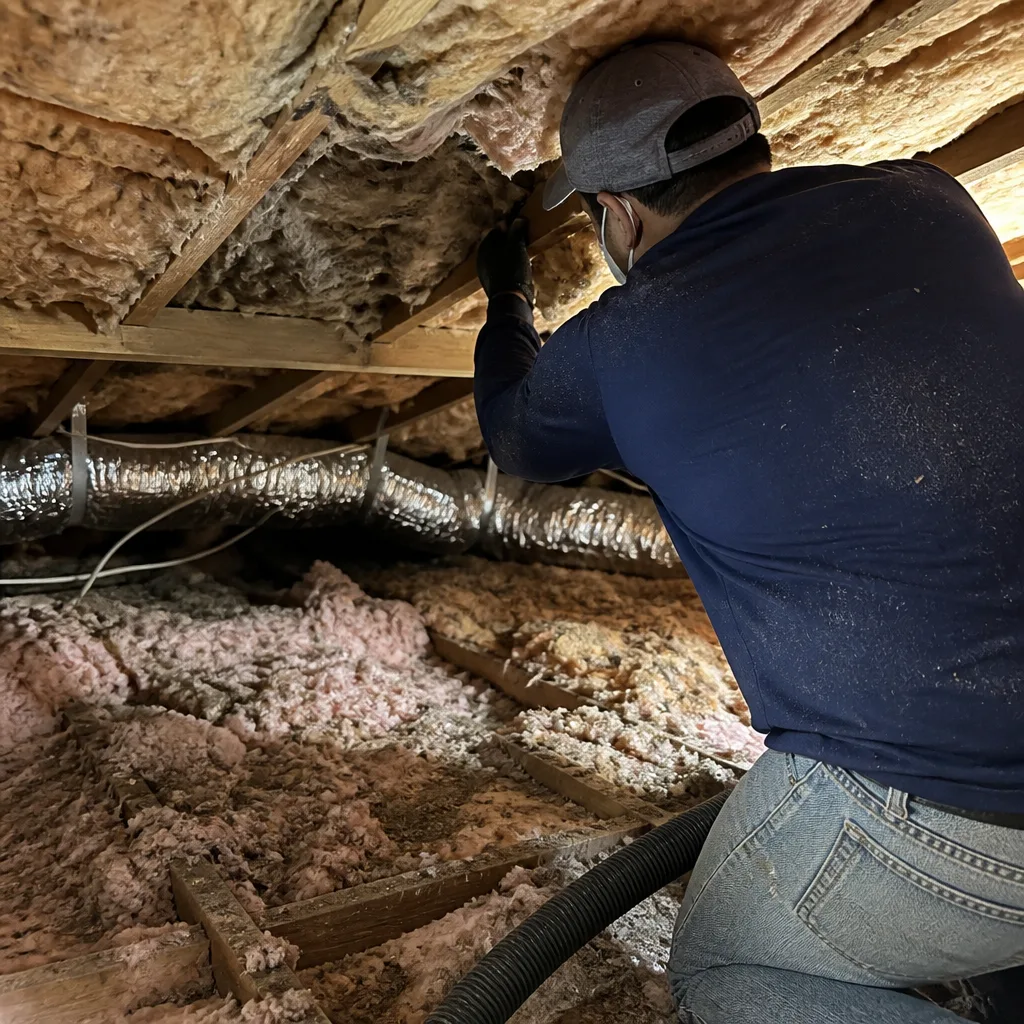 Before
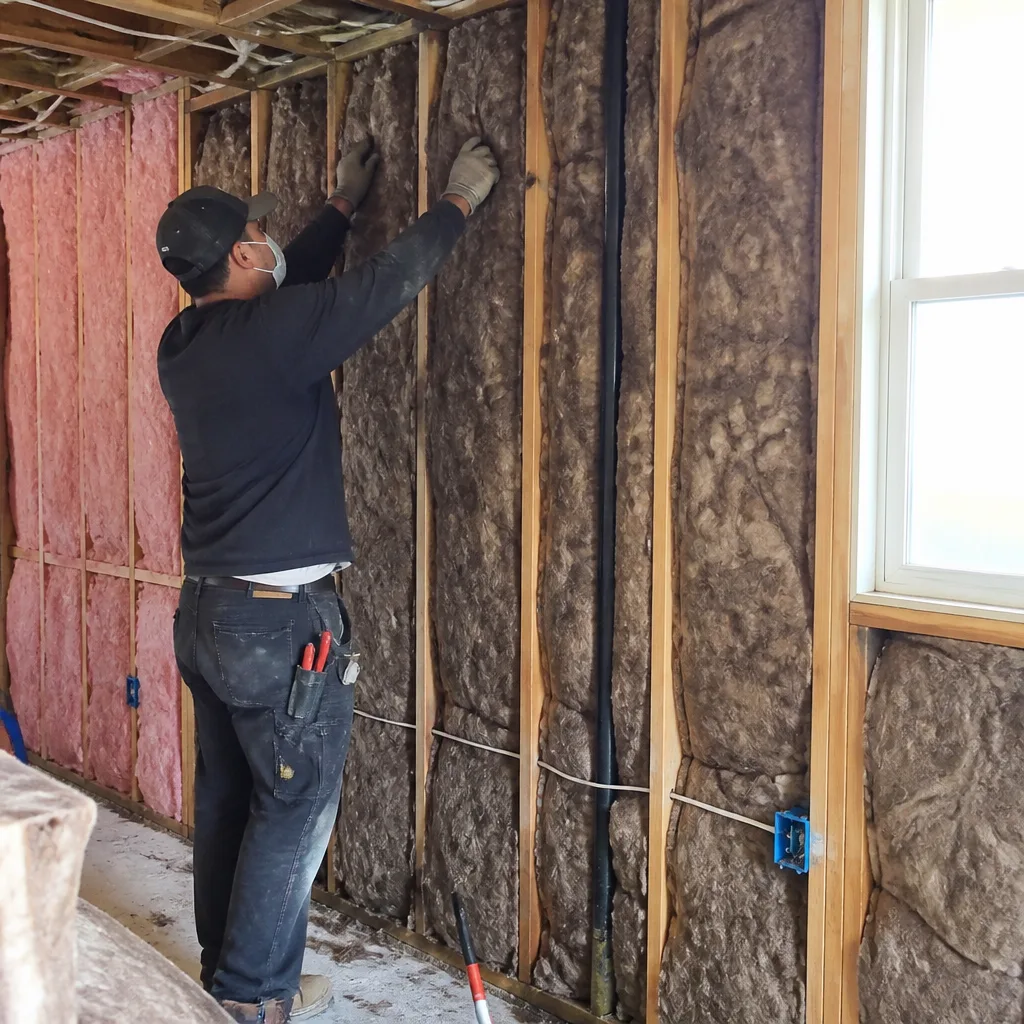 After
AfterAttic Insulation Top-Up Pricing in Milpitas
Most attic insulation top-up jobs in Milpitas run between $900 and $2,400, depending on attic square footage, starting R-value, and how much air sealing work the attic floor requires before insulation goes in. That range covers the majority of single-story and two-story homes in Milpitas from around 1,200 to 2,800 square feet.
Under Haven Standard Clause 1, you receive a written flat price before any work begins. No estimates that grow on the day of installation. Here’s how the main variables affect what you’ll pay:
| Variable | Typical Effect on Price |
|---|---|
| Attic square footage (under 1,000 sq ft) | $900 – $1,300 |
| Attic square footage (1,000 – 1,800 sq ft) | $1,200 – $1,800 |
| Attic square footage (1,800 – 2,800 sq ft) | $1,600 – $2,400 |
| Air sealing needed at top plates and penetrations | +$200 – $500 depending on number of penetrations |
| Target upgrade from R-11 to R-38 | More material needed vs. R-25 to R-38 top-up; affects the lower vs. upper end of each range |
| Pre-existing damage (wet insulation, pest contamination) requiring removal | Quoted separately – full removal pricing available on the same visit |
If you have a written estimate from another contractor, bring it. Under The Haven Standard, we offer a free second opinion on any written estimate – we’ll read it with you, line by line, and tell you what’s in it and what’s not. That offer stands regardless of whether you hire us.
To get your written price, call (650) 770-8707. We’ll schedule a visit, measure the attic, run the blower-door baseline, and give you a flat written quote before we discuss next steps.
Why Air Sealing Has to Come First – Every Time
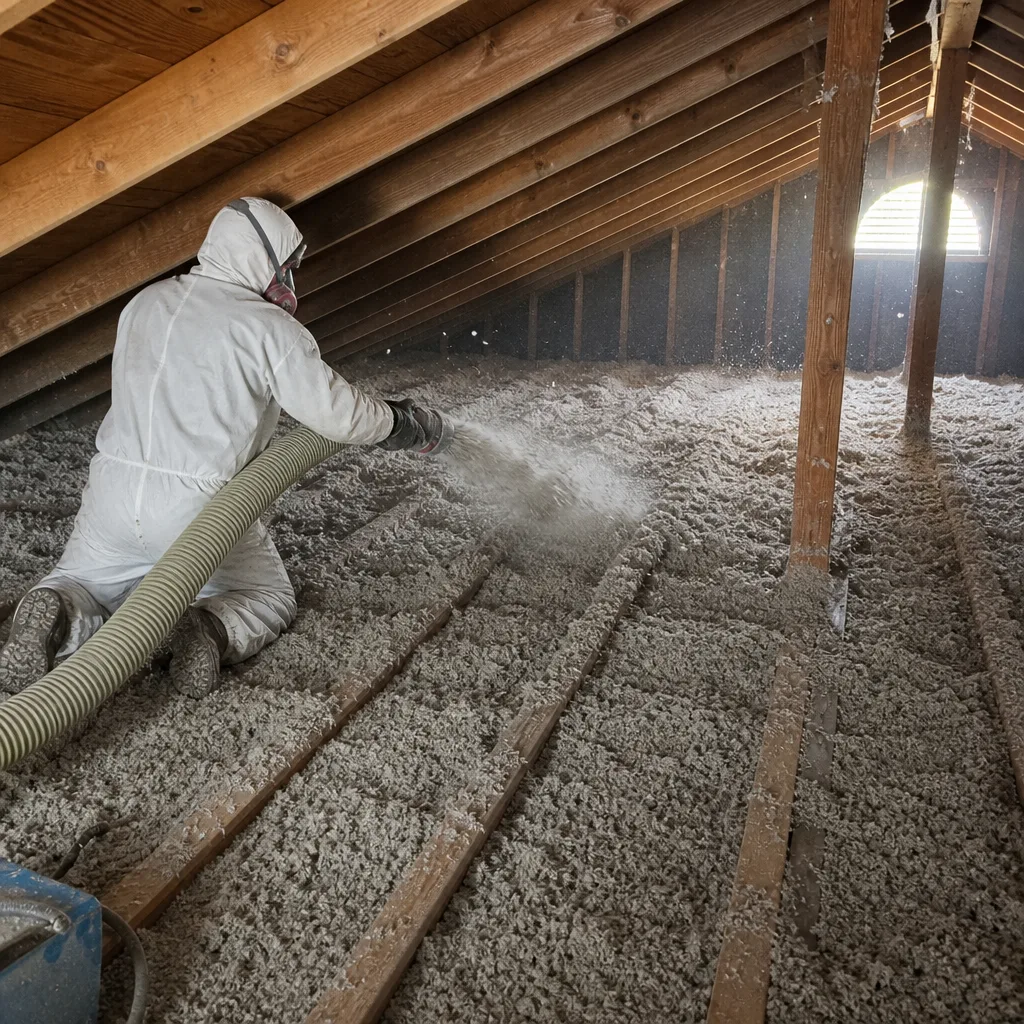
This deserves its own section because it’s the decision that separates a top-up that actually performs from one that just looks complete.
Blown insulation slows conductive heat transfer – the movement of heat through a material. It does almost nothing to stop air movement through gaps and penetrations in the attic floor. In a Milpitas home built before 1990, the attic floor is rarely airtight. Recessed light cans installed before IC-rated housings became standard are open cylinders directly into the living space. Top plates – the horizontal framing members at the top of interior walls – are often unsealed, creating a continuous air channel from inside the wall cavity straight into the attic. Plumbing and electrical penetrations frequently have gaps large enough to pass your hand through.
When conditioned air rises through those openings and escapes into the attic, the insulation above them does nothing to prevent it. You’ve added R-value on top of a leaking floor and paid for insulation that’s working at a fraction of its rated performance. The blower-door number tells the story. A top-up with no air sealing might move that number slightly; a top-up that starts with thorough air sealing can cut it in half.
That’s why Envelope Insulation Co. treats air sealing as a hard prerequisite – not an optional add-on – and why we publish the before-and-after numbers so you can verify what you actually paid for.
What Makes Milpitas Attics Different
Milpitas sits at the southern end of the Bay, which creates some attic conditions that aren’t identical to what you’d find in Sunnyvale or Los Gatos. The flatlands near Alviso and the BART corridor experience morning fog and higher relative humidity for a longer portion of the year than the hillside areas east of town. That moisture matters when you’re adding insulation, because cellulose performs differently in a consistently damp attic than in a dry one.
In the hillside areas east of Calaveras Boulevard, radiant heat from the afternoon sun hits the roof deck hard in summer, and attics can reach temperatures well above 140°F on July and August afternoons. Top-up insulation in those attics often benefits from a radiant barrier component – either an installed foil barrier or a reflective-faced product – to address the radiant load before the insulation handles the conductive load. We assess and document what we find, and if a radiant barrier makes sense, it’ll be in the written quote as a line item, not discovered at the point of installation.
The 9,000+ homes Envelope Insulation Co. has sealed and insulated since 2016 include a substantial number in the Santa Clara Valley, and that field experience shapes how we read an attic before quoting it. Wes Okafor has personally reviewed attic assessments across Milpitas, Fremont, and the surrounding cities, and the documentation approach under The Haven Standard started precisely because field conditions vary enough that a generic quote frequently misses something significant.
Key Takeaways
- A top-up adds insulation to bring your attic to R-38 or higher – California’s current code target for Milpitas’s climate zone.
- Air sealing at top plates, recessed lights, and penetrations is completed before any insulation goes in. This is non-negotiable at Topside Attic Insulation Milpitas.
- Before-and-after blower-door numbers are documented on every applicable job so you can see the actual air-sealing result, in CFM50, not just a description of it.
- Written flat price before work starts. Documented photo record when the crew leaves. 365-Day Done Right Promise covers all completed work.
- Most Milpitas top-up jobs run $900 to $2,400 depending on attic size and how much air sealing the floor requires.
- We offer a free second opinion on any written estimate from another contractor – no obligation, no sales pressure.
FAQs – Attic Insulation Top-Up in Milpitas
Can you just add insulation over what’s already there, or does the old insulation have to come out first?
In most cases, the existing insulation stays and new material is blown directly over it – that’s what makes a top-up more economical than a full replacement. The exception is when the existing material is wet, contaminated by rodent activity, or has been treated with a pesticide that off-gasses into the living space. We inspect before quoting. If the material needs to come out, we’ll tell you on the assessment visit and quote the removal separately. Blowing new insulation over damaged material is something we won’t do, because it traps the problem rather than fixing it. For more context on when removal makes sense, see our home page for the full range of services we provide.
How much does an attic insulation top-up cost in Milpitas?
Most Milpitas top-up jobs run between $900 and $2,400, depending on attic square footage, how low the existing insulation is, and how much air sealing work the attic floor needs before insulation is added. Air sealing typically adds $200 to $500 to the job cost but is required before any insulation goes in – not optional. You receive a written flat price before we start. Call (650) 770-8707 to schedule an assessment and get your written quote.
Do you install blown insulation in Milpitas homes on the same day as the assessment?
Same-day installation is possible on straightforward top-ups when the attic is accessible and the air sealing scope is clear from the assessment. We’ll tell you at the time of the quote whether your job qualifies. We won’t rush the air sealing phase to fit a same-day schedule – if the attic floor has significant penetrations, the sealing work takes the time it takes, and that’s reflected in the written scope before you agree to anything. For our full approach to attic insulation services, see Attic Insulation in Milpitas.
What R-value should my Milpitas attic be insulated to?
California’s Title 24 code targets R-38 as the minimum for climate zone 4, which covers Milpitas. Most energy auditors and building scientists currently recommend R-49 to R-60 for new installs and significant top-ups in the Santa Clara Valley, because the incremental cost of the extra depth is small relative to the total job cost, and the performance benefit in both summer cooling and winter heating is measurable. We’ll give you the blower-door numbers before and after to confirm the result, not just quote an R-value and leave. The target R-value is written into your scope before work starts, under Haven Standard Clause 1.
If your Milpitas attic is under-insulated – or if you’re not sure whether it is – a written price and a documented assessment is the right starting point. Call (650) 770-8707 to schedule. A live person answers. Wes Okafor and the team at Topside Attic Batt Insulation Milpitas will measure what’s there, run the blower-door baseline, and give you a flat written quote before any discussion of next steps. No work starts without a written price. That’s not a policy – it’s the foundation the whole operation runs on.
Written by Wes Okafor, Owner at Topside Attic Insulation Milpitas, serving Milpitas since 2016.